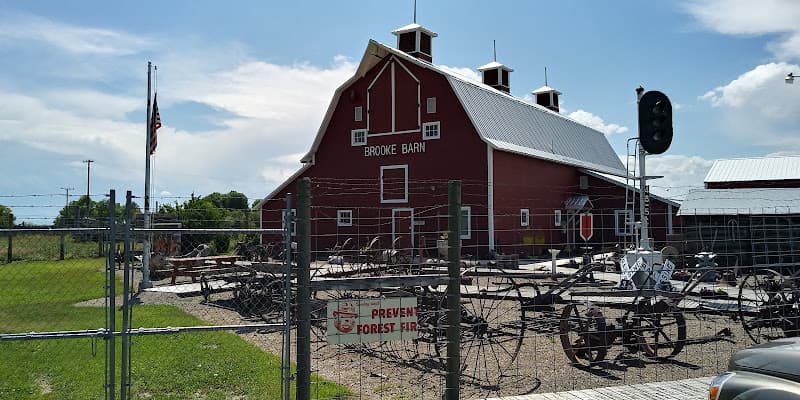
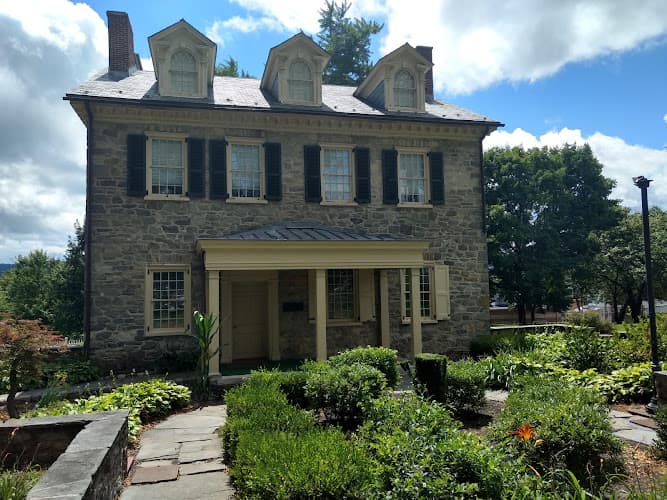
Jefferson Valley Museum Inc operates as a regional history museum in Whitehall, Montana, preserving and interpreting the cultural heritage of the Jefferson Valley and surrounding areas of southwestern Montana. Located at 303 South Division Street, the museum occupies a facility that houses an extensive collection of artifacts, photographs, and historical objects documenting life in this rural Montana region from the pioneer era through the twentieth century.
The museum serves as the primary repository for Jefferson Valley's material history, collecting items that range from everyday household objects to specialized equipment used in the area's agricultural, mining, and railroad industries. Unlike many small-town museums that display limited collections behind protective barriers, this institution allows visitors close access to many of its artifacts, creating an environment where historical objects can be examined in detail.
Collections and Exhibits
The museum maintains a diverse collection spanning multiple rooms, each organized around different aspects of regional history. The holdings include items from the early settlement period when pioneers first arrived in the Jefferson Valley, through the development of local industries and communities in the nineteenth and twentieth centuries.
A notable section of the museum focuses on railroad history, featuring photographs and memorabilia documenting the role of rail transportation in the development of southwestern Montana. This collection includes historical images of regional railroad infrastructure, including documentation of facilities in nearby Butte that have since been repurposed for other uses. The railroad exhibits provide context for understanding how transportation networks shaped settlement patterns and economic development throughout the Jefferson Valley.
The museum also maintains a blacksmith shop exhibit, preserving the tools and workspace associated with this essential frontier trade. Blacksmithing played a critical role in Montana's agricultural and mining communities, where the ability to forge and repair metal implements was fundamental to daily operations. The exhibit allows visitors to understand the physical environment and equipment used by these craftsmen.
Additional collection areas document domestic life, agriculture, mining, and community development in the region. The museum has assembled items that in many cases are rare or unique, representing aspects of local history that might otherwise be lost as older generations pass and historic buildings are demolished or repurposed.
Educational Programming
Jefferson Valley Museum offers guided tours as a core component of its visitor experience. The museum relies on volunteer docents who possess detailed knowledge of local history, often including personal connections to the region spanning multiple generations. These guides provide context and narrative that transforms the artifact collections into coherent stories about how people lived, worked, and built communities in the Jefferson Valley.
Tours are personalized rather than scripted, allowing guides to adjust their presentations based on visitor interests and questions. Some tours include demonstrations of how historical objects actually functioned, bringing mechanical devices like early adding machines, phonographs, and other equipment to life. This approach transforms static displays into dynamic educational experiences.
For younger visitors, the museum has developed a photo scavenger hunt program designed to engage children with the collections. Participants search through the exhibits to locate specific items, maintaining their interest throughout extended visits. The program includes rewards upon completion, making the museum experience appealing to families with children of various ages.
Facility and Accessibility
The museum facility includes wheelchair accessible features throughout, including an accessible entrance, restroom facilities, and parking area. These accommodations ensure that visitors with mobility limitations can navigate the museum and access its collections.
On-site amenities include restroom facilities and a gift shop where visitors can purchase items related to local history and the museum's mission. The museum does not operate a restaurant, though Whitehall's downtown area offers dining options within proximity.
The facility is designed to accommodate families, with the collections and programming structured to engage visitors across age groups. The interactive elements and scavenger hunt activities make the museum particularly suitable for children, while the depth of the collections and knowledgeable guides provide substantive content for adults interested in regional history.
Geographic and Historical Context
Whitehall sits in the Jefferson Valley of southwestern Montana, a region shaped by the intersection of mining, ranching, and railroad development. The town developed as a railroad stop along routes connecting the mining centers of Butte and other communities in the region. This transportation heritage, combined with the agricultural economy of the surrounding valley, created a distinctive local culture that the museum works to document and preserve.
The Jefferson Valley takes its name from the Jefferson River, one of the three headwater streams that converge to form the Missouri River at Three Forks, located northeast of Whitehall. The Lewis and Clark Expedition passed through this region in 1805, and subsequent waves of settlement brought miners, ranchers, and railroad workers who established the communities that exist today.
The museum's collections reflect this layered history, preserving evidence of how successive generations adapted to the opportunities and challenges of life in this high-elevation, semi-arid landscape. From pioneer-era tools to twentieth-century community artifacts, the holdings document the material culture of a region that has remained predominantly rural while maintaining connections to larger economic and transportation networks.
Visitor Information
Jefferson Valley Museum Inc operates from its location at 303 South Division Street in Whitehall, Montana. The museum can be contacted by telephone at +1 406-287-7813 for information about hours, admission, and special programs.
The museum's volunteer-driven model means that visitors often receive individualized attention, with guides available to spend extended time with those who have particular interest in specific aspects of local history. Visitors report that tours frequently extend well beyond initial expectations as guides share detailed knowledge about the collections and the stories behind individual artifacts.
For travelers passing through southwestern Montana on Interstate 90 or exploring the region's historic communities, the museum provides an opportunity to understand the human history of the Jefferson Valley beyond what is visible in the contemporary landscape. The collections preserve physical evidence of ways of life that have largely disappeared, while the volunteer guides maintain oral traditions and personal knowledge that connect present-day visitors to earlier generations.