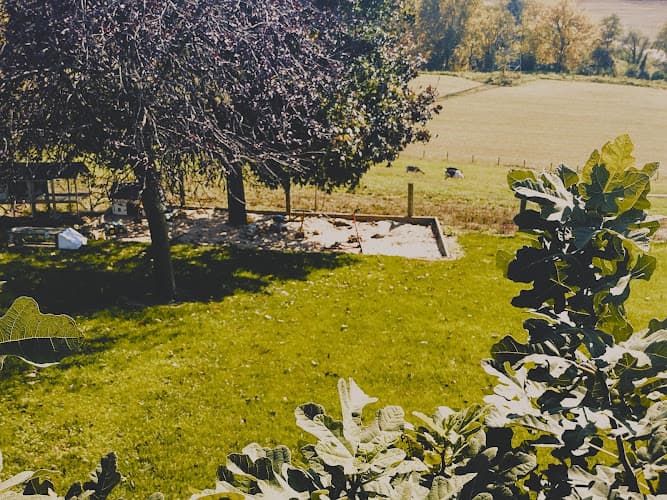
Joe Jurgielewicz & Son is a duck farming and processing operation located at 189 Cheese Lane in Hamburg, Pennsylvania. The business operates as a family-owned enterprise specializing in duck products, serving both retail consumers and commercial clients including restaurants and food service establishments. The farm represents one of the duck production facilities operating in the Berks County region of southeastern Pennsylvania.
Products and Offerings
The farm's primary focus is duck production, with a product line that extends across multiple categories of duck-derived foods. Whole ducks constitute a significant portion of their offerings, alongside individual cuts including duck breasts and duck legs. The operation also processes and sells duck hearts, catering to customers seeking organ meats for culinary applications.
Beyond whole birds and cuts, Joe Jurgielewicz & Son produces rendered duck fat, which has developed its own following among home cooks and professional chefs. Duck fat serves as a cooking medium prized for its flavor profile and higher smoke point compared to many other cooking fats. The product has found particular appeal among individuals with specific dietary requirements, including those managing alpha-gal syndrome who must avoid mammalian meat products but can safely consume poultry-derived fats.
The range of products suggests a nose-to-tail approach to duck processing, making use of various parts of the bird rather than focusing solely on premium cuts. This comprehensive utilization aligns with traditional farming practices and appeals to customers seeking variety in their duck preparations.
Distribution Channels
Joe Jurgielewicz & Son operates through multiple distribution channels to reach different customer segments. The farm maintains direct-to-consumer sales, allowing individual customers to purchase products for home use. This retail operation includes an online ordering system that ships products directly to customers across various regions.
The commercial side of the business supplies duck products to restaurant supply stores and food service operations. This wholesale distribution places their products in professional kitchens and retail outlets beyond their Hamburg location. The dual approach of serving both individual consumers and commercial accounts reflects the scale of the operation and its position within the broader duck supply chain.
For shipped orders, the farm utilizes cold chain logistics to maintain product integrity during transit. Products are packed in insulated containers with ice packs to preserve freshness during the shipping process, a standard practice for perishable meat products but one that requires careful attention to timing and packaging materials.
Location and Facilities
The farm operates from its Hamburg, Pennsylvania location in Berks County. Hamburg sits in the southeastern portion of the state, positioned within the agricultural corridor that characterizes much of rural Pennsylvania. The address on Cheese Lane places the operation in an area with agricultural heritage, as evidenced by the road name itself.
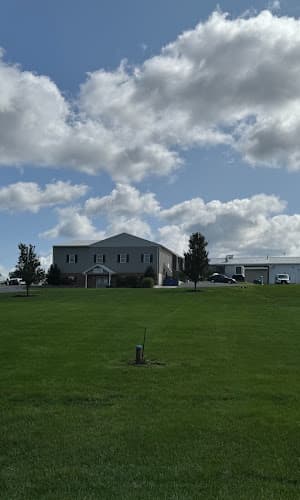
The facility includes infrastructure to accommodate commercial trucking operations, with space designed to allow large vehicles to maneuver within the property. This layout supports the wholesale distribution aspect of the business, enabling deliveries to and from the facility by commercial carriers. The property includes a wheelchair accessible parking lot, providing accommodation for visitors with mobility needs.
The processing facility handles the transformation of live ducks into the various retail and wholesale products the company sells. This vertical integration, from raising birds through processing and distribution, allows the operation to maintain oversight of the production chain from farm to customer.
Customer Base and Market Position
The farm serves a diverse customer base spanning home cooks, professional chefs, and food service operations. Individual consumers ordering for personal use represent one segment, often seeking duck products for special occasions, holiday meals, or regular culinary use. These customers typically access products through online ordering and direct shipping.
Professional kitchens and restaurants constitute another significant customer category. The availability of products through restaurant supply channels indicates the farm's integration into commercial food supply networks. Chefs and food service operators require consistent supply and specific product specifications, representing different demands than individual retail customers.
The farm has developed relationships with customers over extended periods, with some buyers maintaining purchasing relationships spanning multiple years. This repeat business suggests a customer base that has incorporated the farm's products into their regular cooking or menu planning.
Family Business Heritage
The business name itself indicates its family ownership structure, with "& Son" denoting multi-generational involvement in the operation. Family-owned agricultural businesses often maintain operational continuity across generations, with knowledge and practices passed down through family lines. This structure typically influences business culture, customer relationships, and operational decisions in ways that differ from corporate agricultural operations.
Staff members including individuals named Frank and Nick have been noted for their involvement in customer communications, handling inquiries and providing guidance on ordering and shipping logistics. The presence of identifiable, consistent staff members reflects the personalized service approach often associated with family-operated businesses.
Ordering and Customer Service
Customers can reach the farm by telephone at +1 610-562-3825 for inquiries, orders, and product information. Phone-based customer service allows potential buyers to discuss product selection, shipping logistics, and timing for their orders. This direct communication channel provides an opportunity for customers to receive guidance on product selection and preparation.
The online ordering process includes attention to presentation and customer experience, with some orders including additional items such as branded merchandise. These touches suggest an awareness of customer experience beyond the transactional aspects of selling meat products.
For customers planning large orders or first-time buyers unfamiliar with shipping perishable products, staff members provide consultation on timing, packaging expectations, and product handling upon arrival. This guidance helps customers understand what to expect and how to properly store products once received.
Duck Farming in Pennsylvania
Pennsylvania has a history of poultry production, with duck farming representing a specialized segment within the broader poultry industry. Duck production differs from chicken farming in several respects, including bird husbandry requirements, processing methods, and market dynamics. Duck remains a less common protein in American cuisine compared to chicken, positioning duck farms as specialty producers serving a more targeted market.
The culinary applications for duck products span multiple traditions and cooking styles. Duck breast preparation, duck confit, and rendered duck fat each have established places in both professional and home cooking. The availability of domestic duck producers like Joe Jurgielewicz & Son provides an alternative to imported duck products for customers seeking American-raised poultry.
Practical Information for Visitors and Customers
The Hamburg location serves as the operational base for the business, though customers should contact the farm directly to understand current visiting policies and retail availability on-site. Commercial drivers and delivery personnel should be prepared to locate shipping and receiving areas upon arrival at the facility.
For customers ordering shipped products, coordination with the farm regarding timing ensures products arrive when recipients are available to receive and properly store them. The perishable nature of meat products makes delivery timing an important consideration for maintaining product quality from farm to table.