Katydid Hill is a small herb farm and farm shop located at 559 Green Valley Road in Sinking Spring, Pennsylvania, in the rolling countryside of Berks County just west of Reading. The operation combines field-scale herb growing with on-site processing, turning plants raised on the property into dried teas, infused oils, salves, soaps, tonics and other botanical preparations. Products are sold directly at regional farmers markets and, at scheduled times, at the farm itself.
The business sits within the broader revival of small-scale American herb farming, a movement in which growers cultivate culinary and medicinal plants on a few acres and handle every step from seed to finished jar. Rather than sourcing bulk dried botanicals from distant suppliers, farms of this kind grow, harvest, dry and blend their own material, which allows them to control variety selection, harvest timing and drying conditions. Katydid Hill follows that model, and its product labeling and communication reflect an emphasis on plants grown on the hill itself.
What the Farm Produces
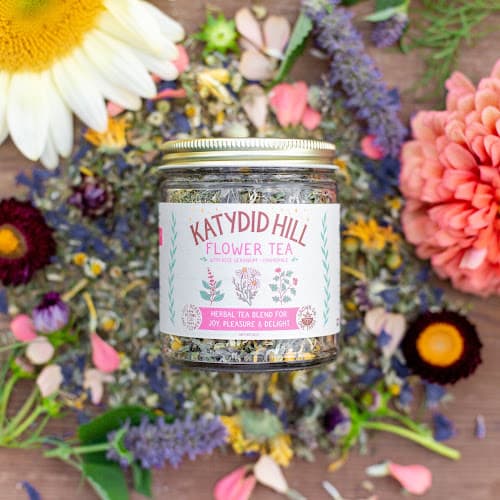
The core of the catalog is loose leaf herbal tea. Blends are built from plants common to a Mid-Atlantic herb garden, including mints, lemon balm, chamomile, calendula, tulsi, bee balm, nettle and a range of edible flowers. Meadow tea, a Pennsylvania regional tradition built on spearmint and peppermint and historically served cold through the summer, appears among the offerings, as do blends formulated around specific uses such as evening relaxation or everyday drinking. Teas are typically sold in bagged or jarred portions as whole leaf and whole flower material rather than cut and sifted dust, which is why brewed cups from this style of production tend to show distinct floral and aromatic character.
Beyond tea, the farm produces a line of body care and herbal preparations. These include soaps, among them a tallow-based bar, along with salves, balms and infused tonics. Calendula, a marigold relative long used in topical preparations, features prominently, and the farm offers it both as a finished salve and as a make-at-home kit that includes the dried flowers and instructions for infusing oil and setting a salve. Those kits reflect a teaching orientation that runs through the business, encouraging customers to learn the process rather than simply buy the result.
Seasonal availability shapes what is in stock. Flower-heavy blends depend on summer harvests, root preparations tend to follow autumn digging, and certain small-batch items sell out until the next growing season. Customers planning around a specific product are generally best served by contacting the farm before making a trip.
Visiting the Farm
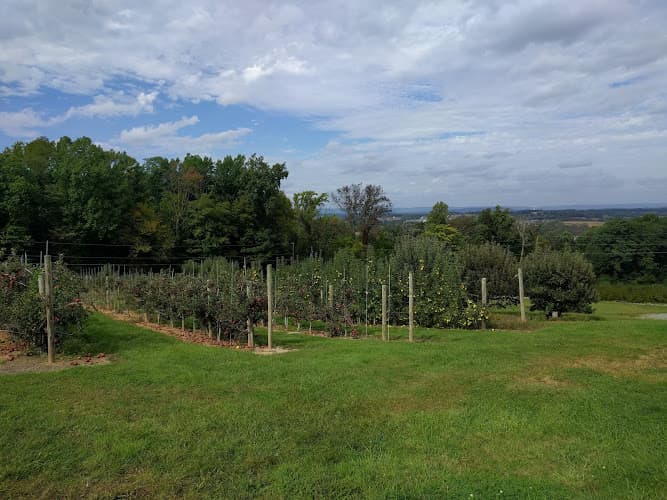
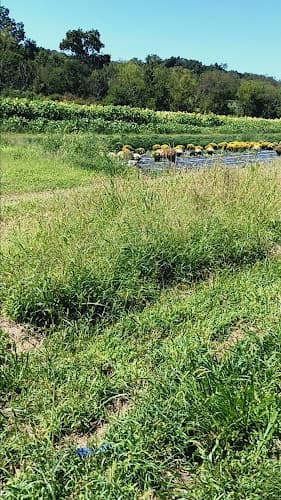
The property occupies a hillside site on Green Valley Road, a rural stretch of road in the Sinking Spring area roughly ten minutes from Wyomissing and the western suburbs of Reading. Pick-your-own flower and herb opportunities are offered during parts of the growing season, and the farm hosts tours that walk visitors through the growing fields and explain how plants move from row to drying rack to finished product. These visits are family friendly in character, with open ground, flowers in bloom and a working agricultural setting that children generally find engaging.
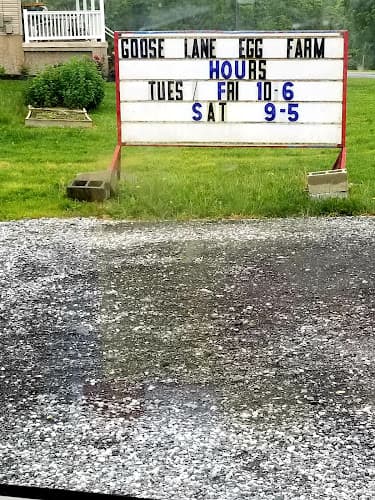
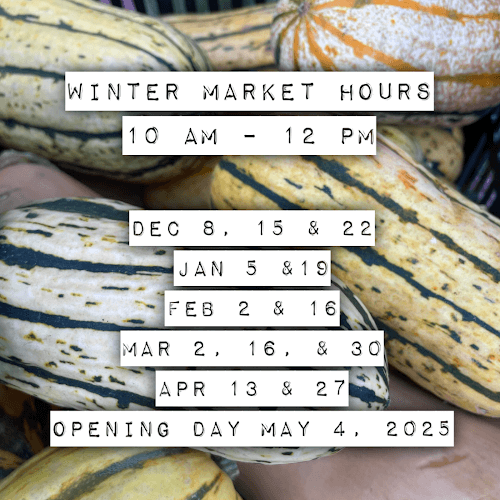
Because this is a working farm rather than a storefront with fixed daily retail hours, visit times are tied to posted events, market days, open farm days and seasonal pick-your-own windows. The site does offer a wheelchair accessible restroom. Visitors should keep in mind that farm terrain is uneven by nature, and footwear suited to grass, gravel and field paths is advisable.
Farmers Markets and Retail Reach
A substantial portion of the farm's sales take place at farmers markets, including markets in the Philadelphia area. Market tables give the growers direct contact with customers, which is a practical part of selling herbal products: buyers often arrive with questions about how to brew a blend, how to store dried herbs, how a salve is applied or what a given plant is traditionally used for. That direct-to-consumer channel also extends the farm's reach well beyond Berks County, introducing products to shoppers who may later order and ship anywhere in the country.
Growing Practices
Katydid Hill places weight on ecological growing methods, an area of particular importance for herbs because the plant material is consumed as tea or applied directly to skin rather than processed and diluted. Attention to soil health, pollinator habitat, hand harvesting and careful drying all affect the aromatic oils and color retention that distinguish well-made dried herbs from generic bulk material. Flowers such as calendula and chamomile, for instance, must be picked at the right stage and dried at low temperature to retain their pigment and resins, a labor-intensive process that is difficult to mechanize at small scale.
The farm is a small business run by hands-on owners who grow the plants, make the products and staff the market tables. That structure means customers typically interact with the people who actually produced what they are buying, and it supports the kind of specific, plant-by-plant knowledge that larger retail operations rarely provide.
Practical Information
- Address: 559 Green Valley Rd, Sinking Spring, PA 19608, United States
- Business type: farm shop and herb farm
- Accessibility: wheelchair accessible restroom on site
- On-farm activities: pick-your-own and farm tours during the growing season
- Off-site sales: regional farmers markets, including in the Philadelphia area
- Product categories: loose leaf herbal teas, soaps, salves, tonics, DIY herbal kits
Who the Farm Serves
The customer base spans local Berks County residents buying tea and soap for everyday use, market shoppers in the Philadelphia region, gift buyers looking for Pennsylvania-made goods, and people seeking herbal products with clear provenance. Families and groups interested in agricultural education make up a meaningful share of farm visitors, particularly during flower season. For anyone curious about where tea leaves and botanical body care actually come from, a hillside farm that grows, dries and blends its own material within a single property offers an unusually direct answer.