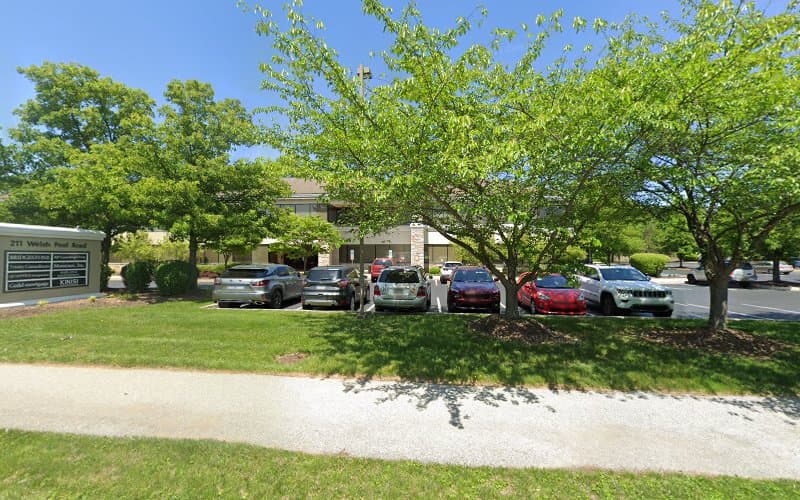
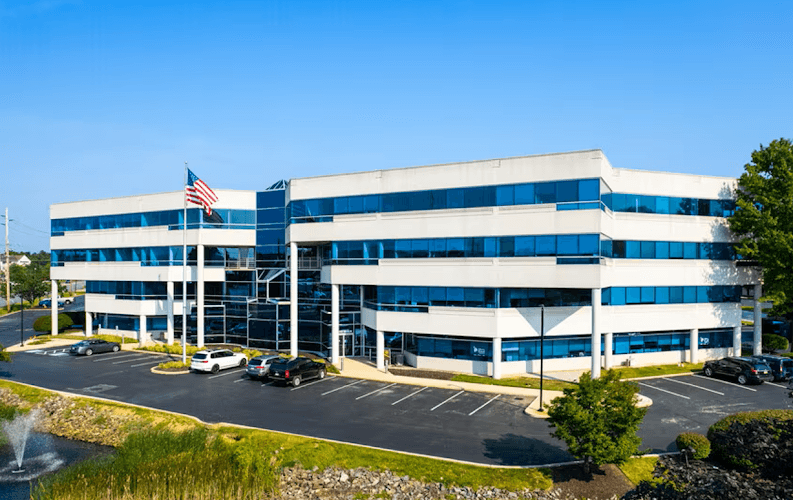
KCI Technologies Inc. operates an office at 211 Welsh Pool Road, Suite 240, in Exton, Pennsylvania, serving as one of the firm's locations in the greater Philadelphia region. The Exton office functions as a civil engineering practice within KCI's larger national organization, supporting infrastructure, land development, environmental, and construction-related projects for public agencies, municipalities, utilities, and private clients across southeastern Pennsylvania and neighboring states.
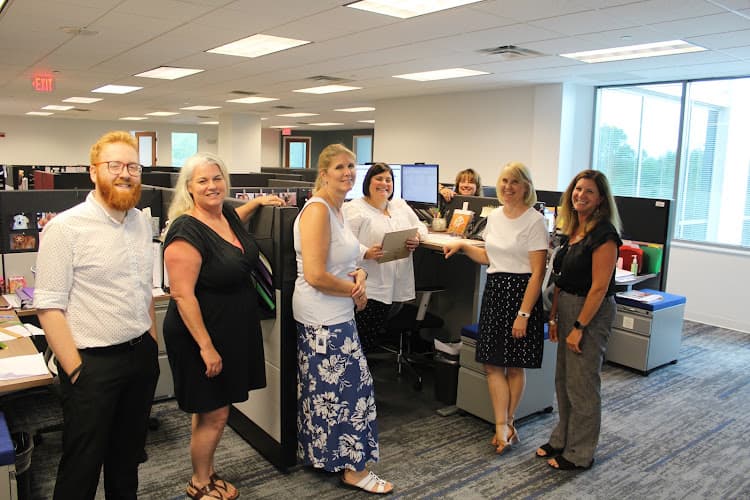
The company is an employee-owned engineering, consulting, and construction management firm with headquarters in Sparks, Maryland, and offices distributed throughout the eastern United States and beyond. KCI traces its origins to the mid-20th century and has grown through a combination of organic expansion and the acquisition of regional engineering practices, which is how many of its satellite offices, including those in Pennsylvania, came to be established. The firm has consistently appeared on industry rankings of the largest design firms in the United States, a reflection of its multidisciplinary staff and the breadth of markets it serves.
Services and Disciplines
KCI's work spans a wide range of engineering and technical disciplines, and offices such as the one in Exton typically draw on both local staff and specialists from elsewhere in the company's network. Practice areas commonly associated with the firm include:
- Transportation engineering, including highway and roadway design, intersection improvements, traffic engineering, and multimodal and pedestrian facilities
- Bridge and structural engineering, covering new structure design, rehabilitation, load rating, and inspection programs
- Land development and site civil engineering for residential, commercial, institutional, and industrial projects
- Water and wastewater engineering, including treatment facilities, conveyance systems, pump stations, and utility asset management
- Stormwater management, hydrology and hydraulics, floodplain analysis, and stream and wetland restoration
- Environmental services such as permitting, NEPA documentation, ecological studies, cultural resources, and natural resource assessments
- Geotechnical engineering, materials testing, and construction inspection
- Surveying, geospatial services, and geographic information systems (GIS) support
- Construction management and inspection services for public infrastructure programs
- Energy and telecommunications infrastructure, including utility coordination and distribution work
Because civil engineering projects often require several of these disciplines at once, the firm's model emphasizes integrated project teams. A municipal roadway reconstruction, for example, may involve roadway design, stormwater modeling, environmental permitting, utility relocation coordination, surveying, and construction phase services, all coordinated under a single contract.
Regional Context
Exton sits in West Whiteland Township, Chester County, at the junction of Route 100 and the Lincoln Highway corridor, an area that has seen sustained commercial and residential growth over the past several decades. The location places the office within reach of the Route 30 bypass, the Pennsylvania Turnpike, and the Amtrak Keystone Corridor, which is useful for staff traveling to project sites and client meetings throughout the Philadelphia suburbs, Lancaster County, the Lehigh Valley, and Delaware.
Chester County and the surrounding counties present a mix of engineering challenges that align closely with KCI's service lines: aging bridges and culverts, stormwater compliance obligations under MS4 permitting, Act 537 sewage facilities planning, stream corridors affected by development and erosion, and continued demand for site engineering tied to warehousing, healthcare, and mixed-use construction. Public sector clients in the region typically include state departments of transportation, county governments, townships and boroughs, authorities managing water and sewer systems, and school districts.
Working with Public Agencies
A substantial share of civil engineering work in Pennsylvania flows through open-end or on-call agreements with agencies such as the Pennsylvania Department of Transportation and the Pennsylvania Turnpike Commission. Firms qualified for this work must maintain prequalification in specific technical categories and demonstrate experience with agency design manuals, publication standards, and documentation requirements. KCI's long-standing presence in the Mid-Atlantic means its staff are generally familiar with these procedures, along with the environmental clearance and public involvement steps that accompany federally funded projects.
For municipalities, the firm's role can extend beyond design into the advisory work that smaller governments often need: reviewing land development applications on behalf of a township, preparing capital improvement plans, assisting with grant applications for infrastructure funding, and providing testimony or technical explanation at public meetings.
Employee Ownership
KCI is structured as an employee-owned company, with ownership distributed among staff rather than held by outside investors. In the engineering consulting sector, this arrangement is often cited as a factor in staff retention and in the continuity of project teams over the life of multi-year contracts. For clients, continuity matters practically: infrastructure projects frequently span several years from feasibility study through construction closeout, and having the same engineers involved throughout reduces the loss of institutional knowledge between phases.
Practical Information
The Exton office is located in a suite within a multi-tenant office building on Welsh Pool Road, a short distance from Route 100 and the Exton commercial district. Visitors should note the suite number, 240, when arriving. The site includes a wheelchair accessible entrance and wheelchair accessible parking, making the office reachable for visitors with mobility needs.
The office can be reached by telephone at +1 484-325-5480. As with most professional engineering practices, visits are generally arranged by appointment, since staff are frequently at project sites, agency offices, or public meetings. Prospective clients typically begin with a conversation about project scope, schedule, and budget, after which the firm can identify the relevant disciplines and prepare a proposal. Job seekers and subconsultants interested in teaming opportunities can find broader company information, including career listings and project descriptions, through KCI's corporate website.
What to Expect from an Engagement
Clients approaching a civil engineering firm for the first time may find it helpful to understand the general sequence of work. Most projects move through some version of the following stages:
- Initial consultation and scoping, where goals, constraints, and regulatory triggers are identified
- Data collection, including field survey, subsurface investigation, and review of existing records
- Conceptual or preliminary design, often with alternatives analysis and cost estimating
- Permitting and agency coordination with municipal, county, state, and sometimes federal reviewers
- Final design and preparation of construction documents and specifications
- Bidding assistance and contractor selection support
- Construction phase services, including inspection, shop drawing review, and as-built documentation
The length of each phase varies considerably depending on the complexity of the project and the number of regulatory approvals involved. Projects touching waterways, wetlands, historic resources, or state highway right-of-way generally require longer permitting timelines than straightforward site improvements.
Summary
The KCI Technologies office in Exton provides civil engineering and related consulting services to clients in Chester County and the wider Mid-Atlantic region, backed by the technical resources of a large, employee-owned national firm. Its combination of transportation, water resources, environmental, geotechnical, and land development capabilities allows it to take on both narrowly defined technical assignments and complex multi-year infrastructure programs.