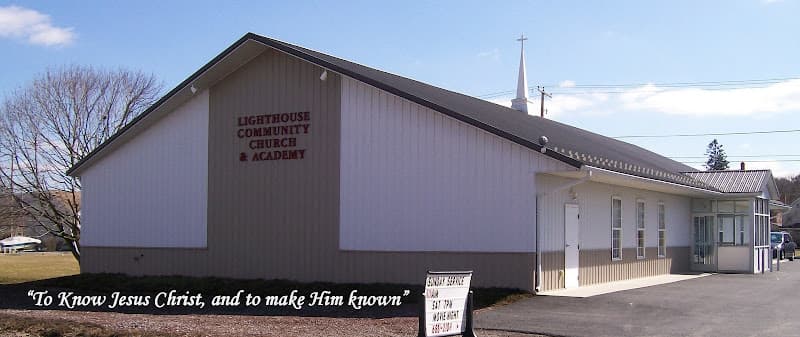
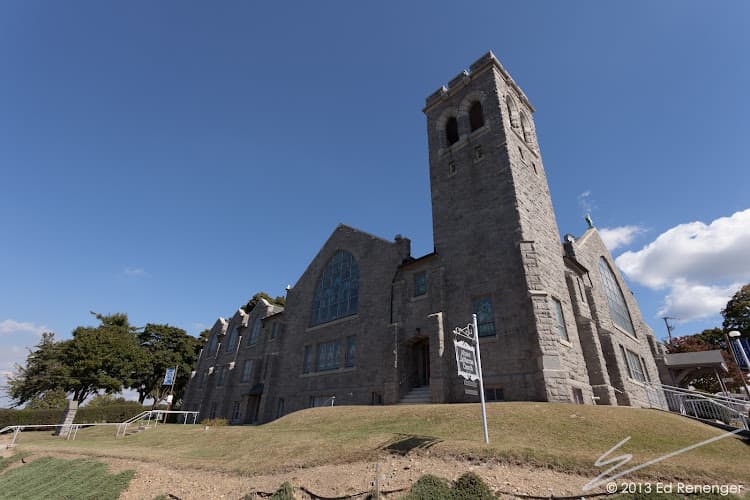
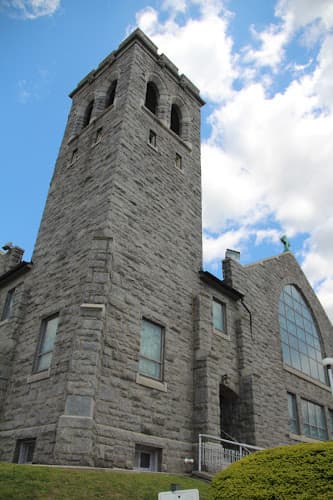
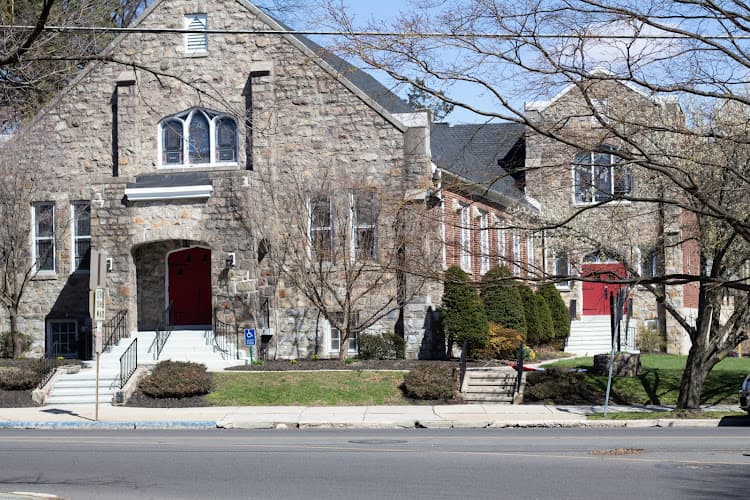
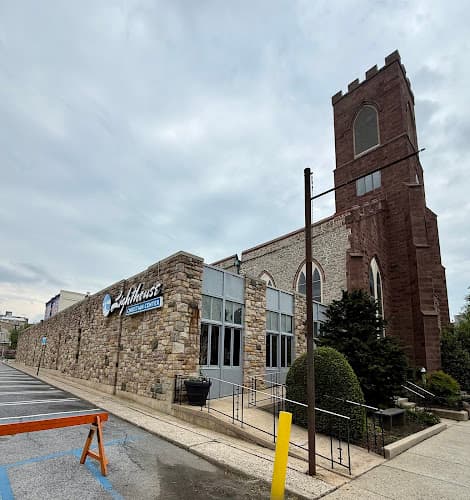
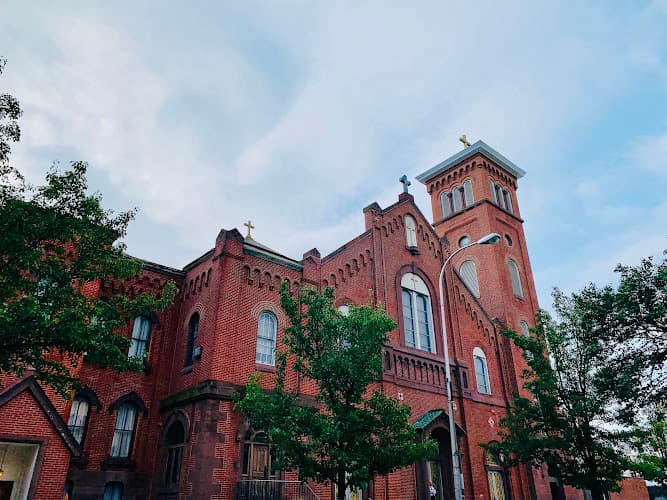
Lighthouse Christian Academy is a private Christian school located at 5 E Penn Street in Lyons, Pennsylvania, a small borough in eastern Berks County. The school operates as an educational ministry connected to the local church body at the same address and serves families throughout the surrounding Kutztown, Fleetwood, Topton, and Hamburg areas. It can be reached by phone at +1 610-682-2109, and additional information is published at lmchurchacademy.org.
Setting and Location
Lyons is a borough of fewer than 500 residents situated along the Sacony Creek in the northeastern portion of Berks County, roughly midway between Kutztown and Fleetwood along the Route 222 corridor. The community sits in a largely agricultural section of the Pennsylvania Dutch region, and the borough's compact street grid places the academy within a short walk of most of the town. East Penn Street runs through the center of the borough, making the school straightforward to locate for families arriving from outside the immediate area.
Because of its position in eastern Berks County, the academy draws students from a wider radius than the borough itself. Families traveling from Kutztown, Maxatawny Township, Richmond Township, Fleetwood, and Topton typically reach the school within ten to twenty minutes. The rural setting means the campus environment is quiet, with far less traffic and congestion than schools located along commercial corridors in Reading or the Allentown area.
Educational Approach
The academy is known among area families for an instructional model built around independent, self-paced learning rather than conventional whole-class lecture instruction. In programs of this kind, students work through individualized curriculum materials at desks or learning stations, advancing through units of study as they demonstrate mastery of the material. Rather than delivering the same lesson to an entire grade level at once, supervising teachers and monitors circulate through the learning area, providing one-on-one assistance as individual students request help or encounter difficulty.
This structure carries several practical implications for families considering the school. Students who grasp material quickly are generally able to move ahead without waiting for classmates, while students who need additional time with a concept can take it without falling behind a fixed class schedule. The approach also places meaningful responsibility on students for managing their own daily goals and pacing, a skill set that many parents specifically seek out when evaluating alternatives to traditional classroom instruction.
Because students in a self-paced program work at different levels, schools using this model often group children of multiple ages within the same learning space, with each student progressing through material appropriate to their own placement. Families interested in the specific grade span offered, placement testing procedures, and how progress is measured and reported should contact the school directly, as these details are best confirmed with administration for the current academic year.
Christian Foundation
As a Christian academy operating in association with a local church, the school integrates biblical instruction and a faith-based worldview across its academic program rather than treating religious education as a separate subject alone. Schools of this type typically include Bible coursework, regular chapel or devotional time, and character instruction alongside core academic subjects such as mathematics, language arts, science, and social studies.
The connection between the school and its sponsoring church congregation is common among smaller Christian academies in Pennsylvania, and it often shapes the character of the institution. Shared facilities, overlapping volunteer involvement, and a close relationship between school families and church members tend to produce a tight-knit community atmosphere. Families who are not members of the affiliated congregation are frequently welcome at schools operating under this model, though prospective parents should discuss enrollment requirements and any statement of faith expectations with the school office.
School Size and Community
Small private academies in rural Pennsylvania communities generally operate with modest enrollments, and this has direct consequences for the student experience. Lower student-to-staff ratios allow teachers and monitors to know each child individually and to track academic progress closely. Parents typically have direct access to administrators and instructional staff rather than navigating multiple administrative layers, and communication about a student's work tends to be frequent and informal.
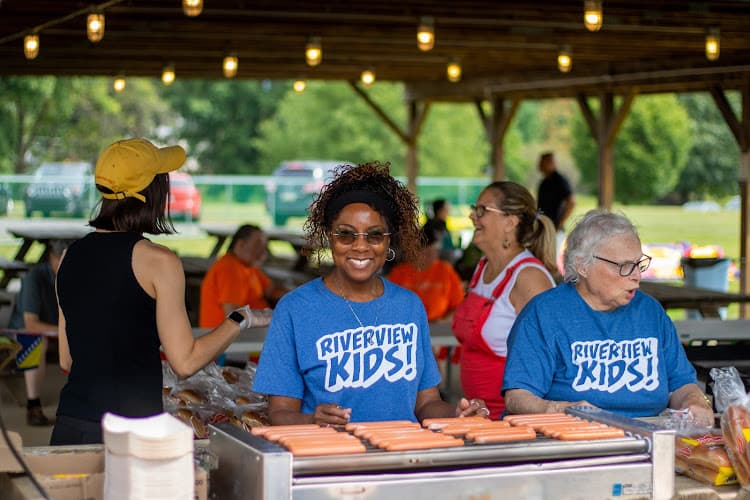
Smaller schools also tend to involve families more directly in the life of the institution. Volunteer participation, fundraising activities, and parent involvement in events are common features. Prospective families often find it useful to visit during a school day to observe the learning environment firsthand, as the atmosphere of a self-paced program differs noticeably from a conventional classroom and is easier to understand in person than in description.
Accessibility and Facilities
The facility offers a wheelchair accessible entrance and a wheelchair accessible parking lot, allowing visitors and family members with mobility needs to reach the building without difficulty. Parking is available on site, which is a practical consideration in a small borough where on-street space can be limited during arrival and dismissal periods.
Practical Information for Prospective Families
Families researching the academy may want to gather the following information before enrolling:
- Grade levels currently served and available openings for the coming academic year
- Tuition rates, payment schedules, and whether multi-child discounts or financial assistance are offered
- Enrollment procedures, including any placement or diagnostic testing used to set a student's starting point in the curriculum
- Daily schedule, including start and dismissal times, and any before or after school supervision
- Curriculum materials used and how academic progress is reported to parents
- Requirements regarding church membership, statements of faith, or pastoral references, if applicable
- Transportation arrangements, since students traveling from outside Lyons typically rely on family transportation or district busing where available
- Extracurricular activities, field trips, and community service opportunities
Pennsylvania families should also be aware that private and religious schools in the Commonwealth operate under different regulatory frameworks than public districts, and the school office can explain its licensing or accreditation status and how transcripts and credits transfer if a student later moves to another institution.
Contacting the School
Inquiries can be directed to the school by telephone at +1 610-682-2109 during regular school hours, or through the website at lmchurchacademy.org, which provides additional detail about the academy's programs and its relationship to the affiliated church. Visits and tours are generally arranged by appointment so that staff can accommodate prospective families without disrupting the school day.