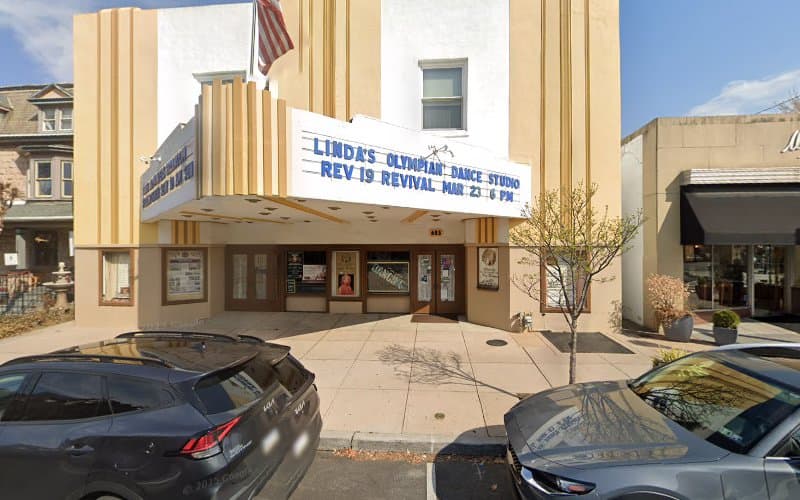
Linda's Olympian Dance Studio is a dance instruction business located at 603 Penn Avenue in West Reading, Pennsylvania. The studio occupies space along the borough's central commercial corridor, placing it within the walkable downtown district that serves West Reading, the city of Reading, Wyomissing and the surrounding communities of Berks County. As a named, owner-identified studio, it belongs to a long tradition of neighborhood dance schools in which instruction is organized around a founding teacher and a recurring annual calendar of classes, rehearsals and performances.
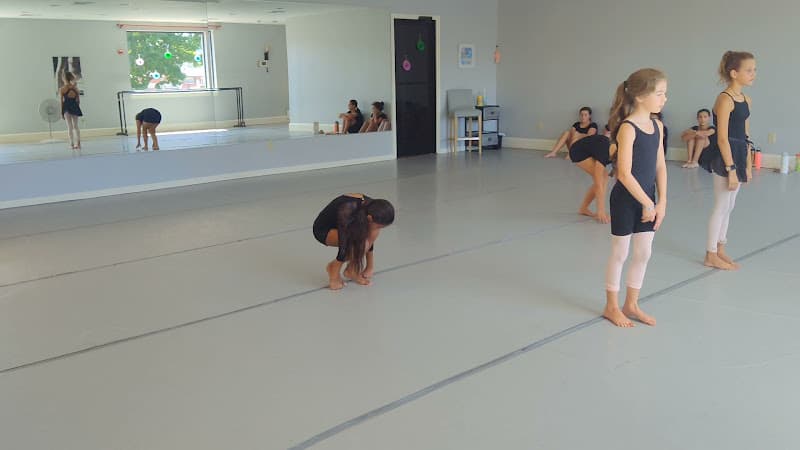
Community dance studios of this kind typically function as both training facilities and social institutions. Families often enroll children for a single season and remain connected for years, moving through progressively advanced levels as students mature. For many communities in eastern Pennsylvania, the local dance studio serves as the primary entry point into performing arts education, particularly for students too young for school-based arts programs.
Location and Service Area
Penn Avenue is the principal thoroughfare through West Reading, lined with independent retailers, restaurants, salons, professional offices and service businesses. The 600 block sits in the heart of this district, a short distance from the Penn Street Bridge connecting West Reading to downtown Reading across the Schuylkill River. The location offers practical advantages for a studio: metered and side-street parking in the immediate area, proximity to Route 422 and Route 222 for families traveling from outlying townships, and a business district where parents can run errands or wait nearby during a class.
The studio's realistic service area extends across much of Berks County. Families from West Reading, Wyomissing, Sinking Spring, Shillington, Mount Penn, Exeter Township, Muhlenberg Township and Reading itself can reach the Penn Avenue address within a reasonable drive. The borough's central position makes it convenient for households coordinating activities for multiple children or combining a dance class with other stops in the area.
Instruction and Disciplines
Dance studios serving a general community population commonly structure their curriculum around several core disciplines, each with its own technical vocabulary and progression. Prospective students should contact the studio directly to confirm the specific styles, levels and schedules currently offered, but the disciplines most frequently taught in studios of this type include:
- Ballet, the foundational technique that informs alignment, turnout, balance and vocabulary used across most other dance forms
- Tap, which emphasizes rhythm, musicality and percussive footwork
- Jazz, drawing on theatrical and popular dance traditions with an emphasis on isolation, style and performance energy
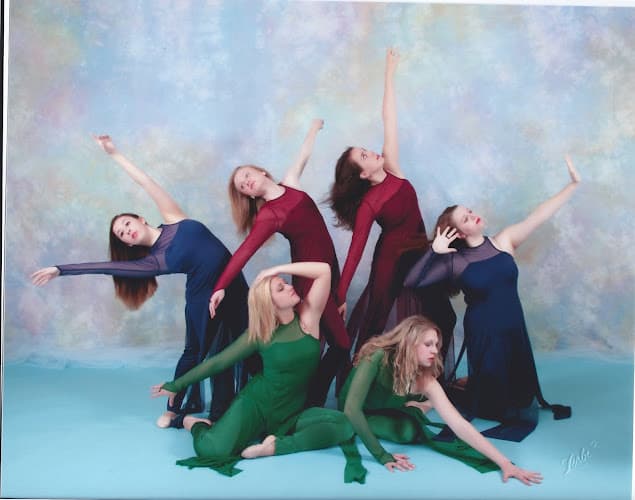
- Lyrical and contemporary, which blend ballet technique with expressive, interpretive movement
- Hip hop and street styles, often popular with older children and teens
- Creative movement and pre-ballet for preschool-aged students, focused on coordination, listening skills and musical awareness rather than formal technique
- Acro or tumbling, where studios have the equipment and trained instructors to teach it safely
Most studios place students by age and experience level, with beginners starting in introductory classes and advancing as technique develops. Combination classes that pair two styles, such as ballet and tap, in a single session are common for younger students because they offer variety within a shorter attention span and simplify scheduling for families.
Season Structure and Performances
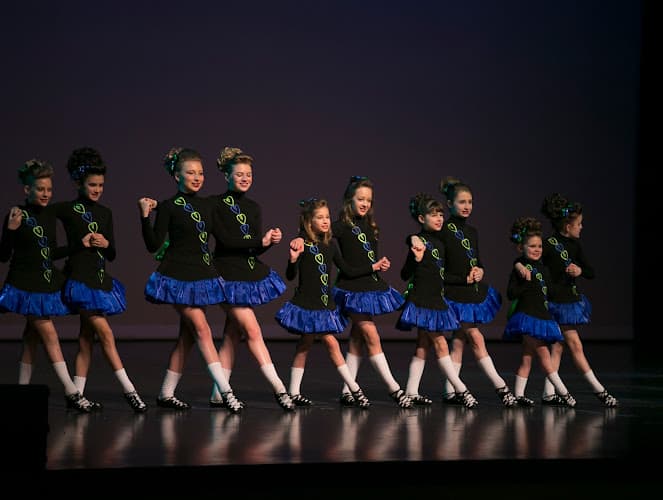
The typical dance studio year runs on a school-style calendar, beginning in late summer or early fall and concluding in late spring with a recital. Registration generally opens in the summer months, and classes meet weekly at a consistent day and time. The recital is the anchor of the year: students rehearse routines over the course of the season, costumes are ordered in advance, and the performance is usually staged at a rented auditorium or theater with ticketed admission for family and friends.
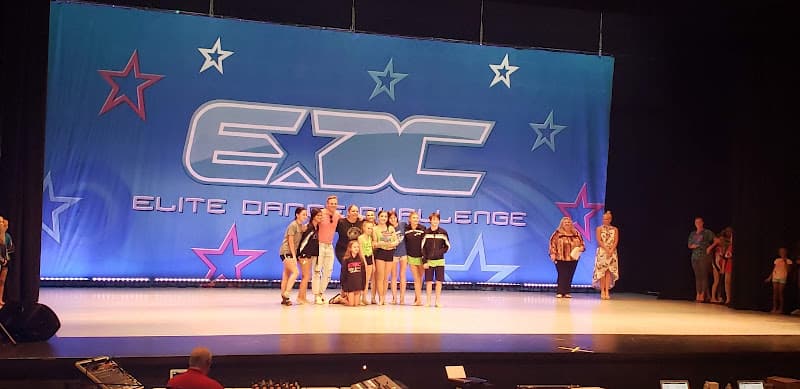
Many studios also offer additional performance opportunities beyond the annual recital, which may include appearances at community events, parades, seasonal showcases or competitive dance events. Competition programs, where offered, generally involve additional rehearsal commitments, travel and fees, and they are usually structured as an optional track separate from recreational classes. Families interested in either the recreational or competitive path should ask about the time commitment, cost structure and audition or placement requirements before enrolling.
What Families Should Know Before Enrolling
Because the studio does not list a public website or phone number in this directory entry, the most reliable approach is to visit the Penn Avenue location during operating hours or inquire through local community channels. When contacting any dance studio for the first time, useful questions include:
- Which classes are available for a child's specific age and experience level
- Whether trial classes or observation of a class is permitted before committing
- Tuition structure, including whether fees are billed monthly, by session or annually
- Costume and recital fees, which are typically separate from tuition
- Required attire and footwear for each discipline, and where those items can be purchased
- Attendance expectations, particularly in the weeks leading up to a recital
- Policies on makeup classes, withdrawals and inclement weather closures
Parents new to dance should also understand that progress in technique is gradual. Ballet in particular rewards sustained study over several years, and studios generally discourage rapid level advancement in favor of building a secure foundation. Studios that teach tap and jazz alongside ballet often find that students benefit from the cross-training, since each form develops different aspects of rhythm, coordination and performance presence.
Role in the Community
West Reading has cultivated an active small-business and arts identity along Penn Avenue, with regular street festivals, gallery spaces and locally owned shops drawing visitors from across Berks County. A dance studio fits naturally into that environment, contributing both foot traffic during class hours and participation in the broader cultural life of the borough. For students, an independently operated studio of this type offers the continuity of working with familiar instructors over multiple years, a factor that many families weigh heavily when choosing where to enroll their children.