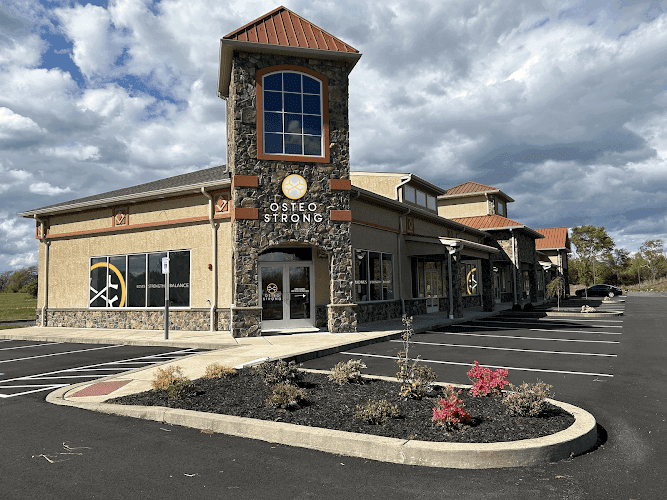
Manatawny Manor, also known as the Center for Rehabilitation and Nursing, is a skilled nursing and rehabilitation facility located at 30 Old Schuylkill Road in Pottstown, Pennsylvania. The community serves residents of northern Chester County, western Montgomery County and southern Berks County, drawing many of its short term rehabilitation patients from the hospitals and physician practices in the Pottstown and Phoenixville corridor. The facility can be reached by phone at +1 610-705-3700, and additional information is available on its website at manatawnymanorpa.com.
The name Manatawny comes from the Manatawny Creek, a tributary of the Schuylkill River that runs through the Pottstown area and lends its name to roads, parks and landmarks throughout the region. The facility itself sits just outside the Pottstown borough limits, in a more residential and semi rural setting off Old Schuylkill Road, which places it within a short drive of Pottstown Hospital, Route 100 and Route 422.
Levels of Care
Manatawny Manor operates across more than one level of care, which is one of the practical distinctions families notice when comparing options in the area. The center provides short term post acute rehabilitation for people recovering from surgery, illness, injury or a hospital stay, as well as long term skilled nursing care for residents who need ongoing clinical support with daily living. There is also a personal care and assisted living component on the campus, which allows some residents who improve during a rehabilitation stay to move to a less clinical setting without leaving the community or starting over with a new set of caregivers.
Typical reasons for a short term admission include recovery after joint replacement, orthopedic surgery, cardiac events, stroke, respiratory illness, wound care needs, deconditioning after an extended hospitalization, and rehabilitation following a fall. Long term residents generally require nursing oversight around the clock, assistance with mobility, medication management, and help with bathing, dressing and meals.
Rehabilitation and Therapy
Therapy is central to what the center does. The rehabilitation program covers physical therapy, occupational therapy and speech language pathology, with treatment plans built around specific functional goals rather than a one size fits all schedule. Physical therapy concentrates on strength, balance, gait training, transfers and endurance. Occupational therapy addresses the practical tasks that determine whether someone can live independently again, including dressing, bathing, kitchen safety, and the use of adaptive equipment. Speech therapy supports patients working through swallowing difficulties, communication changes and cognitive issues that often follow a stroke or a prolonged illness.
The therapy team typically works with short term patients several days a week, coordinating with nursing staff and the attending physician so that progress is tracked and the discharge target is realistic. Families are generally invited into the process, since a safe return home often depends on someone at home understanding what the patient can and cannot do without help.
The Bridge to Home Program
One of the more distinctive offerings at Manatawny Manor is the Bridge to Home program, a transitional arrangement that lets a person practice more independent living in a supervised setting before actually going home. The idea is to close the gap between the highly supported environment of a nursing floor and the reality of a house or apartment where help is not immediately available. Participants can rehearse the daily routines that matter most, from managing medications to moving around a living space, with staff nearby if something goes wrong.
The same program also functions as a respite option. Family caregivers who need a break, who are traveling, or who are managing work obligations can arrange residential care for a limited period, commonly up to about 30 days. Respite stays of this kind are frequently used by adult children caring for a parent at home, and they give the caregiver time to recover while the older adult remains in a setting with meals, activities and nursing oversight. Availability, length of stay and cost should be confirmed directly with the admissions office, since these arrangements depend on current occupancy.
Clinical and Support Services
- Twenty four hour skilled nursing care
- Physical, occupational and speech therapy
- Post surgical and post hospital recovery care
- Wound care and pain management
- Medication administration and management
- Long term residential nursing care
- Personal care and assisted living on campus
- Respite and short term residential stays
- Social work services and discharge planning
- Dietary services with therapeutic diets as ordered
- Recreational and social activity programming
Social Work, Admissions and Discharge Planning
The social services and admissions staff handle a significant share of the administrative work that surrounds a nursing home stay. That includes coordinating with hospital case managers at the time of admission, explaining insurance coverage, and helping families understand how Medicare, Medicaid and supplemental plans apply to a skilled stay. Veterans and their spouses may be eligible for benefits administered through the Department of Veterans Affairs, and staff at the center have experience helping families pursue those benefits, including connections with the Lebanon VA Medical Center.
Discharge planning begins early rather than at the last minute. This generally involves arranging home health services, durable medical equipment such as walkers, wheelchairs, shower chairs or hospital beds, follow up appointments, and any home modifications that the therapy team recommends after evaluating the patient's living situation.
Daily Life and Activities
Activity programming runs on a published monthly calendar and is designed to give residents reasons to leave their rooms and interact with one another. Programs at communities of this type commonly include exercise and movement groups, music, games and trivia, crafts, religious services, holiday events, outings and visits from community groups and entertainers. For long term residents in particular, this social dimension is a meaningful part of the experience, and friendships formed among residents often matter as much to quality of life as the clinical care itself.
Visiting and Accessibility
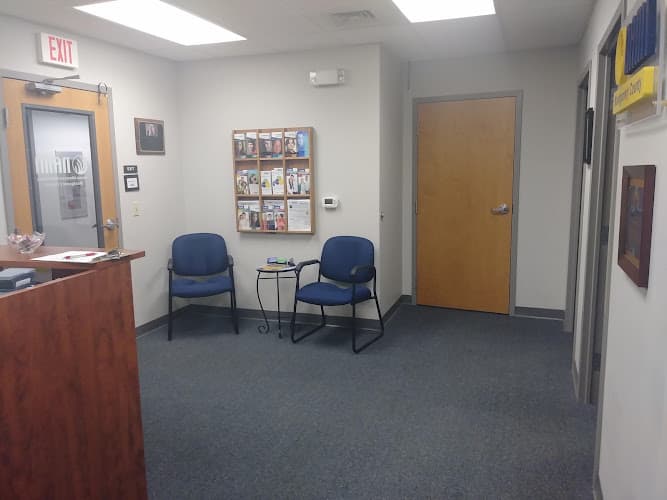
The building offers a wheelchair accessible entrance and a wheelchair accessible parking lot, so visitors who use mobility devices can enter without needing assistance. Visitors check in at the reception area on arrival, and sign in procedures are straightforward. Because visiting hours, health screening requirements and infection control policies in skilled nursing settings can change in response to public health guidance, it is worth calling ahead before a first visit.
Planning an Admission
Families considering Manatawny Manor should contact the admissions office to discuss bed availability, insurance verification and the documentation needed for an admission. Prospective residents and their families are generally able to tour the community, meet department staff and ask about staffing, therapy schedules, meals and activities. For planned procedures such as an elective joint replacement, arranging a rehabilitation bed in advance of surgery can simplify the transition out of the hospital.