Max Mid-Atlantic Exporters Ltd, which operates under the name KMX International, is a transportation and logistics company based in Hamburg, Pennsylvania. The business is listed as a transportation service and works primarily in the movement of freight, with particular attention to industrial cargo and shipments that fall outside standard trailer dimensions. Its combined name reflects two sides of the same operation: an export oriented freight business and an international logistics brand that handles domestic and cross border movements for manufacturers, fabricators, equipment dealers and contractors.
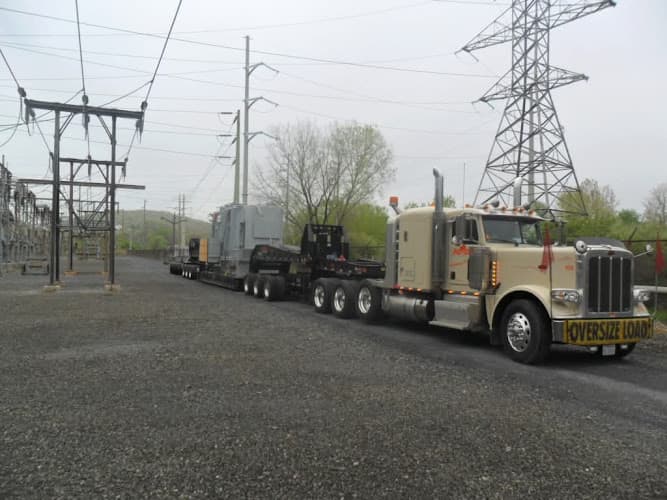
Companies that build or rebuild large machinery often face a practical problem once the work is finished. The equipment is complete, but it will not fit on a standard flatbed, cannot be handled by a typical dock crew, and may require permits, escorts or specialized packaging before it can travel. Operators such as KMX International exist to solve that part of the process, coordinating the equipment, paperwork and routing needed to get a heavy or awkward load from a plant floor to a destination that may be a few counties away or on another continent.
Location and Facility
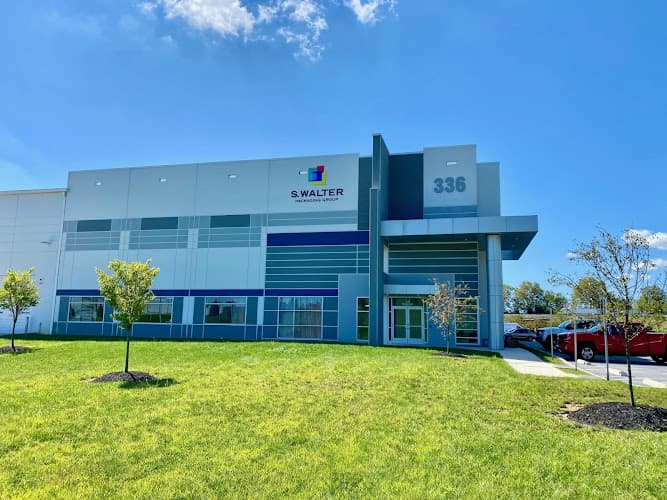
The company is located at 250 Grand St in Hamburg, Pennsylvania, 19526. Hamburg sits in northern Berks County along the Schuylkill River, at a point in the state where several major freight corridors converge. Interstate 78 passes just south of the borough and provides a direct route east toward the Lehigh Valley, New Jersey and the Port of New York and New Jersey, and west toward Harrisburg and the interstate network beyond. U.S. Route 22 and Pennsylvania Route 61 also serve the area, with Route 61 running north toward Pottsville and south toward Reading.
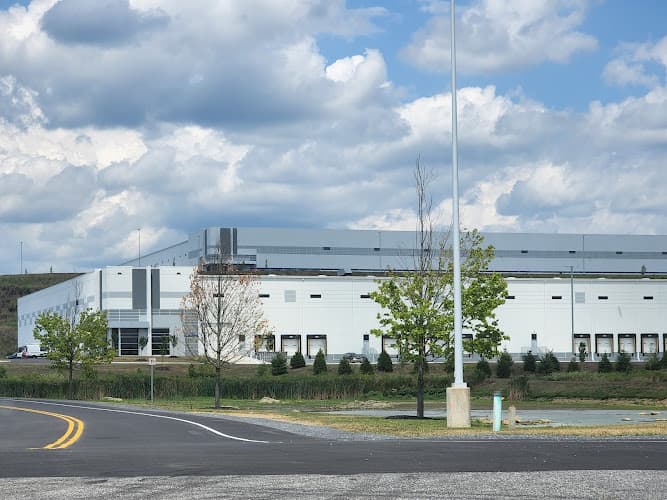
That geography matters for a freight operation. Berks County and the surrounding region form one of the larger warehousing and distribution clusters in the eastern United States, and Hamburg places the company within reasonable driving distance of manufacturing centers in Reading, Allentown, Bethlehem, Lancaster and Harrisburg, as well as the metropolitan markets of Philadelphia, Baltimore and New York. For export freight in particular, proximity to East Coast ocean terminals and to air cargo gateways such as Lehigh Valley International and Philadelphia International shortens the drayage leg and reduces the cost of moving containerized or crated goods to the water.
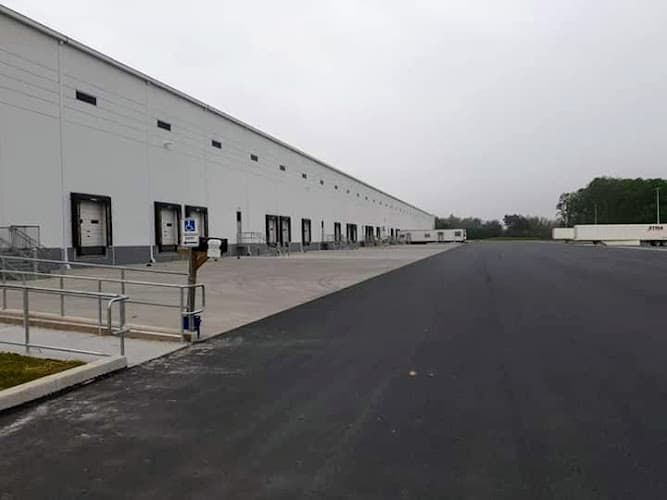
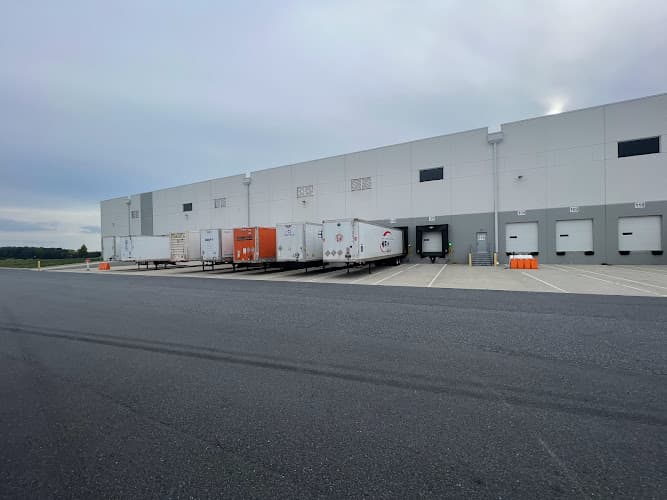
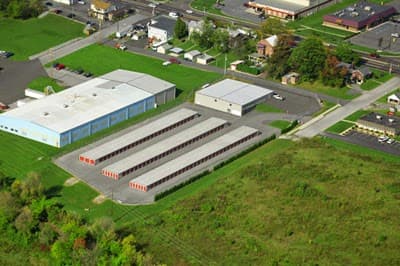
The Hamburg site functions as a working freight facility rather than a storefront. Drivers arriving for pickup or delivery encounter a yard and dock arrangement built around the realities of industrial cargo, including the lifting and handling equipment needed to move heavy pieces on and off trailers without improvisation. Site layout and maneuvering room are practical considerations for tractor trailer operators, and the property is set up with that traffic in mind.
Services
Based on the nature of the operation and the kinds of shipments customers describe, the company's work centers on the following areas:
- Transportation of oversized, overweight and over dimensional freight, including process equipment, tanks, vessels, machinery and fabricated structures
- Flatbed, step deck and specialized trailer service for cargo that cannot ship in a dry van
- Long haul moves between Pennsylvania and other states, including destinations in the Midwest and across the eastern half of the country
- Export logistics for goods moving to overseas buyers, including coordination with ocean carriers and freight forwarders
- Loading, unloading and handling at the Hamburg facility using on site lifting equipment
- Route planning, permitting support and coordination of the details that heavy haul moves require
Export work introduces requirements that domestic freight does not. Machinery bound for an overseas destination generally needs export grade crating or skidding, moisture protection, treated wood that complies with international phytosanitary standards, and documentation that satisfies both the ocean carrier and the customs authority at the receiving end. Weight and dimension figures have to be accurate because they determine how the piece is lifted, how it is secured and, in many cases, whether it can travel at all on a given route. A company that carries the word exporters in its legal name is organized around those requirements.
Working With Drivers and Carriers
A significant share of the people who interact with the Hamburg facility are drivers arriving on behalf of a shipper or consignee rather than the shipper itself. For those visitors, the relevant questions are simple: can the truck get in and out, is there someone available to handle the load, and is the right equipment on hand. The facility is organized to answer those questions without long delays, and dock personnel handle both inbound and outbound freight.
Drivers hauling oversized loads should confirm dimensions, weight and securement requirements before arrival, since permitted loads often carry restrictions on travel hours, routes and escort vehicles. Calling ahead is advisable for any shipment that requires cranes, forklifts of unusual capacity or extended loading time.
Accessibility
The business reports a wheelchair accessible entrance and a wheelchair accessible parking lot, which makes the office portion of the site usable for visitors with mobility needs. As with any active freight yard, visitors who are not there to load or unload should check in at the office rather than moving through areas where equipment is operating.
Practical Information
The company can be reached by telephone at +1 610-562-0800. For anyone planning a shipment, the initial conversation typically covers the same ground regardless of the cargo:
- The overall length, width, height and weight of the piece, measured rather than estimated
- Origin and destination addresses, including any access limitations at either end
- Whether the shipper and receiver can load and unload, or whether equipment must be supplied
- Timing, including delivery deadlines and any plant shutdown windows the move has to fit
- For export freight, the ultimate destination country, the incoterms agreed with the buyer and any documentation the buyer requires
Lead time is worth planning for. Permits for over dimensional loads are issued by each state a shipment passes through, and escort requirements, bridge restrictions and curfews can shape both the route and the schedule. Shippers who bring the carrier into the conversation early usually see fewer surprises than those who call once the equipment is already crated and sitting on the floor.
Service Area
From its base in Hamburg, the company serves Berks County and the broader Mid-Atlantic region, including eastern and central Pennsylvania, New Jersey, Delaware, Maryland and New York. Long haul moves extend well beyond that footprint, and export shipments reach international destinations through East Coast ports and air gateways.