Metro m
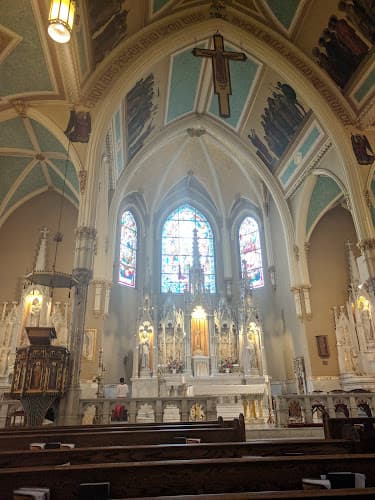
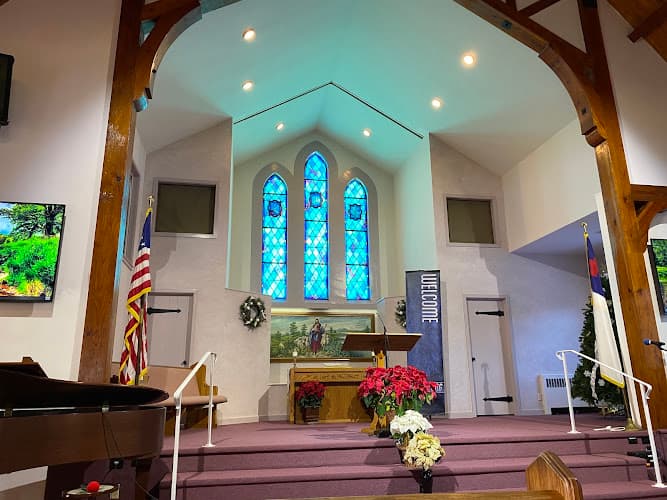
Metro m in Reading, PA, is a welcoming place of worship offering spiritual guidance and community fellowship.
About Metro m
Overview
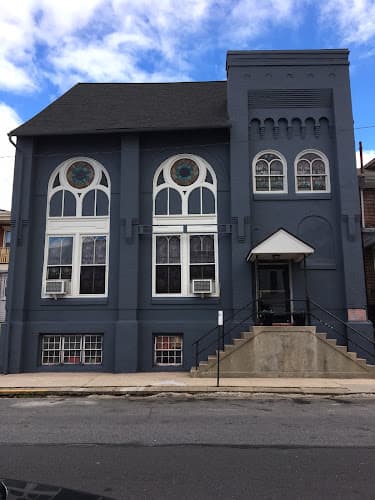
Metro m is a place of worship located on French Street in Reading, Pennsylvania. Situated in the 19601 zip code, this religious establishment serves the spiritual needs of congregants in the Reading metropolitan area. The presence of a worship center in this section of Reading contributes to the diverse religious landscape that characterizes this historically significant Pennsylvania city.
Location and Setting
The facility is positioned on French Street, one of the notable thoroughfares in Reading's urban core. Reading itself is the county seat of Berks County and represents one of the larger cities in southeastern Pennsylvania. The 19601 zip code encompasses portions of central Reading, an area that has historically been home to a variety of religious institutions serving different faith communities and denominations.
French Street runs through a section of Reading that features a mix of residential and commercial properties, typical of many northeastern American urban centers. The street's accessibility from various parts of the city makes it a practical location for a place of worship that may draw attendees from different neighborhoods throughout the Reading area.
Reading's Religious Heritage
Reading has a long history of religious diversity dating back to its founding in 1748. The city was established by Thomas Penn and Richard Penn, sons of William Penn, whose founding of Pennsylvania was itself rooted in principles of religious tolerance. This heritage of spiritual openness has continued throughout Reading's development, with numerous churches, synagogues, mosques, and other religious institutions establishing themselves throughout the city over the centuries.
During the industrial era, when Reading became a major manufacturing and railroad center, waves of immigration brought people of various faiths to the city. This influx contributed to the establishment of numerous places of worship representing Catholic, Protestant, Jewish, and other religious traditions. The religious institutions of Reading have historically played important roles not only in the spiritual lives of residents but also in community organization, social services, and cultural preservation.
The Role of Places of Worship in Urban Communities
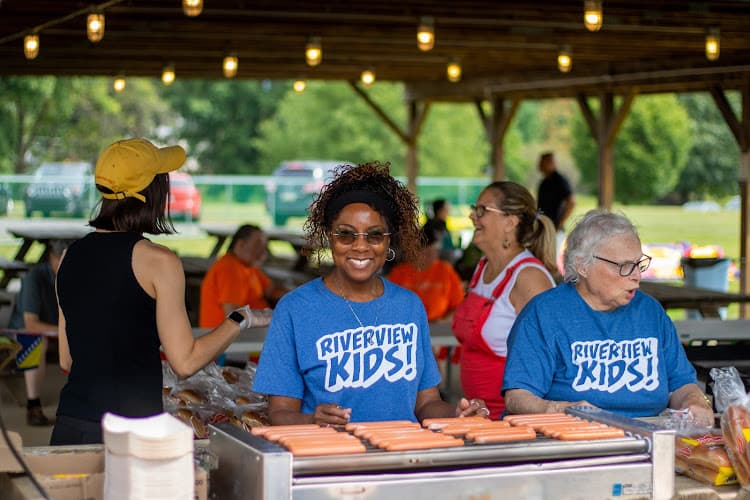
Religious institutions in urban settings like Reading typically serve multiple functions beyond their primary spiritual purpose. They often act as community gathering spaces, providing venues for meetings, celebrations, and social events. Many places of worship also engage in charitable activities, offering food assistance, clothing drives, counseling services, and support programs for community members in need.
In neighborhoods experiencing economic challenges or demographic transitions, places of worship frequently serve as anchoring institutions that provide stability and continuity. They may offer programs for youth, seniors, and families that address needs not fully met by other community resources. The presence of active religious institutions can contribute to neighborhood cohesion and provide networks of mutual support among residents.
Worship Practices and Community Engagement
Places of worship vary significantly in their practices, schedules, and approaches to community engagement. Some maintain traditional worship schedules centered on specific days of the week according to their religious tradition, while others offer multiple service times to accommodate the varying schedules of modern congregants. Many religious institutions have adapted their practices over time to remain relevant to changing community needs and demographics.
Contemporary places of worship often incorporate various ministries and programs alongside their regular worship services. These may include religious education classes for children and adults, study groups focused on sacred texts, music programs and choirs, youth groups, senior ministries, and outreach programs designed to serve the broader community. The specific offerings at any given institution depend on its size, resources, denominational affiliation, and the priorities of its leadership and congregation.
The Reading Community Context
Reading has experienced significant demographic and economic changes over recent decades. Once a prosperous industrial city known for railroad operations and manufacturing, Reading has faced challenges common to many post-industrial American cities, including population decline, economic restructuring, and urban renewal efforts. Throughout these transitions, religious institutions have remained important fixtures in the community fabric.
The city's population includes a diverse mix of longtime residents and newer arrivals, with a significant Latino community that has grown substantially in recent decades. This demographic diversity is reflected in Reading's religious landscape, which includes institutions serving various ethnic and linguistic communities. Places of worship in Reading may conduct services in multiple languages or focus on serving specific cultural communities while remaining open to all.
Visiting a Place of Worship
Individuals interested in visiting a place of worship for the first time may find it helpful to understand general expectations. Most religious institutions welcome visitors and newcomers, though practices regarding participation in various aspects of worship may vary. Some traditions have specific customs regarding dress, behavior during services, or participation in rituals that visitors may wish to understand in advance.
Many places of worship designate specific times for welcoming new visitors or provide informational resources for those unfamiliar with their practices. Contacting the institution in advance or arriving a few minutes early to speak with greeters or staff members can help visitors feel more comfortable and understand what to expect during their visit.
Transportation and Accessibility
French Street in Reading is accessible via the city's road network and public transportation options. The Berks Area Regional Transportation Authority operates bus service throughout Reading, providing public transit options for those without personal vehicles. Street parking is typically available in this area of the city, though availability may vary depending on the time and day.
Reading's location in southeastern Pennsylvania places it within reasonable driving distance of other major population centers, including Philadelphia, Allentown, and Lancaster. This regional accessibility means that places of worship in Reading may draw attendees not only from the immediate city but also from surrounding communities in Berks County and beyond.
Community Resources
Places of worship often serve as valuable community resources beyond their religious functions. They may host community meetings, provide space for support groups, offer facilities for community events, or partner with local organizations on various initiatives. For residents seeking spiritual community, social connection, or assistance during difficult times, local religious institutions can provide important points of contact and support.
Contact Information for Metro m
Customer Reviews
No reviews yet.
Working Hours / Hours of Operation
Location Map
Similar Places of Worship Near Reading, PA
BerksConnect: everything local in Berks County, PA.
8,700+ local businesses with AI-summarized reviews, plus local guides, jobs, and what's happening around the county.