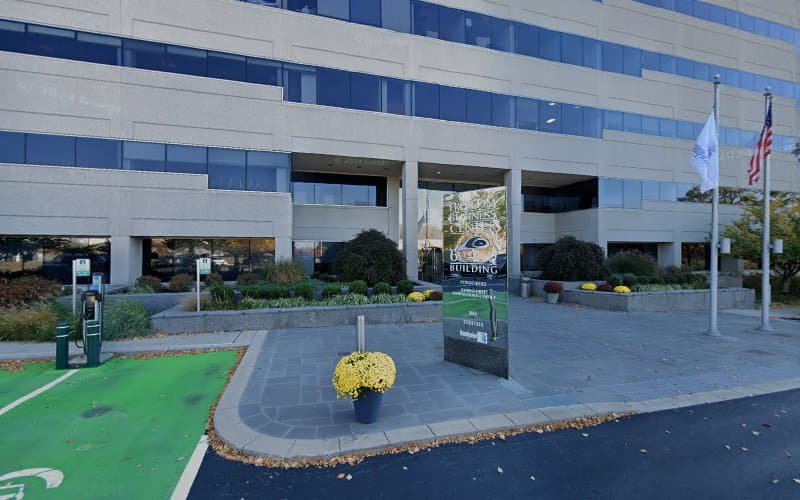
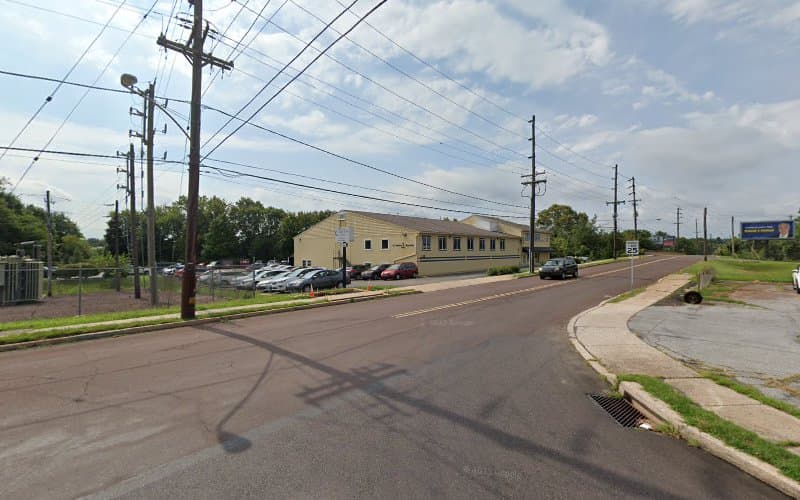
The Montgomery County SPCA operates an animal shelter and public veterinary clinic at 19 E Ridge Pike in Conshohocken, Pennsylvania, just off the Ridge Pike corridor near the Schuylkill River and within easy reach of Plymouth Meeting, Norristown, Bridgeport, Lafayette Hill and the surrounding townships. The organization functions as a nonprofit animal welfare society, which means its work extends well beyond housing homeless pets: it handles adoptions, accepts owner surrenders and stray animals, provides low-cost veterinary and surgical services to the public, scans and registers microchips, and serves as a point of contact for residents searching for lost animals.
For many people in the western and central parts of Montgomery County, the Conshohocken shelter is the first place they call when an animal situation arises, whether that is a stray cat in a backyard, a dog found wandering along a busy road, a family pet that needs spaying or neutering at a manageable cost, or a household circumstance that makes rehoming a pet unavoidable.
Adoption Services
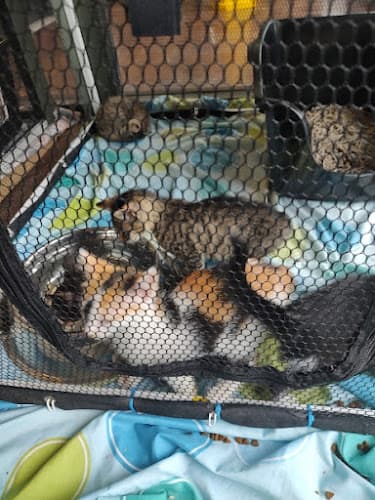
Adoption is the most visible part of the shelter's work. The facility houses dogs and cats of varying ages, breeds and backgrounds, including animals that arrived as strays, owner surrenders or transfers. Adoptable animals are typically evaluated for health and temperament before being made available, and staff work to match animals with households based on activity level, experience with pets, the presence of children and other animals in the home, and living arrangements such as apartments versus houses with yards.
Adoption fees at shelters of this kind generally cover a package of services that would cost considerably more if purchased separately at a private practice, including spay or neuter surgery, core vaccinations, deworming, a microchip and an initial veterinary examination. Prospective adopters should plan to complete an application, speak with an adoption counselor and, in some cases, bring resident dogs for a meet-and-greet. Because inventory changes daily, calling ahead at +1 610-825-0111 or checking montcospca.org before visiting is the most reliable way to know which animals are currently available.
Veterinary and Surgical Clinic
One feature that distinguishes the Montgomery County SPCA from a shelter that only rehomes animals is its public-access veterinary clinic. The clinic provides spay and neuter surgery, vaccinations, microchipping and a range of routine and medically necessary procedures for pets belonging to members of the community, not just animals in shelter custody. Reduced-cost sterilization is a core part of the mission, since high-volume spay and neuter work is the most direct tool a humane society has for reducing the number of unwanted litters entering the shelter system in the first place.
Clinic appointments are usually scheduled in advance, and availability can vary depending on surgical caseload. Owners considering the clinic should ask when they call about current pricing, what documentation or vaccination history to bring, fasting instructions before surgery, drop-off and pick-up windows, and what follow-up care is included. Residency requirements or income-based eligibility sometimes apply to subsidized programs at nonprofit clinics, so it is worth confirming those details directly with staff.
Lost and Found Pets
The shelter serves as a central clearinghouse for lost and found animals in the region. Residents who find a stray can bring the animal in to have it scanned for a microchip, and owners searching for a missing pet can file a lost report describing the animal's markings, collar, chip number and the location where it was last seen. Filing a report in person, when possible, tends to be more effective than a phone call alone, because staff can record physical details accurately and match them against animals in custody.
Microchipping is available as a standalone service and is one of the least expensive forms of insurance a pet owner can buy. A chip is only useful if the registration information is current, so owners who have moved or changed phone numbers should update their registry records.
Surrenders and Intake
The organization accepts owner surrenders and strays, though intake procedures, appointment requirements and any associated fees vary with capacity and the type of animal. People considering surrender are generally encouraged to call first. In some cases, staff can discuss alternatives such as behavior resources, low-cost medical care or rehoming assistance that allow a pet to stay with its family. When surrender is the right outcome, bringing veterinary records, information about the animal's history, diet, behavior around children and other pets, and any known medical conditions helps the shelter place the animal appropriately.
Facility and Accessibility
The Conshohocken location includes indoor kennel and cat housing areas, outdoor exercise space for dogs, meeting areas where adopters can spend time with animals, and clinic space for medical work. Accessibility features at the property include:
- A wheelchair accessible entrance
- A wheelchair accessible parking lot
- Wheelchair accessible seating
- A wheelchair accessible restroom
The business is also listed as LGBTQ+ friendly. On-site parking makes the location practical for visitors arriving with carriers, crates or multiple animals, and the Ridge Pike address is straightforward to reach from I-476, the Schuylkill Expressway and Conshohocken's main roads.
Practical Information for Visitors
- Address: 19 E Ridge Pike, Conshohocken, PA 19428
- Phone: +1 610-825-0111
- Website: montcospca.org
- Type: Nonprofit animal shelter with a public veterinary clinic
Visitors planning an adoption visit should allow extra time, bring identification, and, if renting, be prepared to show that pets are permitted at their residence. Families are often encouraged to bring all household members who will be living with the animal. Clinic clients should arrive at their scheduled time and follow any pre-surgical instructions provided when the appointment was booked.
Community Support
As a nonprofit, the shelter relies on adoption fees, clinic revenue, donations, grants and volunteer labor to operate. Common ways residents contribute include fostering animals that need time outside a kennel environment, volunteering with dog walking, cat socialization or events, donating supplies such as blankets, food and cleaning products, and making financial gifts that support medical treatment for animals arriving in poor condition. Anyone interested in volunteering or fostering should contact the shelter directly for current requirements, orientation schedules and age restrictions.