The National Alliance on Mental Illness, Montgomery County PA (commonly shortened to NAMI Montgomery County PA or NAMI Montco) is a mental health nonprofit organization based in Lansdale, Pennsylvania. It operates from Unit 204 at 100 W Main St, in the borough's downtown business district, and serves residents throughout Montgomery County. The organization can be reached by phone at +1 215-361-7784 and maintains a website at namimontcopa.org, where program schedules, registration details and contact forms are posted.
NAMI Montgomery County PA is a local affiliate of the National Alliance on Mental Illness, the grassroots mental health organization founded in 1979 that now includes a national office, state chapters and hundreds of county and regional affiliates across the United States. Pennsylvania affiliates operate under the umbrella of NAMI Keystone Pennsylvania and NAMI national while functioning as independent nonprofits with their own boards, staff and volunteer networks. That structure means the Lansdale office delivers nationally developed, evidence informed curricula while tailoring outreach, scheduling and referrals to the specific communities of Montgomery County.
Who the Organization Serves
The affiliate's work is directed at two overlapping audiences: people living with mental health conditions, and the family members, partners, caregivers and friends who support them. This dual focus is characteristic of NAMI affiliates generally. The national organization grew out of family advocacy efforts in the late 1970s, and its programming has long recognized that a diagnosis affects an entire household, not only the individual receiving care.
Conditions addressed through NAMI programming typically include depression, anxiety disorders, bipolar disorder, schizophrenia and schizoaffective disorder, post traumatic stress disorder, obsessive compulsive disorder, borderline personality disorder and co-occurring substance use concerns. The organization is not a clinical provider. It does not diagnose, prescribe medication or deliver therapy. Instead, it offers peer led education, mutual support and information that helps people navigate treatment systems, insurance questions, county services and crisis resources.
Support Groups
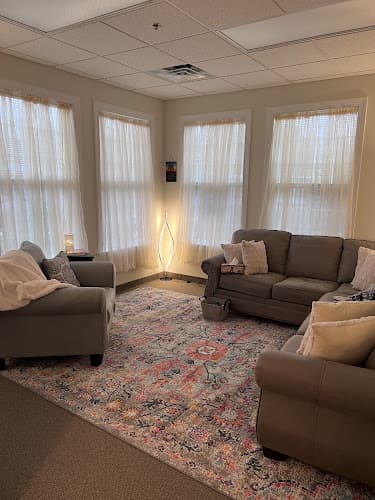
Peer led support groups form the core of the affiliate's regular activity. NAMI's group model is structured rather than open ended: facilitators are trained volunteers who have lived experience themselves, either as someone managing a mental health condition or as a family member, and meetings follow established guidelines around confidentiality, respect and equal speaking time. Groups are free and generally do not require registration or referral.
Common offerings across NAMI affiliates, and reflected in the Montgomery County affiliate's calendar, include:
- Recovery support groups for adults living with a mental health condition, where participants share coping strategies and progress in a confidential setting.
- Family support groups for parents, spouses, siblings, adult children and other caregivers.
- Age specific and population specific groups, including a long running group for participants aged 55 and older.
- Groups convened by location or by meeting format, with both in person and virtual options used by many affiliates since 2020.
Because schedules change seasonally and new groups are added as facilitators are trained, prospective participants are advised to check the website or call the office before attending for the first time.
Education and Training Programs
Alongside support groups, the affiliate delivers structured courses that run over a set number of weekly sessions. These are taught by trained volunteers and are offered at no cost to participants.
- Family-to-Family, a multi week course for adult relatives and caregivers covering diagnoses, treatment options, communication skills, crisis planning and self care.
- Peer-to-Peer, a course for adults living with mental illness that focuses on recovery planning, relapse prevention and building a personal support system.
- NAMI Basics, designed for parents and caregivers of children and adolescents showing signs of a mental health condition.
- WRAP, the Wellness Recovery Action Plan, a self management framework developed by Mary Ellen Copeland in which participants build a personalized plan of daily maintenance actions, triggers, early warning signs and crisis instructions. WRAP facilitation requires separate certification and is a notable part of the Montgomery County affiliate's training slate.
- Presentation programs such as In Our Own Voice, in which speakers with lived experience describe their recovery to community audiences, and Ending the Silence, a presentation series developed for middle and high school students, school staff and parents.
Advocacy, Outreach and Public Education
The affiliate also functions as an advocacy voice within Montgomery County, working to expand access to treatment, improve crisis response and reduce the stigma that discourages people from seeking help. This work takes the form of community presentations, participation in county behavioral health planning conversations, trainings for first responders and school personnel, awareness activities during Mental Health Awareness Month in May, and information tables at local events and health fairs.
NAMIWalks, the national organization's signature fundraising and awareness event, is held annually in the Philadelphia region and draws teams of participants from local affiliates. For many members, the walk doubles as a community gathering that connects people who otherwise meet only in small group settings.
Helpline and Referrals
One of the most common reasons people contact a NAMI affiliate is to ask where to start. Staff and volunteers field calls from individuals seeking treatment, from families uncertain how to help a relative who is resistant to care, and from professionals looking for community resources. The office can point callers toward county behavioral health services, crisis intervention lines, outpatient providers, housing and employment supports, and peer resources. For emergencies, callers are directed to 988, the national Suicide and Crisis Lifeline, or to local emergency services.
Location, Access and Practical Details
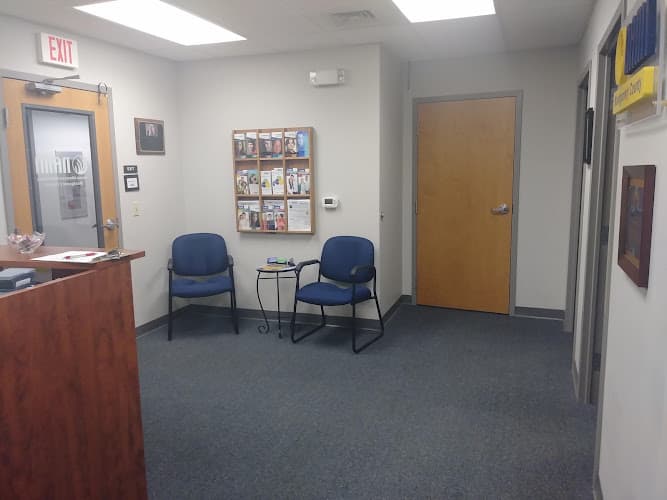
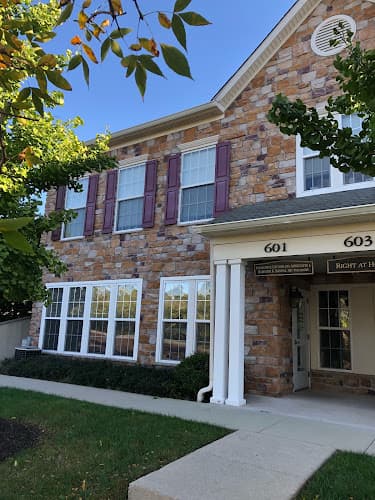
The Lansdale office sits on West Main Street, within walking distance of the borough's shops and the Lansdale train station on SEPTA's Lansdale/Doylestown Regional Rail line, which makes the location reachable for participants without a car. Montgomery County is large and geographically varied, so the affiliate also holds meetings and presentations at partner sites such as libraries, churches, hospitals and community centers in other parts of the county.
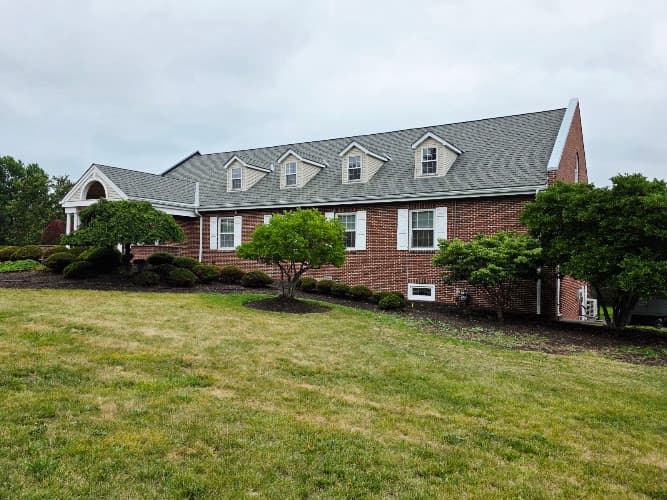
Facilities include a restroom for visitors. The building offers a wheelchair accessible entrance, a wheelchair accessible restroom and a wheelchair accessible parking lot, so the office can accommodate participants using mobility devices.
Programs are provided free of charge, supported by donations, grants, memberships and fundraising events. Volunteers are central to operations, and the affiliate regularly recruits people willing to be trained as group facilitators, course teachers, presenters and event helpers. Individuals interested in attending a group, enrolling in a class, requesting a presentation for a school or workplace, volunteering or donating can call the office or use the contact information posted on the organization's website.