OTherapYoga, LLC is a Pennsylvania practice that sits at the intersection of occupational therapy and movement instruction. Led by Elizabeth Bentz, known to most of her students simply as Liz, the practice applies clinical training in occupational therapy to group and individual movement sessions built around yoga and Tai Chi. The name itself signals the approach: therapy and yoga treated as two parts of the same conversation about how people move, recover, and function in daily life.
Occupational therapy is a health profession concerned with helping people do the things they need and want to do, from dressing and cooking to working, gardening, caring for family members, or returning to a sport after injury. Practitioners assess how physical ability, cognition, environment, and habit interact, then adapt the task, the tools, or the technique so the activity becomes possible again. OTherapYoga brings that problem-solving mindset into a yoga studio setting, where poses and sequences are treated not as fixed shapes to be copied but as movement patterns that can be adjusted for the body in front of the instructor.
What the Practice Offers
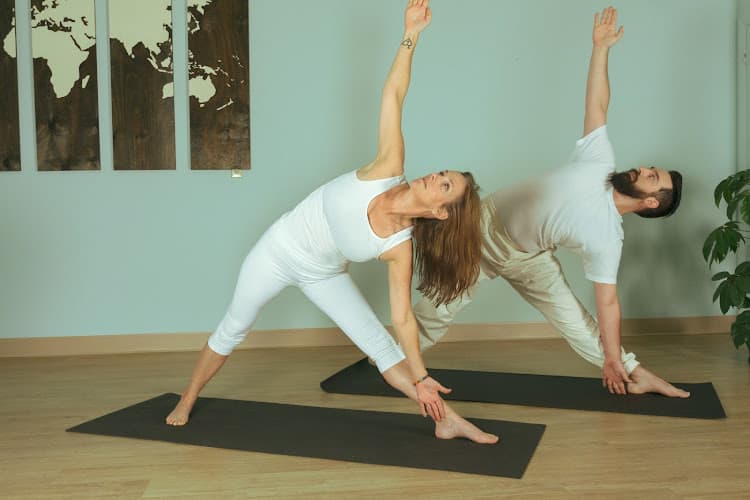
The core of the practice is instruction in yoga and Tai Chi, frequently woven together within a single session. Yoga contributes breath work, held and flowing postures, strength and flexibility training, and attention to alignment. Tai Chi contributes continuous weight shifting, rotational movement, and a slow, repeating rhythm that trains balance and coordination without impact. Combining the two produces a session that works on strength and mobility while also addressing the kind of postural control and body awareness that occupational therapists watch closely, particularly in adults concerned about falls or about returning to activity after illness or surgery.
Typical elements of a session may include:
- Breath-centered warm-ups that prepare the spine, shoulders, and hips for movement
- Standing sequences that build lower body strength and single-leg stability
- Tai Chi forms and partial forms practiced slowly, with emphasis on weight transfer and relaxed, continuous motion
- Core and postural work aimed at the muscles that support everyday lifting, reaching, and carrying
- Floor-based stretching and restorative positions, often supported with props
- Closing relaxation and reflection, sometimes drawing on principles from positive psychology
Because the instructor is an occupational therapist, the cueing tends to be anatomically specific. Students hear not just where to put a hand or foot but why the placement matters and what the body is meant to feel. That explanatory layer is useful for newer students who have never been told what a pose is actually for, and equally useful for experienced practitioners who have been repeating a shape for years without understanding the mechanics behind it.
Adapting the Practice to the Person
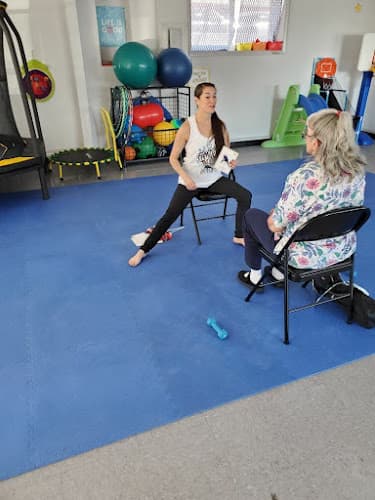
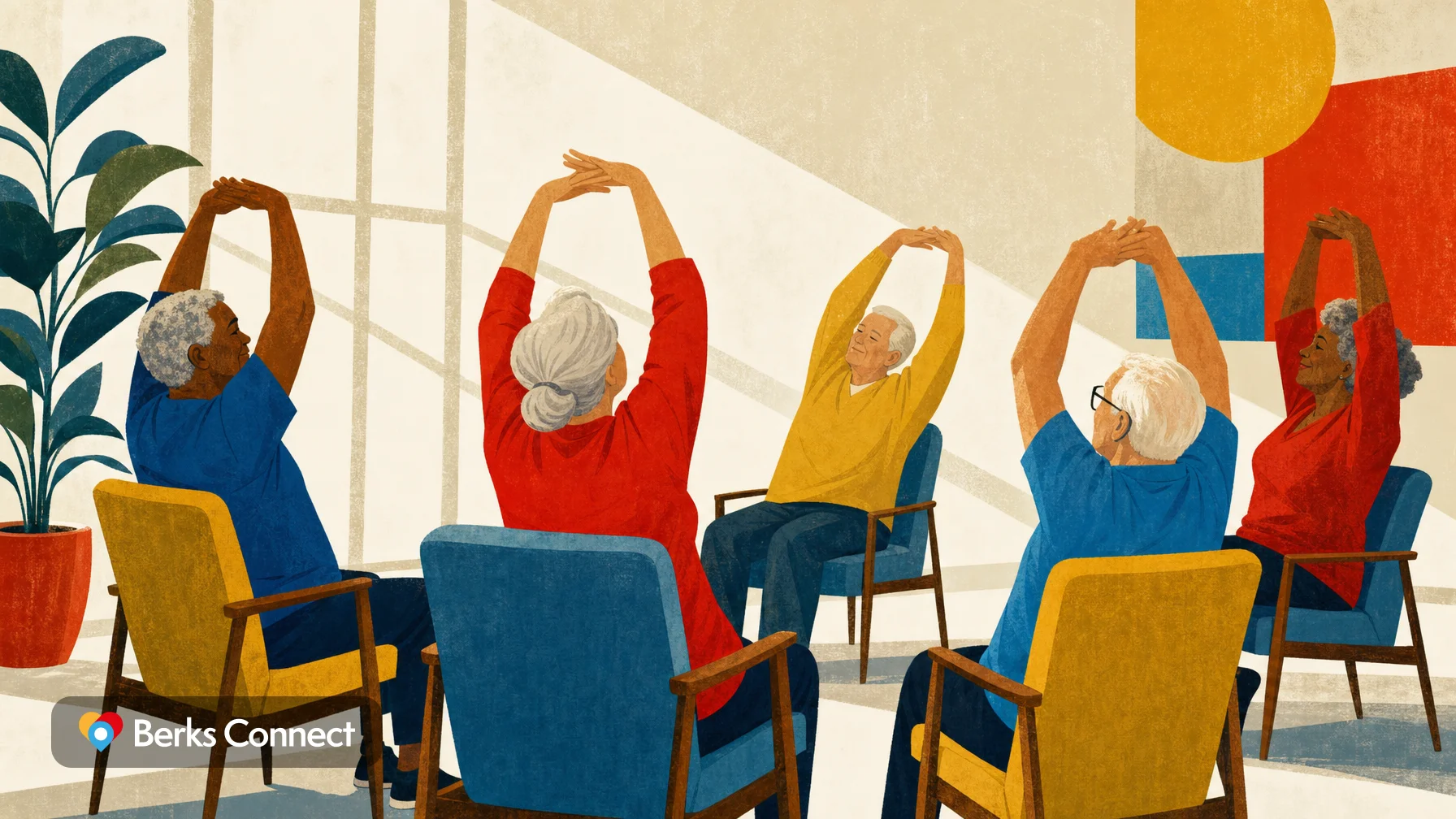
Modification is treated as standard practice rather than a concession. Chairs, blocks, straps, bolsters, and wall support allow a pose to be scaled up or down, and most sequences are taught with more than one option available at the same time. A participant with limited wrist tolerance, a replaced joint, restricted shoulder range, or balance concerns can work alongside someone training at full intensity, with both receiving instruction appropriate to their situation. This mixed-ability format is one of the defining characteristics of the practice and reflects a clinical habit of meeting the client where they are instead of asking them to meet a standard.
The approach tends to draw several groups of participants: adults managing chronic conditions such as arthritis, back pain, or neurological changes; people transitioning out of formal rehabilitation who want structured movement to maintain their gains; older adults focused on balance, mobility, and independence; caregivers and health professionals looking after their own physical and mental health; and general students who simply want a thoughtful, well-explained class.
Mental and Emotional Dimensions
Occupational therapy has always addressed mental health alongside physical function, and that orientation is visible in how sessions are structured. Breath regulation, attention training, and deliberate pacing are built into the movement rather than added as an afterthought. Elements drawn from positive psychology, including attention to strengths, gratitude, and goal setting, appear in the framing of classes and in the reflective portions at the beginning and end. Tai Chi in particular lends itself to this work, since its slow repetition gives practitioners time to notice what is happening in the body and the mind without rushing from one shape to the next.
For participants dealing with stress, grief, major life transitions, or the emotional consequences of injury and illness, this combination of structured physical practice and reflective framing can carry meaning beyond fitness. The sessions are movement classes rather than counseling, but they are designed with the understanding that physical and emotional recovery rarely happen separately.
Service Area and Format
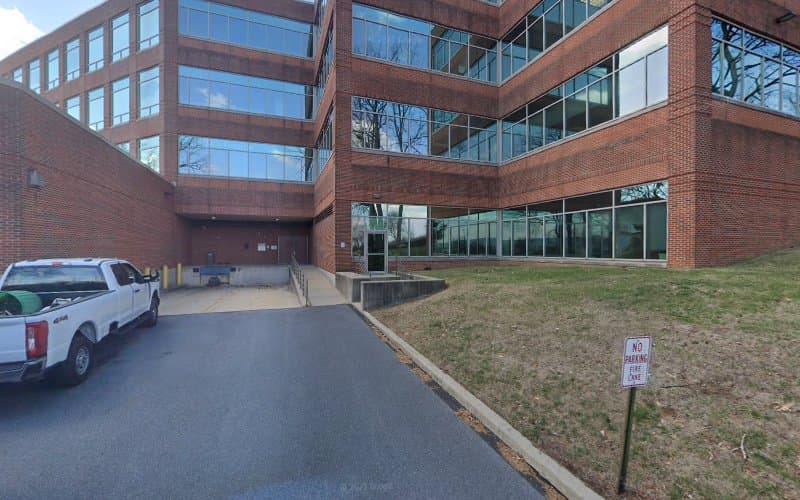
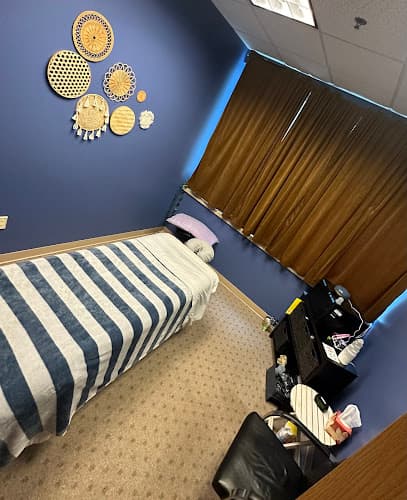
OTherapYoga, LLC serves communities across Pennsylvania, including Berks County and the surrounding region. Programming may take place in studio and community settings, in group classes, and in individualized sessions for those who prefer one to one attention or who have specific functional goals. Private and small group instruction allows for a more detailed assessment of movement patterns and a program tailored to a particular condition, work demand, or activity the participant wants to return to. Workshops and specialty sessions on topics such as balance, Tai Chi fundamentals, or adaptive yoga are also part of the practice's work, along with instruction aimed at organizations, wellness programs, and groups of professionals.
Practical Information
Prospective participants are encouraged to call ahead to discuss class schedules, locations, session formats, and whether a group class or private instruction is the better starting point. Those with recent surgery, acute injury, or a medical condition that affects exercise tolerance should mention it when they call, so the session can be planned appropriately and, where relevant, coordinated with guidance from their physician or treating therapist.
- Business name: OTherapYoga, LLC
- Service area: Pennsylvania, including Berks County and nearby communities
- Phone: +1 610-781-4254
- Focus: occupational therapy informed yoga and Tai Chi instruction, adaptive movement, balance and mobility, group and individual sessions
Newcomers generally need only comfortable clothing that allows free movement and, for mat-based sessions, a yoga mat. Props are typically available, and anyone unsure about equipment can ask when scheduling. No prior experience with yoga or Tai Chi is required, and beginners are regularly placed in the same sessions as longtime practitioners, with instruction adjusted accordingly.