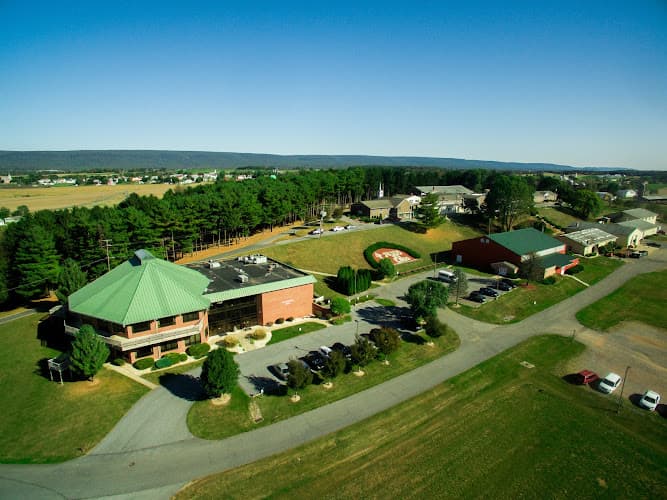
Pennsylvania Adult and Teen Challenge (PAATC) is a residential addiction recovery organization headquartered at 33 Teen Challenge Road in Rehrersburg, a small village in the Tulpehocken Creek valley of Berks County, Pennsylvania. The Rehrersburg property, situated on a wooded rise that residents and alumni commonly refer to simply as "the mountain," functions as the organization's primary training center and administrative base. From this location, PAATC coordinates long-term recovery programming for adults struggling with drug and alcohol dependency, along with intake services, referrals, and alumni support that reach across the state.
The organization belongs to the broader Teen Challenge network, a faith-based recovery movement that began in New York City in the late 1950s and grew into hundreds of centers worldwide. The Pennsylvania branch has operated for decades and is one of the older and larger affiliates in the United States, with graduates dating back to the 1970s and 1980s who continue to stay connected to the campus. The name reflects the movement's origins rather than the current population served: while the network began with outreach to young people, the Pennsylvania program today works primarily with adults, which is why "Adult" was added to the name.
Program Model
PAATC offers a long-term residential program rather than a short detox or 28-day stay. Participants typically commit to a period measured in months, and the schedule is structured around a full daily routine that combines classroom instruction, counseling, work assignments, physical activity, and personal study time. The extended timeline is central to the model: the program is built on the premise that lasting behavioral change requires enough time for new habits, relationships, and routines to take hold before a resident returns to the environment they came from.
The curriculum is Christ-centered and openly religious in character. Chapel services, Bible study, group discussion, and individual mentoring are woven into the weekly schedule alongside more conventional recovery practices such as individual and group counseling, relapse prevention education, and life skills training. Staff include counselors, care associates, interns, pastoral leadership, and program graduates who have returned to work at the center. The blend of spiritual formation with practical recovery methods is the defining feature of the approach and distinguishes PAATC from clinically oriented treatment facilities that operate on a medical model.
Common elements of the residential experience include:
- Structured daily and weekly schedules covering study, work, meals, recreation, and worship
- Individual counseling paired with group sessions and peer accountability
- Classroom instruction on character development, decision making, and personal responsibility
- Work therapy and vocational assignments on campus that build routine and job readiness
- Music and choir opportunities, including travel to churches and community venues around Pennsylvania
- Family communication and visitation policies that keep relatives involved in a resident's progress
- Transition planning and alumni connection for life after graduation
Whole Person Support
Beyond substance use itself, the program addresses the practical circumstances that often accompany long-term addiction. Many people arrive without stable housing, current identification, employment history, or access to routine health care. PAATC staff assist residents in coordinating medical and dental appointments, vision care, and follow-up treatment for untreated injuries or chronic conditions, working with local providers in Berks County and the surrounding region. Attention is also given to nutrition, sleep, physical activity, and the restoration of family relationships, all of which affect a person's ability to stay engaged in recovery.
Transportation assistance is another part of the intake process in some cases, which can be significant for prospective residents who have no reliable way to reach a rural campus. Families inquiring about admission are encouraged to raise logistical concerns during the initial phone conversation, since arrangements vary by situation.
Location and Setting
Rehrersburg sits in northwestern Berks County near the Lebanon County line, in a rural stretch of farmland and forested ridges along the Blue Mountain corridor. The campus is roughly a half hour from Lebanon, about 45 minutes from Reading and Harrisburg, and within a two hour drive of Philadelphia, Allentown, Lancaster, and much of central and eastern Pennsylvania. Interstate 78 and Interstate 81 provide the main regional highway access, with local routes connecting to the Teen Challenge Road property.
The rural setting is deliberate. Distance from familiar neighborhoods, social circles, and sources of supply removes many of the immediate triggers that complicate early recovery, and the quiet surroundings support the program's emphasis on reflection and routine. The grounds include residential housing, classroom and chapel space, dining facilities, offices, and outdoor recreation areas. The campus is also a gathering point for the wider PAATC community, hosting an annual summer event known as Celebrate that draws alumni, supporters, families, and church groups from across the region.
Who the Program Serves
PAATC works with men and women whose lives have been disrupted by alcohol and drug use, including opioids, methamphetamine, cocaine, and prescription medications. Applicants frequently come to the program after previous attempts at treatment elsewhere, and many arrive through referrals from churches, courts, probation officers, hospitals, or family members. Because the program is voluntary and residential, willingness to complete a long-term commitment and to participate in the faith-based curriculum is an important part of the intake conversation. Prospective residents with acute medical needs or a requirement for supervised detoxification are typically directed to complete that step before entering the residential program.
Admissions and Practical Information
Inquiries and admissions questions are handled by phone at +1 844-442-8673, a toll free line that connects callers with intake staff who can explain current openings, application requirements, costs, payment or scholarship options, and what a resident should bring.
The Rehrersburg site includes a wheelchair accessible entrance and a wheelchair accessible parking lot. Visitors planning a trip to the campus for a family visit, a graduation, or an event should confirm current visiting hours and schedules in advance, as they are tied to the residential program's daily routine.
Community Role
In addition to its residential work, PAATC maintains an active presence in Pennsylvania churches and communities through speaking engagements, music ministry, fundraising events, and alumni networks. Graduates from across several decades remain involved as volunteers, donors, staff members, and mentors, and a portion of the workforce at the center consists of people who once went through the program themselves. That continuity between former residents and current staff is a notable characteristic of the organization and shapes both the culture of the campus and the support available to people after they complete the program.