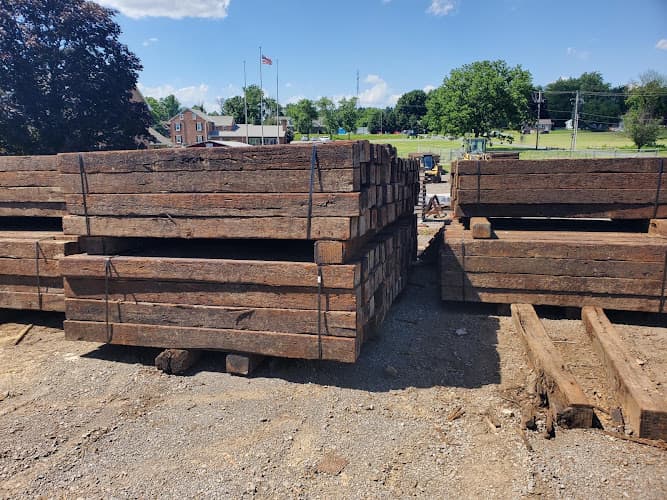
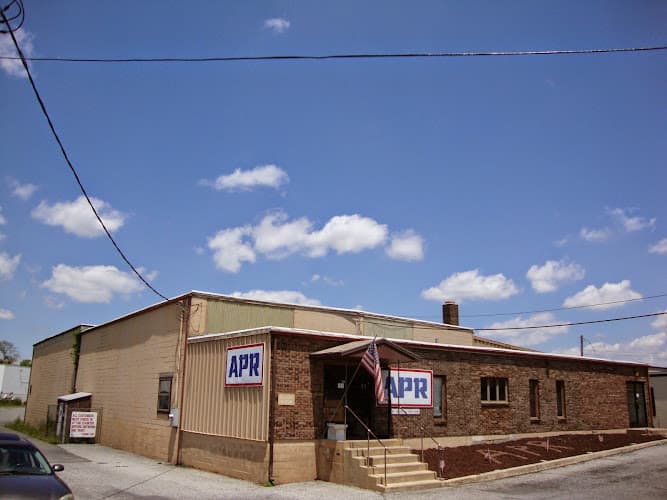
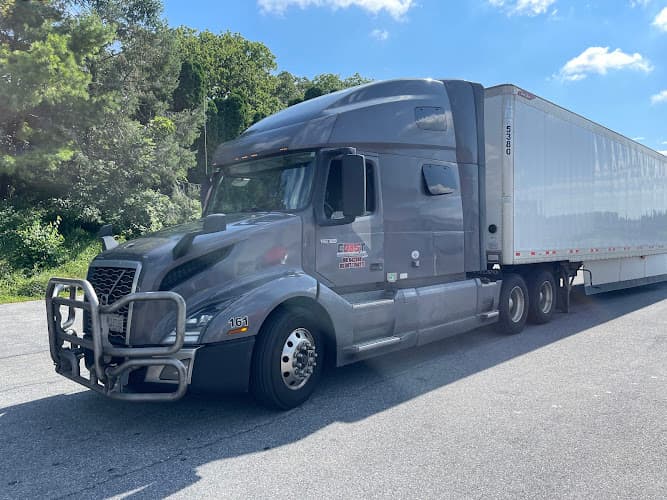
POHL Railroad Materials Corporation, LLC is a railroad ties supplier based at 16 Margaret Ln in Reading, Pennsylvania. The company deals in crossties and related track materials, serving a mix of customers that typically includes contractors, landscapers, farm and property owners, and homeowners working on their own outdoor projects. Its yard operation places it within a niche segment of the building materials trade: the sourcing, sorting, and resale of heavy timber originally manufactured for railroad track use.
The business can be reached by phone at +1 610-916-7645. The Margaret Lane location sits in the northern part of the Reading area, within reach of the Route 222, Route 61, and Route 12 corridors that connect Berks County to the wider southeastern Pennsylvania region.
What Railroad Ties Are and Why People Buy Them
A railroad tie, also called a crosstie or sleeper, is the rectangular timber that sits perpendicular beneath rail and holds the track to gauge while distributing train loads into the ballast below. Standard North American crossties are commonly 7 inches by 9 inches in cross section and 8 feet 6 inches long, though sizes vary and longer switch ties and bridge timbers are also produced. Most are cut from hardwood species such as oak, and most are pressure treated with creosote or a similar preservative to resist rot, fungal decay, and insect damage in constant ground contact.
That combination of dense hardwood, heavy timber dimensions, and industrial preservative treatment is exactly why ties have a long second life away from the rails. Once a tie is removed from track service, it may still have decades of structural usefulness left for applications where precision is less important than durability. Buyers use ties for:
- Retaining walls and terraced garden beds on sloped yards
- Raised planters, tree rings, and bed borders
- Driveway edging, parking bumpers, and wheel stops
- Steps and stair stringers built into hillsides
- Erosion control and grade changes in rough terrain
- Farm and equestrian uses such as fencing, barriers, and arena borders
- Bracing, cribbing, and temporary support on job sites
- Rustic outdoor structures, sign posts, and heavy-duty barriers
Product Grades and How They Differ
Tie suppliers generally work in grades, and understanding the vocabulary helps a buyer arrive with the right expectations. New ties are freshly manufactured and treated timbers that have never seen track service. They are uniform, clean edged, and priced at the top of the range. Relay ties are used ties that remain sound enough to be reinstalled in light rail service, such as industrial spurs, sidings, and short lines. Landscape grade ties, sometimes described as number two or garden grade, are ties retired from track duty that carry the marks of their working life: spike holes, plate indentations, weathered surfaces, checking, and some variation in straightness and length. For a garden wall or a set of hillside steps, those cosmetic differences rarely matter, and the price difference can be significant.
Because grades vary this widely, buying ties is usually a conversation rather than a catalog transaction. A customer who explains the project, the span, the height of a wall, or the look they want can often be pointed toward a lower grade that performs identically for the purpose at hand. Reviews of this business reflect that kind of practical, project-first approach at the counter, and it is a useful thing to know before visiting: come prepared with measurements, the intended use, and a rough count, and the selection process moves quickly.
Practical Considerations for Buyers
Railroad ties are heavy. A standard 8 foot 6 inch oak crosstie commonly weighs somewhere between 150 and 250 pounds depending on species, moisture content, and treatment, and used ties can be heavier still if saturated. Planning for that weight is the single biggest logistical issue for first-time buyers. A pickup truck can handle a few ties, but bed capacity, tire load rating, and tailgate length all matter, and ties longer than the bed need to be flagged and secured. Larger orders are typically better handled with a trailer, a flatbed, or delivery.
Other points worth thinking through before purchase:
- Cutting and drilling. Treated hardwood is hard on tools. A carbide-tipped or demolition blade, an auger bit for spike holes, and eye and respiratory protection are standard for tie work. Used ties may still contain embedded metal such as broken spikes or plate fragments, so scanning before cutting saves blades.
- Fastening. Ties are usually pinned with long rebar stakes, timber screws, or spikes rather than conventional fasteners.
- Placement. Creosote-treated wood is generally recommended for outdoor use away from direct, prolonged skin contact, drinking water sources, and areas where food crops are grown. Many landscapers reserve ties for structural walls, borders, and grade work, and use untreated or alternately treated lumber for vegetable beds.
- Appearance over time. Used ties weather to a gray-brown and may weep preservative in hot weather when new to the site. This settles with exposure.
- Quantity math. Ties stack in courses, so wall height is figured in 7 inch or 9 inch increments depending on orientation. Bringing a sketch with dimensions helps get the count right the first time.
Location, Access, and Service Area
The Reading yard serves Berks County and the surrounding region of southeastern and central Pennsylvania, with Allentown, Lancaster, Pottstown, Harrisburg, and the western Philadelphia suburbs all within a reasonable drive. Reading itself has deep railroad history, having been the namesake and headquarters city of the Reading Company, and the region retains an active freight rail network along with the industrial supply trades that grew up around it. A tie yard in this location is a natural fit for that history.
Google lists the property as having a wheelchair accessible parking lot. As with most material yards, it is advisable to call ahead to confirm current stock, grades on hand, pricing, loading arrangements, and hours before making the trip, particularly for large orders or for specialty sizes such as switch ties and bridge timbers.
Contact Information
- Address: 16 Margaret Ln, Reading, PA 19605, United States
- Phone: +1 610-916-7645
- Business category: Railroad ties supplier
For homeowners tackling a first landscaping wall, contractors sourcing volume for a grading job, or property owners in need of durable timber for farm and industrial use, POHL Railroad Materials Corporation, LLC operates as a specialist in a product category that most general lumberyards stock only sparingly, if at all.