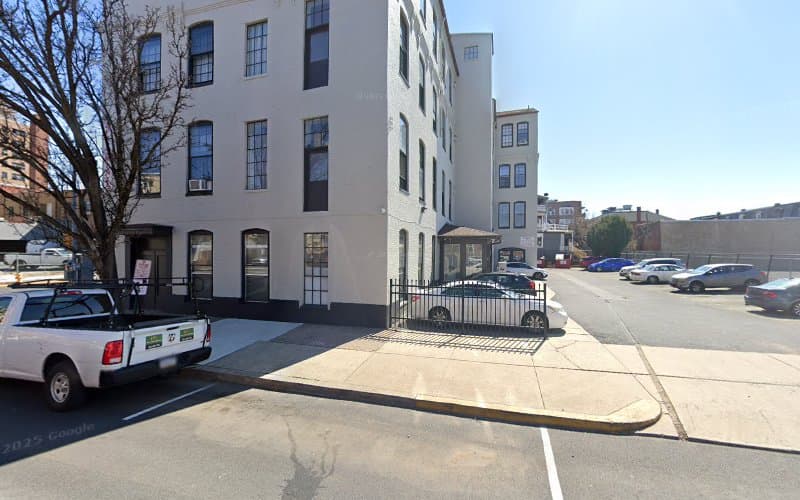
Reading Knitting Mills stands as a significant historical landmark in Reading, Pennsylvania, representing the city's rich industrial heritage in the textile manufacturing sector. Located at 350 Elm Street in the heart of Reading, this site serves as a tangible connection to an era when southeastern Pennsylvania was a major center of American textile production, particularly in the knitting and hosiery industries.
Historical Context of Reading's Textile Industry
Reading, Pennsylvania emerged as one of the most important textile manufacturing centers in the United States during the late nineteenth and early twentieth centuries. The city's strategic location along the Schuylkill River, combined with excellent railroad connections provided by the Reading Railroad, made it an ideal location for industrial development. The textile industry, particularly knitting mills and hosiery manufacturers, became a cornerstone of the local economy.
During the peak of textile manufacturing in Reading, the city was home to numerous knitting mills that produced everything from stockings and socks to underwear and outerwear. These mills employed thousands of workers, many of them immigrants and women who found steady employment in the factories. The industry shaped the social fabric of Reading, influencing neighborhood development, labor relations, and the city's cultural identity.
Reading Knitting Mills operated within this broader industrial ecosystem, contributing to the city's reputation as a textile manufacturing powerhouse. The concentration of knitting mills in Reading was so significant that the city became known nationally for its hosiery production, competing with other Pennsylvania textile centers and mills throughout New England.
Architectural and Industrial Significance
The structure at 350 Elm Street reflects the architectural conventions typical of American industrial buildings from the manufacturing era. Textile mills of this period were generally constructed with durability and functionality in mind, featuring heavy timber or reinforced concrete construction designed to support the weight of industrial machinery and withstand the vibrations of continuous operation.
Industrial buildings from this era commonly featured large windows to maximize natural light on factory floors, high ceilings to accommodate machinery and improve air circulation, and open floor plans that allowed for flexible arrangement of equipment. Many of these buildings were constructed using locally sourced materials, including brick from regional kilns, contributing to the distinctive architectural character of Pennsylvania's industrial landscape.
The preservation of Reading Knitting Mills as a historical landmark allows visitors and residents to observe firsthand the scale and character of early American industrial architecture. Such buildings serve as important educational resources, helping contemporary audiences understand the physical conditions under which previous generations worked and the engineering solutions developed to meet manufacturing needs.
The Knitting Industry in American History
The knitting industry in the United States underwent significant transformation during the nineteenth century with the introduction of mechanized production. Prior to industrialization, knitting was performed by hand, limiting production capacity and making knitted goods relatively expensive. The development of knitting machines revolutionized the industry, enabling mass production of hosiery, underwear, and other knitted garments.
Pennsylvania became a center of this mechanized knitting industry due to several factors. The state's established manufacturing infrastructure, skilled immigrant workforce, access to raw materials, and proximity to major markets in Philadelphia and New York made it an attractive location for textile entrepreneurs. Cities like Reading, along with Philadelphia and other Pennsylvania communities, developed specialized expertise in various aspects of textile production.
The products manufactured at knitting mills like those in Reading ranged from basic utilitarian items to more fashionable goods. Full-fashioned hosiery, which was shaped during the knitting process rather than cut and sewn, became a specialty of many Pennsylvania mills. This technique produced a superior product that commanded premium prices and required skilled operators to run the specialized machinery.
Labor History and Social Impact
Textile mills played a significant role in American labor history, and Reading's knitting industry was no exception. The mills provided employment opportunities that drew workers from across the region and from overseas. Immigrant communities, particularly those from Eastern and Southern Europe, found work in Reading's textile factories, establishing ethnic neighborhoods and institutions that shaped the city's cultural landscape.
Working conditions in early textile mills were often challenging, with long hours, repetitive tasks, and exposure to lint and noise. Over time, labor organizing efforts sought to improve conditions, wages, and job security for textile workers. Reading's industrial workforce participated in broader national movements for workers' rights, contributing to the development of labor protections that would eventually become standard across American industry.
The employment provided by knitting mills also had significant implications for women's economic participation. Textile manufacturing was one of the few industries that employed large numbers of women, providing income and a degree of economic independence during an era when employment options for women were limited. The experience of working in mills influenced women's roles in their families and communities.
Decline of the Textile Industry
The American textile industry began experiencing significant challenges during the mid-twentieth century. Competition from foreign manufacturers, particularly those in countries with lower labor costs, put pressure on domestic producers. Changing fashion trends, the introduction of synthetic fibers, and shifts in consumer preferences also affected the industry. Many mills that had operated for generations found themselves unable to compete and eventually closed.
Reading's textile industry followed this national pattern of decline. Mills that had employed thousands of workers gradually reduced operations or shut down entirely. The economic impact on Reading and similar industrial cities was substantial, leading to job losses and economic restructuring that continued over several decades.
The recognition of Reading Knitting Mills as a historical landmark represents an effort to preserve the memory of this industrial heritage even as the industry itself has largely disappeared from the region. Such preservation efforts acknowledge the importance of industrial history in understanding American economic and social development.
Visiting the Site
Reading Knitting Mills is located in Reading, Pennsylvania, a city approximately sixty miles northwest of Philadelphia. The site is accessible via major highways serving the region, including routes connecting to the Pennsylvania Turnpike and Interstate 78. Reading itself offers various amenities for visitors interested in exploring the city's industrial heritage, including museums and other historical sites.
Those interested in industrial history may find value in viewing the exterior architecture and considering the site within the broader context of Reading's manufacturing past. The Elm Street location places the mill within the urban fabric of Reading, allowing visitors to observe how industrial facilities were integrated into the city's layout during the manufacturing era.
Preservation and Heritage
The designation of Reading Knitting Mills as a historical landmark reflects broader efforts to document and preserve America's industrial heritage. Industrial archaeology and heritage preservation have gained increasing recognition as important fields, with scholars, preservationists, and community members working to ensure that the physical evidence of industrial history is maintained for future generations.
Such preservation efforts serve multiple purposes. They provide educational resources for understanding economic and social history, contribute to community identity and pride, and can support heritage tourism and economic development. Former industrial buildings have been adapted for various contemporary uses across the country, demonstrating the potential for these structures to continue serving their communities in new ways.
Reading Knitting Mills stands as a reminder of the industrial processes and working lives that shaped American society during the manufacturing era. The site contributes to the historical landscape of Reading and offers opportunities for reflection on the changes that have transformed American industry and urban communities over the past century.