Reading Plumbing Inspector
Reading Plumbing Inspector in Reading, PA, is a city government office dedicated to overseeing plumbing regulations and ensuring public safety through meticulous inspections.
About Reading Plumbing Inspector
Overview of the Reading Plumbing Inspector Office
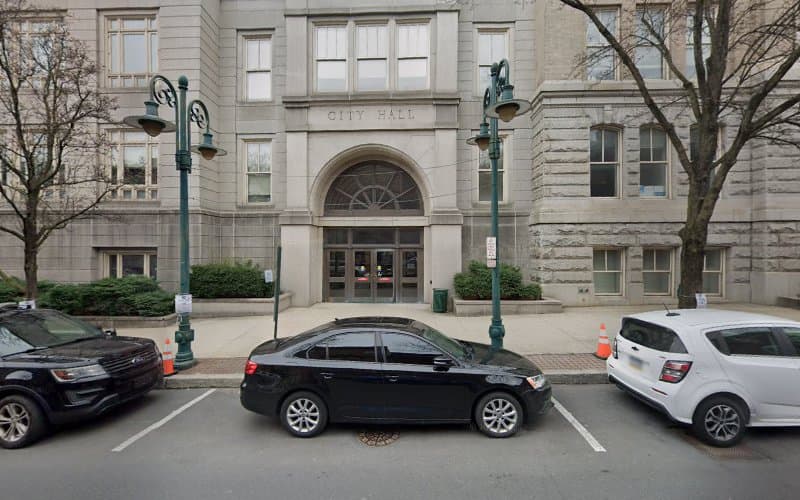
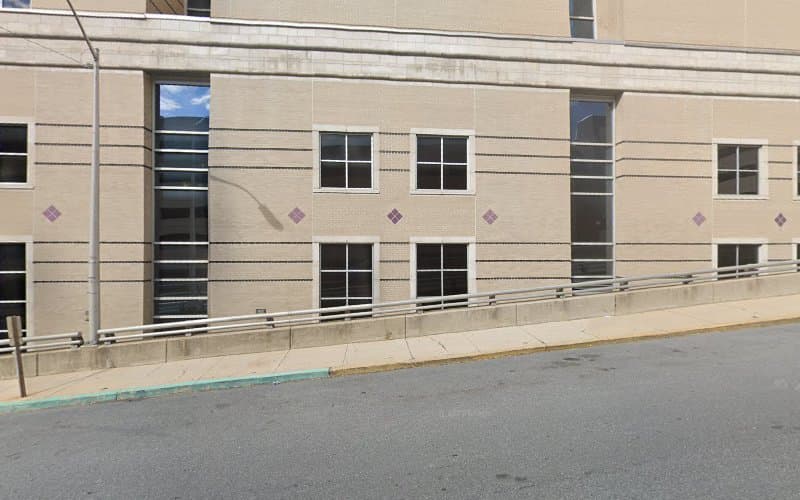
The Reading Plumbing Inspector operates as a division within the City of Reading's municipal government, serving as the regulatory authority responsible for overseeing plumbing installations, modifications, and repairs throughout the city. Located at 815 Washington Street in downtown Reading, Pennsylvania, this office functions as an essential component of the city's building and code enforcement infrastructure, ensuring that all plumbing work performed within city limits adheres to established safety codes and standards.
As a city government office, the Reading Plumbing Inspector serves a fundamentally different purpose than private plumbing contractors. Rather than performing plumbing work directly, this office reviews permit applications, conducts inspections of plumbing installations, and verifies that completed work meets the requirements set forth by the Pennsylvania Uniform Construction Code and local ordinances. This regulatory function protects public health and safety by ensuring that water supply systems, drainage systems, and related plumbing infrastructure are properly installed and maintained.
Functions and Responsibilities
The primary responsibilities of a municipal plumbing inspection office encompass several critical areas of public safety and regulatory compliance. The Reading Plumbing Inspector handles the review and approval of plumbing permit applications submitted by licensed contractors and property owners undertaking plumbing projects. These permits are required for most plumbing work beyond minor repairs, including the installation of new fixtures, water heater replacements, sewer line repairs, and bathroom or kitchen remodeling projects that involve plumbing modifications.
Inspection services constitute a major portion of the office's workload. When property owners or contractors apply for plumbing permits, they must schedule inspections at various stages of the work to ensure compliance with applicable codes. Rough-in inspections occur before walls and ceilings are closed up, allowing inspectors to verify that pipes are properly sized, supported, and connected. Final inspections take place after all fixtures are installed and the system is operational, confirming that the completed work functions correctly and meets all safety requirements.
The office also plays a role in addressing plumbing-related complaints and code violations. When issues arise with plumbing systems that may affect public health or safety, such as sewage backups, cross-contamination concerns, or improperly installed gas lines connected to water heaters, the plumbing inspector may investigate and require corrective action. This enforcement function helps maintain the integrity of the city's water and sewer infrastructure while protecting residents from potential hazards.
The Permit and Inspection Process
Property owners and contractors planning plumbing work in Reading typically begin by contacting the Plumbing Inspector's office to determine whether their project requires a permit. While minor repairs such as replacing faucet washers or clearing drain clogs generally do not require permits, more substantial work almost always does. This includes installing new plumbing fixtures, replacing water heaters, running new supply or drain lines, and connecting to the municipal sewer system.
The permit application process involves submitting detailed information about the proposed work, including the scope of the project, the location within the property, and the materials and methods to be used. In many cases, applicants must also provide drawings or plans showing the proposed plumbing layout. The inspector reviews these submissions to verify that the planned work will comply with applicable codes before issuing the permit.
Once work begins, the permit holder must request inspections at the appropriate stages. Failing to obtain required inspections can result in violations and may require the property owner to open up finished walls or ceilings to allow inspection of concealed work. This requirement underscores the importance of following proper procedures from the outset of any plumbing project.
Location and Accessibility
The Reading Plumbing Inspector office is situated at 815 Washington Street in the 19601 zip code, placing it within the central business district of Reading. Washington Street serves as one of the main thoroughfares through downtown Reading, providing relatively convenient access for residents and contractors who need to visit the office in person to submit permit applications, pay fees, or discuss inspection requirements.
The facility includes wheelchair accessible parking, accommodating visitors with mobility limitations who need to conduct business at the office. This accessibility feature reflects the city's efforts to ensure that government services remain available to all residents regardless of physical ability.
Reading, the county seat of Berks County, has a population of approximately 95,000 residents within the city limits, with a larger metropolitan area extending into surrounding townships. The Plumbing Inspector's jurisdiction covers plumbing work performed within the incorporated boundaries of the City of Reading, while surrounding municipalities maintain their own inspection services or contract with third-party agencies for code enforcement.
Regulatory Framework
Plumbing inspection in Pennsylvania operates within a framework established by the Pennsylvania Uniform Construction Code, which was enacted in 2004 to standardize building codes across the commonwealth. This code incorporates the International Plumbing Code with Pennsylvania-specific amendments, establishing minimum standards for plumbing installations throughout the state. Local jurisdictions like Reading may adopt additional requirements that exceed these minimum standards where local conditions warrant.
The plumbing code addresses numerous technical requirements including pipe sizing, fixture placement, venting systems, water supply protection, and drainage system design. These regulations have evolved over decades of experience with plumbing system failures and public health concerns, incorporating lessons learned from incidents involving contaminated water supplies, sewer gas intrusion, and structural damage from water leaks.
Inspectors must possess knowledge of these codes and the practical experience to recognize compliant and non-compliant installations. In Pennsylvania, plumbing inspectors typically hold certifications demonstrating their competence in code interpretation and inspection procedures. This professional qualification ensures that inspection decisions are based on technical expertise rather than arbitrary judgment.
Importance of Plumbing Inspection
The work performed by municipal plumbing inspectors serves several important public interests that may not be immediately apparent to property owners focused on completing their projects. Proper plumbing installation protects the potable water supply from contamination through cross-connections with non-potable sources. Backflow prevention devices, air gaps, and proper pipe separation all serve to maintain the safety of drinking water.
Drainage system inspections ensure that waste water flows properly to the municipal sewer system without leaking into the surrounding soil or backing up into buildings. Improperly installed drain lines can cause sewage to accumulate beneath buildings, creating health hazards and structural problems. Vent systems must be properly connected to allow drainage to flow freely while preventing sewer gases from entering occupied spaces.
Water heater installations receive particular attention due to the potential for serious injury or property damage from improperly installed units. Temperature and pressure relief valves, proper venting of combustion gases, and adequate clearances from combustible materials all fall within the scope of plumbing inspection for these appliances.
Contact Information
The Reading Plumbing Inspector office can be reached by telephone at 610-655-6312. Callers can use this number to inquire about permit requirements, schedule inspections, or obtain information about the inspection process. As with most government offices, calling ahead before visiting in person is advisable to confirm office hours and ensure that appropriate staff members are available to assist with specific questions or transactions.
The office operates as part of the City of Reading's broader administrative structure, coordinating with other departments including the Building Inspector, Electrical Inspector, and Code Enforcement to provide comprehensive oversight of construction and renovation activities throughout the city. This coordination helps ensure that projects receive all necessary approvals and that different building systems work together properly in completed structures.
Unique Details About Reading Plumbing Inspector
Accessibility
- Wheelchair accessible parking lot
Contact Information for Reading Plumbing Inspector
Reading, PA 19601
United States of America
County: Berks County
Phone: +1 610-655-6312
Customer Reviews
No reviews yet.
Working Hours / Hours of Operation
Location Map
Similar Government Offices (Local/County) Near Reading, PA
BerksConnect: everything local in Berks County, PA.
8,700+ local businesses with AI-summarized reviews, plus local guides, jobs, and what's happening around the county.