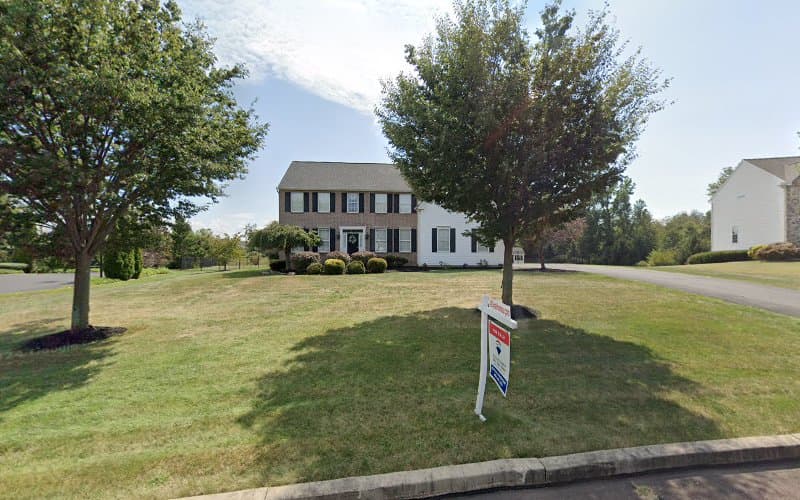
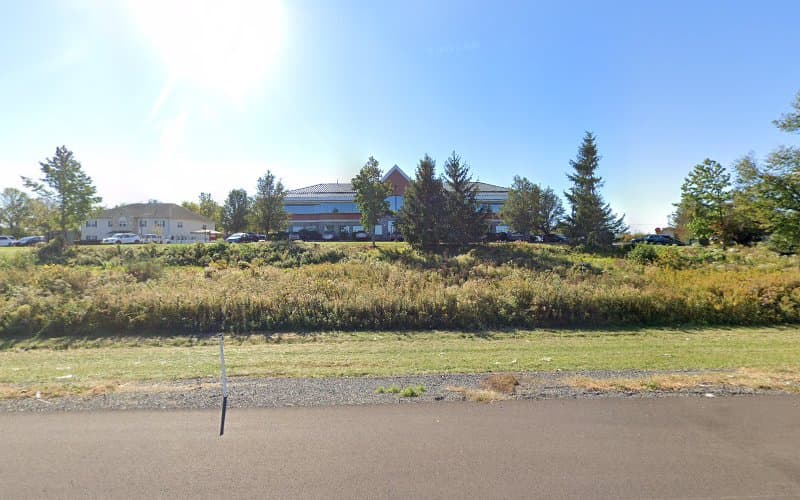
Red Beard Technology Solutions is a computer support and services provider based at 60 Gravel Pike in Collegeville, Pennsylvania. The company works primarily with small and mid-sized organizations that need ongoing technology support but do not maintain a full in-house IT department. Its work covers the everyday realities of running a networked office: keeping workstations running, maintaining servers and network equipment, managing email and cloud accounts, protecting data, and responding when something stops working.
The business can be reached at +1 833-482-3273, a toll-free number that reflects a service footprint extending beyond the immediate Collegeville area. The company maintains a website at redbeardts.com, where prospective clients can find contact forms and additional information about service offerings.
Location and Service Area
Collegeville sits in Montgomery County, roughly 30 miles northwest of Philadelphia, along the Perkiomen Creek corridor. Gravel Pike (Route 29) is one of the main north to south routes through this part of the county, connecting Collegeville with Schwenksville, Zieglerville, and points toward Green Lane. The location places Red Beard Technology Solutions within convenient reach of the medical offices, professional practices, light manufacturers, nonprofits, and service businesses clustered throughout the Route 422 and Route 29 corridors.
Surrounding communities that fall naturally within a short drive include Trappe, Royersford, Phoenixville, Limerick, Skippack, Harleysville, Lansdale, Norristown, King of Prussia, and Pottstown. For clients in these areas, on-site visits are practical when a problem cannot be resolved remotely, which matters for issues involving physical hardware, cabling, networking equipment, or new office buildouts.
The property offers a wheelchair accessible parking lot, which is useful information for clients dropping off equipment or attending meetings in person.
Managed IT Services
The core of the business is managed IT service, an arrangement in which a provider takes responsibility for the ongoing health of a client's technology environment rather than being called in only after something breaks. Under this model, the provider typically monitors systems continuously, applies patches and updates, tracks the age and condition of hardware, and flags problems before they escalate into outages.
Work commonly handled under a managed services agreement includes:
- Remote monitoring of servers, workstations, and network devices
- Operating system and application patch management
- Antivirus and endpoint protection deployment and oversight
- Backup configuration, verification, and restoration testing
- User account administration, onboarding, and offboarding
- Printer, scanner, and peripheral troubleshooting
- Vendor coordination with internet providers, phone carriers, and software publishers
- Hardware and software inventory tracking with replacement planning
For many offices, the practical value of this arrangement is predictability. A flat monthly cost replaces unpredictable hourly billing, and the provider has an incentive to prevent problems rather than simply respond to them.
Help Desk and Technical Support
Day to day support is the function most employees at a client organization actually experience. This includes password resets, email problems, connectivity issues, software errors, printing failures, file access questions, and the wide range of small disruptions that interrupt work. Most of these can be resolved remotely through screen sharing and remote management tools, which shortens the time between a report and a fix.
When an issue involves hardware failure, a physical network problem, or a new installation, on-site service becomes necessary. Being located in Collegeville allows the company to dispatch technicians to nearby offices without long travel times.
Cybersecurity and Data Protection
Security has become a central part of IT support for organizations of every size. Small businesses are frequently targeted by phishing campaigns, credential theft, business email compromise, and ransomware, in part because attackers assume defenses will be thinner than at large enterprises. Typical protective work in this category includes:
- Firewall configuration and management
- Multi-factor authentication rollout across email and critical applications
- Email filtering to reduce spam and phishing attempts
- Endpoint detection and response tooling
- Security awareness training so staff can recognize suspicious messages
- Access control reviews and least-privilege policies
- Offsite and immutable backups designed to survive a ransomware event
Organizations in regulated fields such as healthcare, finance, and legal services often have specific documentation and compliance obligations, and IT providers frequently assist with the technical controls and records those frameworks require.
Cloud Services and Infrastructure
Many offices now run some combination of on-premises equipment and cloud platforms. Common work in this area includes migrating email to Microsoft 365 or Google Workspace, configuring file storage and sharing, setting up collaboration tools, deploying virtual desktops, and building remote access for staff working from home or from client sites. Providers also handle the less visible parts of cloud work: licensing management, tenant security settings, data retention policies, and integration between applications.
On the infrastructure side, services generally cover server installation and maintenance, structured cabling, wireless network design, switch and router configuration, and VoIP phone system deployment. Office relocations and expansions are a frequent driver of this kind of project work, since a move requires planning for cabling, internet circuits, equipment transport, and reconfiguration, all on a schedule that minimizes downtime.
Consulting and Technology Planning
Beyond support and maintenance, IT providers often serve as an outside advisor on technology decisions. That can mean evaluating software options, budgeting for hardware replacement cycles, assessing whether existing systems can support planned growth, or developing a disaster recovery plan that defines how quickly operations must be restored after an incident. For organizations without a technology leader on staff, this advisory function fills a real gap between the day to day help desk and executive decision making.
Practical Information
- Address: 60 Gravel Pike, Collegeville, PA 19426, United States
- Phone: +1 833-482-3273
- Website: redbeardts.com
- Business category: computer support and services
- Accessibility: wheelchair accessible parking lot
Organizations considering a new IT provider generally begin with an assessment conversation covering current systems, existing pain points, number of users and devices, software in use, security posture, and backup arrangements. That discussion establishes the scope of work and the structure of any ongoing agreement. Prospective clients are encouraged to contact the company by phone or through its website to discuss requirements, response expectations, and service options.