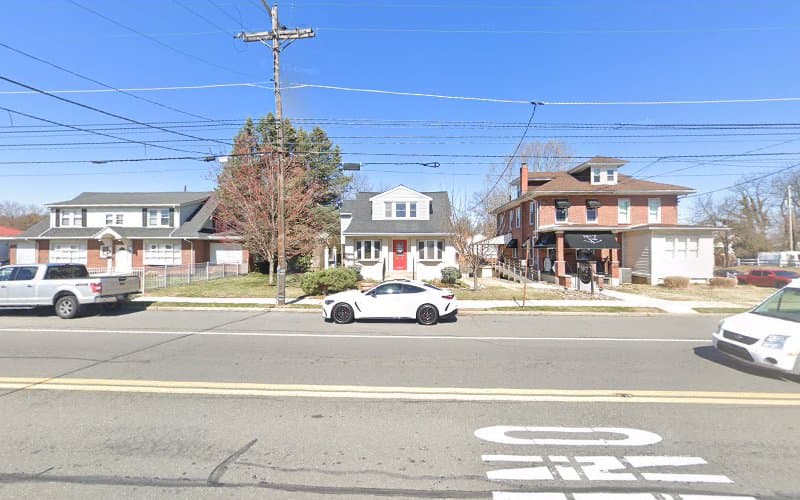
Resurgent Payments is a payments consulting business located at 1357 Perkiomen Avenue in Reading, Pennsylvania. The company operates in the merchant services sector, working with business owners on the systems and agreements that allow them to accept card and electronic payments from customers. Rather than functioning as a retail storefront, the business is organized as a consultancy, meaning much of its work involves reviewing existing processing arrangements, explaining fee structures, and helping merchants select and configure equipment and software suited to how they actually transact.
The company can be reached at +1 888-981-9832, a toll-free number that indicates a client base extending beyond the immediate Reading area.
What a Payments Consultant Does
Payment processing is one of the more opaque areas of small business operations. A typical merchant statement can include interchange rates set by the card networks, assessments, processor markups, gateway fees, PCI compliance charges, monthly minimums, batch fees, and equipment leasing costs. Many owners sign an agreement once, at the time they open, and never revisit it even as their sales volume, average ticket size, or sales channels change substantially.
Consultants in this field generally address that gap. Common areas of work include:
- Statement analysis, in which an existing processing statement is broken down line by line so the merchant can see the effective rate they are actually paying
- Pricing model comparison, including interchange-plus, tiered, and flat-rate structures, and how each behaves at different volumes and card mixes
- Merchant account setup and underwriting support, including documentation for businesses in industries that require additional review
- Point of sale hardware and software selection, from countertop terminals to tablet-based systems and integrated registers
- Payment gateway and virtual terminal configuration for online, phone, and mail order sales
- Mobile and wireless acceptance for businesses that operate at markets, job sites, or customer locations
- Recurring billing and invoicing tools for subscription, membership, and service-contract businesses
- Surcharging and cash discount program guidance, along with the compliance rules and disclosure requirements attached to them
- Chargeback and dispute response procedures
- PCI DSS compliance questionnaires, scanning requirements, and the practical steps involved in maintaining validation
- ACH and electronic check acceptance for businesses that invoice other businesses
Industries Commonly Served
Merchant services work tends to be organized by industry, because acceptance needs differ sharply from one category to the next. Restaurants require tip adjustment, table management, and fast batch settlement. Retailers need inventory integration and barcode scanning. Professional service providers may care most about invoicing, stored credentials, and remote payment links. Contractors and home service companies often need mobile acceptance and deposit collection. Medical, dental, and veterinary practices deal with patient payment plans and card-on-file arrangements. Nonprofits and membership organizations look for donation forms and recurring giving. A consultancy that works across these categories is generally positioned to recommend equipment and pricing structures that match the transaction patterns of a given trade rather than applying a single template to every client.
Location and Service Area
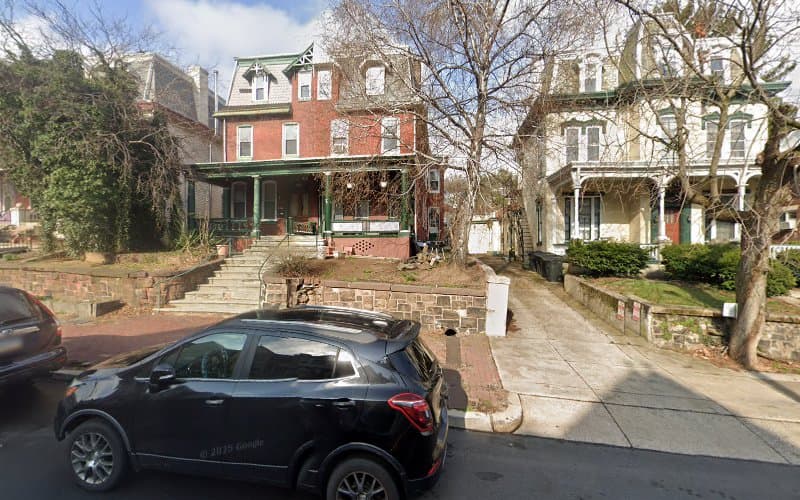
The Perkiomen Avenue address places the business in Reading, the county seat of Berks County and the largest city in southeastern Pennsylvania outside the Philadelphia and Lehigh Valley metropolitan cores. Perkiomen Avenue is a principal corridor running east from central Reading, passing through mixed commercial and residential blocks and connecting toward Mount Penn, Exeter Township, and points along the Route 422 corridor. The surrounding trade area includes a dense mix of independent retailers, restaurants, auto and trade services, and professional offices, along with the broader Berks County business community in places such as Wyomissing, Shillington, Sinking Spring, Birdsboro, Kutztown, and Boyertown.
Because payment consulting can be conducted remotely through screen sharing, document exchange, and shipped equipment, businesses of this type frequently serve clients well outside their home county. The toll-free contact number and web-based inquiry form suggest a model that accommodates both in-person meetings with regional merchants and remote engagements with clients elsewhere in Pennsylvania and beyond.
Practical Information for Prospective Clients
Merchants who want to make productive use of a first conversation with a payments consultant usually benefit from having a few items on hand:
- One to three recent processing statements, ideally including a high-volume month, so the effective rate can be calculated accurately
- Current monthly card volume and average transaction size
- A breakdown of how payments arrive, meaning card present, keyed, online, or invoiced
- Details of the current terminal or point of sale system, including whether it is owned, leased, or financed
- The remaining term of any existing processing or equipment agreement, along with any early termination provisions
- Business formation documents, bank account information, and ownership identification, which underwriting typically requires for a new account
Merchants should also be aware that equipment compatibility matters. Terminals are often locked to a specific processing platform, which means switching providers can require reprogramming or replacement hardware. Asking about equipment ownership, portability, and what happens to a terminal if the relationship ends is a reasonable part of any due diligence process.
Industry Context
The payments landscape has changed considerably over the past decade. EMV chip liability shifted in 2015, moving fraud responsibility toward whichever party had the less secure technology. Contactless tap payments and mobile wallets moved from novelty to routine. Tokenization and point-to-point encryption became standard tools for reducing the scope of a merchant's compliance obligations. Meanwhile, integrated software vendors began bundling payments directly into scheduling, ordering, and practice management platforms, giving merchants more options but also more complexity to evaluate.
That complexity is a large part of why independent consulting has a role in this market. A business owner comparing offers often faces quotes that are not structured the same way, which makes direct comparison difficult without converting everything to a common measure such as effective rate. Consultants who work through that arithmetic with clients, and who explain the trade-offs between lower stated rates and longer contract commitments, provide a service that is analytical as much as it is transactional.
Contacting the Business
Resurgent Payments can be reached by phone at +1 888-981-9832. Inquiries typically involve a brief discussion of the business type, current processing setup, and monthly volume, after which a statement review or equipment recommendation can be prepared. Businesses in the Reading and Berks County area may also arrange to discuss their needs in person.