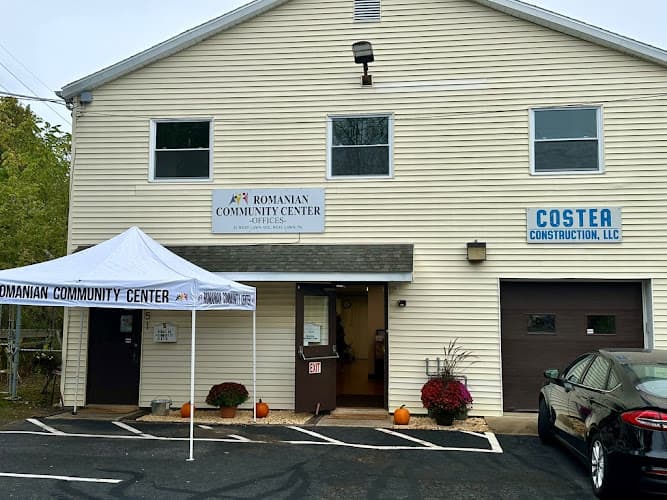
Romanian Community Center
The Romanian Community Center in West Lawn, PA, serves as a vibrant hub for cultural events, educational programs, and community gatherings.
About Romanian Community Center
Overview
The Romanian Community Center serves as a cultural and social hub for Romanian Americans and individuals of Romanian heritage residing in Pennsylvania and the surrounding region. Located at 51 West Lawn Avenue in West Lawn, Pennsylvania, the organization operates as a nonprofit community center dedicated to preserving Romanian cultural traditions, fostering community connections, and providing resources for Romanian immigrants and their descendants in the United States.
The center functions under the organizational umbrella of Romanians of Pennsylvania, as indicated by its web presence at romaniansofpa.org. This affiliation suggests a broader mission to unite Romanian communities across the Commonwealth of Pennsylvania while maintaining a physical presence in the West Lawn area of Berks County.
Location and Accessibility
West Lawn is an unincorporated community located in Spring Township, Berks County, approximately three miles west of downtown Reading, Pennsylvania. The area has historically been home to diverse immigrant communities, and the Romanian Community Center contributes to this multicultural landscape. The facility's location along West Lawn Avenue places it within a residential and commercial corridor accessible to residents throughout the greater Reading metropolitan area.
The center maintains accessibility features for individuals with mobility limitations, including a wheelchair accessible entrance and wheelchair accessible parking facilities. These accommodations ensure that community members of all physical abilities can participate in the center's programs and events.
Romanian Immigration to Pennsylvania
Understanding the Romanian Community Center requires context about Romanian immigration patterns to Pennsylvania. Romanian immigration to the United States occurred in several distinct waves throughout the twentieth and twenty-first centuries. The earliest significant wave arrived between 1895 and 1920, when economic hardship and political instability in the Austro-Hungarian Empire prompted many Romanians to seek opportunities in American industrial centers. Pennsylvania, with its coal mines, steel mills, and manufacturing facilities, attracted substantial numbers of these early immigrants.
A second wave followed World War II, as political refugees fled the establishment of communist rule in Romania. These immigrants often arrived with higher levels of education and professional backgrounds compared to earlier economic migrants. The fall of communism in 1989 triggered another significant migration, as Romanians sought economic opportunities and family reunification in the West. More recent immigration has continued as Romania joined the European Union in 2007, though many Romanians now have additional migration options within Europe.
Community centers like the one in West Lawn serve crucial functions for each generation of immigrants, providing spaces where cultural traditions can be maintained, language skills preserved, and social networks established. For second and third generation Romanian Americans, such centers offer connections to ancestral heritage that might otherwise fade over time.
Typical Functions of Romanian Community Centers
While specific programming details for the West Lawn center would require direct inquiry, Romanian community centers in the United States typically fulfill several important roles. Cultural preservation stands as a primary function, with centers often hosting traditional holiday celebrations, folk dance performances, and educational programs about Romanian history and customs.
Language instruction represents another common service, particularly for American-born children of Romanian immigrants who may not have regular exposure to the Romanian language at home or school. Maintaining linguistic connections to the homeland enables younger generations to communicate with relatives abroad and access Romanian literature, media, and cultural materials in their original form.
Religious observance frequently intersects with Romanian community center activities, given the significant role of the Romanian Orthodox Church in Romanian cultural identity. Many community centers coordinate with local Orthodox parishes for religious celebrations, feast days, and lifecycle events that blend spiritual and cultural traditions.
Social services and immigrant assistance also fall within the purview of many Romanian community organizations. Newer immigrants may need help navigating American bureaucratic systems, finding employment, locating housing, or accessing healthcare. Community centers often serve as informal clearinghouses for such practical information, connecting recent arrivals with established community members who can provide guidance and support.
Cultural Programming and Events
Romanian cultural identity encompasses rich traditions in music, dance, cuisine, and folk arts that community centers work to preserve and transmit. Traditional Romanian folk music features distinctive instruments including the cimbalom, pan flute, and violin, often performed in ensemble settings. Folk dance traditions vary by region within Romania, with community centers sometimes hosting dance groups that teach and perform these regional styles.
Romanian cuisine represents another important cultural touchstone, with dishes like sarmale (stuffed cabbage rolls), mititei (grilled meat rolls), and cozonac (sweet bread) appearing at community gatherings and celebrations. Holiday foods hold particular significance, with specific dishes associated with Easter, Christmas, and other religious and secular observances.
Major Romanian holidays that community centers typically observe include Romanian National Day on December 1, commemorating the 1918 unification of Transylvania with Romania. Easter celebrations in the Orthodox tradition often differ in timing from Western Easter and include distinctive customs such as the preparation of red-dyed eggs and lamb dishes. Christmas observances may incorporate traditional caroling customs and foods specific to Romanian tradition.
Community Building and Social Functions
Beyond formal cultural programming, community centers serve as gathering spaces where Romanian Americans can socialize, share news from the homeland, and maintain social bonds. For immigrants, particularly those who arrived as adults, such spaces provide opportunities to speak their native language, discuss shared cultural references, and find understanding among others who have navigated similar immigration experiences.
Intergenerational connections represent a particularly valuable function of community centers. Older immigrants who arrived decades ago can share their experiences and knowledge with younger generations, while American-born Romanians can help recent arrivals understand aspects of American culture and society. These exchanges strengthen community bonds while facilitating practical knowledge transfer.
Networking opportunities also emerge naturally from community center participation. Romanian American professionals, business owners, and workers can connect with others in their fields, potentially leading to employment opportunities, business partnerships, or professional mentorship relationships.
Contact and Participation
Individuals interested in learning more about the Romanian Community Center can reach the organization by telephone at 484-706-9156 or through its website at romaniansofpa.org. The website likely provides information about upcoming events, membership opportunities, and organizational leadership.
Community centers typically welcome both Romanian Americans and others interested in Romanian culture. Non-Romanians married to Romanian Americans, individuals with professional or academic interests in Romanian culture, or simply curious neighbors often find welcoming reception at community center events. Such openness helps build bridges between Romanian American communities and the broader American society while sharing Romanian cultural contributions with wider audiences.
The Romanian Community Center in West Lawn represents one node in a broader network of Romanian American organizations across Pennsylvania and the United States. These organizations collectively work to ensure that Romanian cultural heritage remains vibrant and accessible to future generations, even as Romanian Americans become increasingly integrated into the broader fabric of American society.
Unique Details About Romanian Community Center
Accessibility
- Wheelchair accessible entrance
- Wheelchair accessible parking lot
Contact Information for Romanian Community Center
West Lawn, PA 19609
United States of America
County: Berks County
Phone: +1 484-706-9156
Website: Visit Website
Customer Reviews
No reviews yet.
Working Hours / Hours of Operation
- Monday:
- Closed
- Tuesday:
- Closed
- Wednesday:
- 5-10PM
- Thursday:
- Closed
- Friday:
- Closed
- Saturday:
- Closed
- Sunday:
- Closed
Location Map
Similar Community Centers Near West Lawn, PA
BerksConnect: everything local in Berks County, PA.
8,700+ local businesses with AI-summarized reviews, plus local guides, jobs, and what's happening around the county.