Ronnie C. Folk Paving is a paving contractor based at 716 Water Street in Shoemakersville, Pennsylvania, a small borough in northern Berks County along the Schuylkill River. The company works in the asphalt paving trade, a field that covers the construction, resurfacing, repair and maintenance of driveways, parking areas, private lanes and other paved surfaces. Customers can reach the business by phone at +1 610-562-3550.
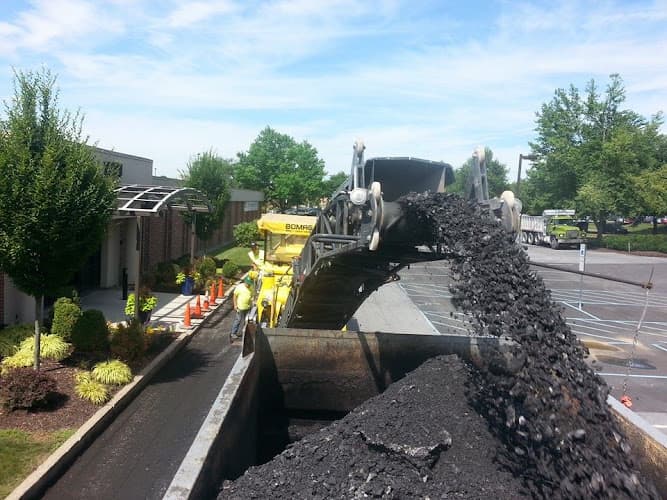
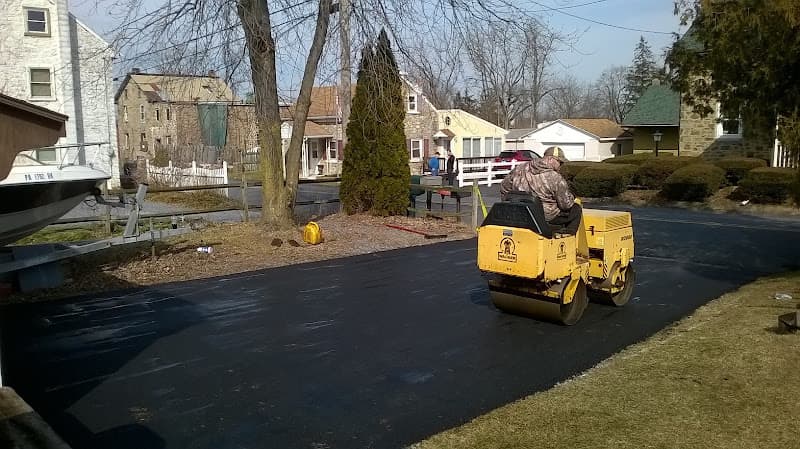
Paving contractors occupy a specific niche within the broader construction industry. Unlike general contractors, who coordinate multiple trades across a building project, a paving contractor concentrates on the ground surface itself: the grading and compaction of the subbase, the placement and compaction of hot mix asphalt, and the drainage details that determine how long that surface will last. Companies of this type typically own or operate specialized equipment such as pavers, rollers, skid steers, dump trucks and compaction plates, since the work cannot be performed with standard hand tools alone.
Location and Service Area
Shoemakersville sits along Route 61 between Reading and Hamburg, placing it within reach of a wide stretch of northern Berks County. Paving operations of this scale generally serve a regional radius rather than a single town, because asphalt must be delivered from a plant and placed while still hot. That practical constraint tends to define the working territory of any paving business, with most contractors staying within a reasonable haul distance of their asphalt supplier.
Communities in the surrounding area include Hamburg, Leesport, Mohrsville, Perry Township, Centerport, Bernville, Fleetwood, Kutztown and the greater Reading area. The region combines older borough housing stock, rural properties with long private drives, agricultural parcels and a growing number of suburban developments, each of which presents different paving requirements. Customers outside the immediate area are generally advised to call and confirm coverage before scheduling an estimate.
Typical Services in This Trade
Asphalt paving contractors in southeastern Pennsylvania commonly handle a range of related work. The specific scope offered by any individual company is best confirmed directly, but the trade as a whole includes:
- New driveway construction, including excavation, stone base installation and asphalt placement
- Resurfacing or overlay work, in which a new layer of asphalt is applied over an existing surface that remains structurally sound
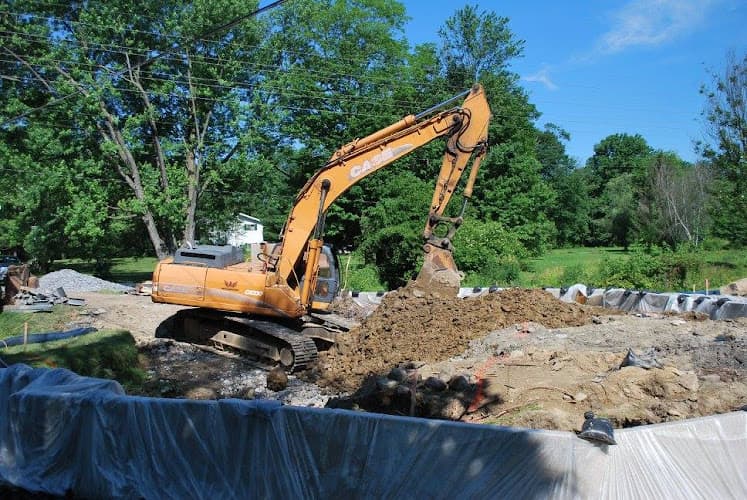
- Full depth replacement, where a failing driveway or lot is removed down to the subgrade and rebuilt
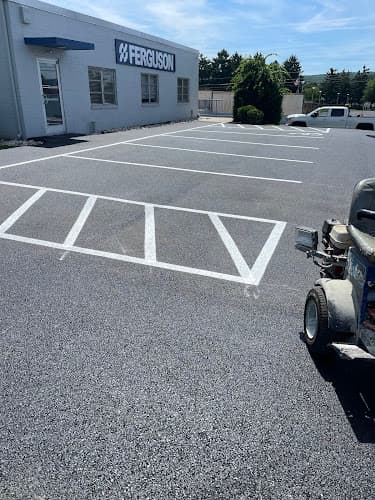
- Parking lot paving, repair and restriping for commercial and institutional properties
- Patching of potholes, alligator cracking and edge deterioration
- Sealcoating and crack filling as preventive maintenance
- Grading, drainage correction and stone or millings driveways for rural properties
- Apron and curb work where a driveway meets a public road
Rural Berks County properties often require additional attention to water management. Long driveways that cross sloped ground need proper crowning, swales or pipe to move runoff away from the surface, since standing water is one of the primary causes of premature asphalt failure. Contractors familiar with the local terrain tend to plan for this at the grading stage rather than treating it as an afterthought.
Materials and Construction Basics
Most residential driveways in Pennsylvania are built with a compacted aggregate base topped by one or two lifts of hot mix asphalt. A common residential specification calls for several inches of crushed stone beneath a binder course and a finer wearing course, though the exact thickness depends on soil conditions, expected traffic and site drainage. Commercial lots and areas that see delivery trucks or heavy equipment require thicker sections and more robust base preparation.
Quality in paving is largely determined by work that is not visible once the job is finished. Proper subgrade preparation, adequate compaction of the stone base, correct asphalt temperature at placement and thorough rolling all influence how a surface performs over a decade or more. Because these steps are hidden beneath the finished pavement, homeowners often find it useful to ask a prospective contractor about base depth, material specifications and compaction methods when comparing estimates.
Seasonal Considerations
Paving in Pennsylvania is a seasonal trade. Hot mix asphalt plants in the region generally operate from spring through late fall, and most contractors schedule the bulk of their work between April and November. Cold ground temperatures cause asphalt to cool too quickly for proper compaction, which is why paving work tapers off in winter. Sealcoating has an even narrower window, since the emulsions used require warm, dry conditions to cure correctly.
This seasonality has practical consequences for customers. Schedules tend to fill during the summer months, and weather delays are common, since rain prevents both paving and sealcoating. Property owners planning a driveway replacement often benefit from requesting estimates early in the season rather than waiting until midsummer.
Working With a Paving Contractor
The process usually begins with a site visit and a written estimate. During that visit, the contractor measures the area, evaluates the condition of any existing surface, checks drainage patterns and discusses access for trucks and equipment. For a resurfacing project, the assessment focuses on whether the existing base is still stable. If the underlying stone has failed or the surface shows widespread structural cracking, a full replacement is generally the more durable option.
Once work is scheduled, most residential driveway projects are completed in one to a few days depending on scope, with excavation and base preparation preceding the paving itself. New asphalt is typically kept free of vehicle traffic for a short curing period, and full hardening continues over the following months. Contractors usually provide care instructions covering when to drive on the surface, how to avoid scuffing from sharp turns, and when the first sealcoat should be applied.
Practical Information
Ronnie C. Folk Paving can be contacted by telephone at +1 610-562-3550. The business address is 716 Water Street, Shoemakersville, PA 19555. As with any construction project, prospective customers may wish to confirm insurance coverage, discuss material specifications in writing and ask about the expected timeline before work begins.
For property owners in northern Berks County, a locally based paving contractor offers the advantage of familiarity with regional soil conditions, township permitting requirements where applicable, and the freeze and thaw cycles that shape how pavement performs in this part of Pennsylvania.