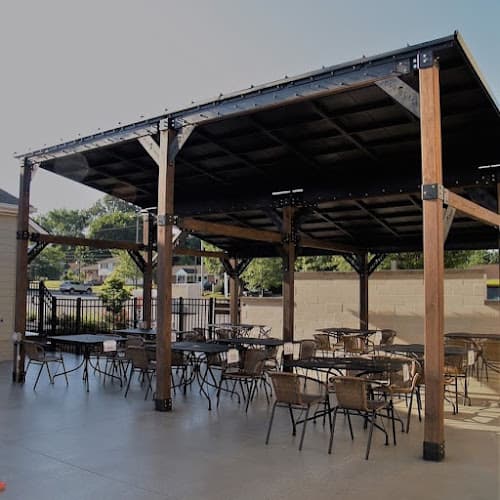
Special Projects Company
Special Projects Company is a modular home builder offering innovative and customizable solutions for modern housing needs.
About Special Projects Company
Overview of Special Projects Company
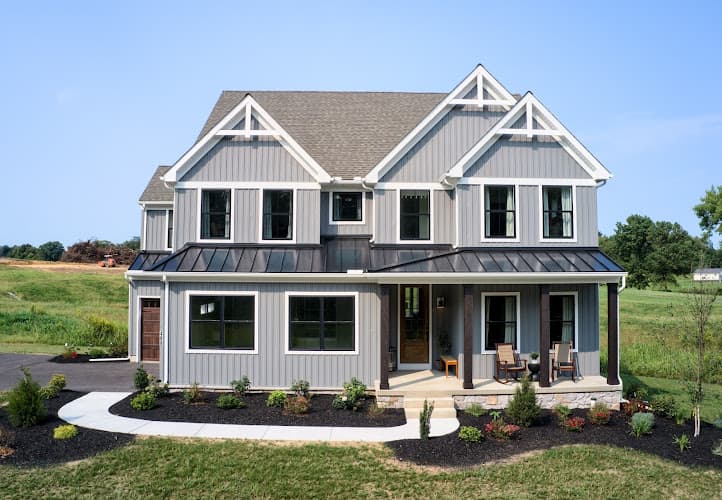
Special Projects Company is a modular home builder operating in Pennsylvania. The company specializes in the construction and delivery of modular homes, which are residential structures built in sections at a manufacturing facility before being transported to a building site for final assembly. This construction method represents an alternative to traditional stick-built homes and has gained traction in the housing market due to its potential for reduced construction timelines and controlled manufacturing environments.
Understanding Modular Home Construction
Modular construction differs fundamentally from conventional on-site building methods. In this process, individual modules or sections of a home are constructed indoors at a factory facility, where weather delays do not impact the building schedule and quality control measures can be consistently applied. These modules are built to meet or exceed the same building codes required for site-built homes, including local, state, and regional specifications. Once completed, the modules are transported by truck to the home site, where they are set on a permanent foundation and joined together to create the finished structure.
This construction approach should not be confused with manufactured homes, which are built to federal HUD codes and typically remain on a steel chassis. Modular homes, by contrast, are constructed to the same International Residential Code standards as traditional homes and become permanently affixed to real property. This distinction has implications for financing, insurance, and long-term property values.
Services and Capabilities
As a modular home builder, Special Projects Company works with clients through the various stages of modular home acquisition and construction. This process typically encompasses several key phases that distinguish modular building from conventional construction.
The initial phase generally involves design selection or customization. Modular home builders typically offer a range of floor plans and designs that can be modified to meet individual preferences. These may range from modest single-story designs to larger multi-story homes with varied architectural styles. The modular construction method allows for considerable flexibility in layout and features, though certain structural considerations inherent to the manufacturing and transportation process may influence design parameters.
Site preparation represents another critical component of modular home construction. Before modules arrive, the building site must be prepared with appropriate foundation work. This may include full basements, crawl spaces, or slab foundations depending on the home design, local building requirements, and homeowner preferences. Utility connections, including water, sewer or septic, electrical service, and natural gas or propane where applicable, must also be arranged and prepared for connection to the modular structure.
The setting process involves the actual delivery and placement of modules on the prepared foundation. This phase requires coordination with transportation logistics, crane services for lifting and positioning modules, and crews trained in the specific techniques required to properly join modular sections. Following the set, finishing work connects the modules structurally and aesthetically, including joining rooflines, completing interior connections between sections, and addressing any transportation-related touch-ups.
The Pennsylvania Modular Housing Market
Pennsylvania has historically been a significant state for modular housing manufacturing and construction. The state hosts several modular home manufacturing facilities and has a substantial network of builders and dealers serving both in-state and regional markets. The climate and geography of Pennsylvania present considerations for modular home construction, including foundation requirements that account for frost lines, insulation specifications appropriate for the regional climate, and structural standards that address snow loads and other environmental factors.
The modular housing sector in Pennsylvania serves diverse market segments, from first-time homebuyers seeking affordable housing options to families looking for larger homes in suburban or rural settings. The construction method has also found application in replacement housing for aging structures, vacation and second homes, and housing in areas where construction labor availability may be limited.
Considerations for Prospective Modular Home Buyers
Individuals considering modular home construction should understand several factors that influence the process and outcome. Land acquisition and preparation represent significant components of the overall project that exist outside the modular structure itself. Buyers must either already own suitable land or identify and purchase property appropriate for their intended home. Zoning regulations, soil conditions, access for delivery vehicles and cranes, and utility availability all factor into site suitability.
Financing for modular homes typically involves construction loans that convert to permanent mortgages, similar to financing for site-built homes. The modular construction timeline, while generally shorter than conventional building, still requires coordination between manufacturing schedules, site preparation, and setting dates. Weather conditions, while not affecting the factory construction phase, can impact site work and the setting process.
Customization options vary among modular builders and manufacturers. While the modular method offers considerable flexibility, certain modifications may affect pricing, manufacturing timelines, or structural feasibility. Understanding the range of standard options versus custom modifications helps buyers make informed decisions about their home design.
Quality and Standards in Modular Construction
Modular homes constructed in Pennsylvania must comply with applicable building codes, which are enforced through inspection processes that occur both at the manufacturing facility and at the building site. Factory inspections verify that construction meets code requirements during the building process, while local inspections at the site address foundation work, utility connections, and the final assembly of the structure.
The controlled factory environment in which modular homes are constructed offers certain quality control advantages. Materials are stored indoors, protected from weather exposure during construction. Standardized processes and oversight within the manufacturing facility can contribute to consistent construction quality. However, as with any construction method, the final quality of a modular home depends on the standards maintained by the specific manufacturer and builder involved in the project.
Contact Information
Special Projects Company can be reached by telephone at +1 717-721-0423. The company operates in Pennsylvania and serves clients interested in modular home construction. Prospective customers typically initiate contact to discuss their housing needs, learn about available designs and options, and understand the process and timeline for modular home construction in their specific circumstances.
Those interested in exploring modular housing options are generally advised to research multiple builders, visit model homes or completed projects where possible, and thoroughly understand the scope of services included in any proposal. As with any significant construction project, clear communication about expectations, timelines, and responsibilities helps ensure a successful outcome for all parties involved.
Contact Information for Special Projects Company
Customer Reviews
No reviews yet.
Working Hours / Hours of Operation
- Monday:
- Open 24 hours
- Tuesday:
- Open 24 hours
- Wednesday:
- Open 24 hours
- Thursday:
- Open 24 hours
- Friday:
- Open 24 hours
- Saturday:
- Open 24 hours
- Sunday:
- Open 24 hours
Location Map
Similar Home Builders Near , PA
BerksConnect: everything local in Berks County, PA.
8,700+ local businesses with AI-summarized reviews, plus local guides, jobs, and what's happening around the county.