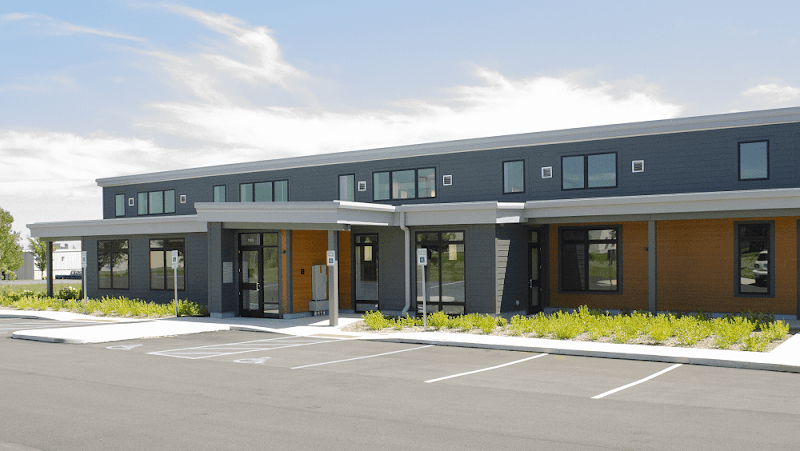
Sustainable Energy Fund, commonly referred to as SEF, is a nonprofit organization headquartered at 4250 Independence Drive, Suite 100, in Schnecksville, Pennsylvania. The organization works at the intersection of finance, education, and public policy, with a focus on helping households, businesses, farms, schools, municipalities, and other nonprofit institutions adopt clean energy technologies and reduce the amount of energy they consume. Rather than selling equipment or installation services, SEF functions as a resource organization: it lends money for qualifying projects, provides technical information, runs educational programming, and participates in regulatory proceedings that affect energy customers.
Origins in Pennsylvania Electric Restructuring
Sustainable energy funds in Pennsylvania trace their beginnings to the restructuring of the state's electric utility industry in the late 1990s, when the Pennsylvania Public Utility Commission approved settlements that allowed customers to choose their electricity generation supplier. Those settlements set aside money to support renewable energy and energy conservation in each major utility territory, and separate independent funds were created to administer the dollars. Sustainable Energy Fund emerged from that framework and has operated for roughly a quarter century as an independent nonprofit governed by a volunteer board.
Because of that origin, the organization's work has long been tied to the eastern and central Pennsylvania region served by PPL Electric Utilities, an area that includes the Lehigh Valley, the Poconos, the Susquehanna Valley, and portions of the northern and southern tiers of the state. Over time SEF's educational and advocacy activities have reached a broader statewide and regional audience, while its financing programs remain rooted in serving Pennsylvania communities.
Project Financing
One of the organization's central functions is providing capital for sustainable energy projects that may have difficulty securing conventional bank financing. SEF has historically offered loans, leases, and other financing arrangements for measures such as:
- Solar photovoltaic systems for commercial, agricultural, institutional, and nonprofit properties
- Geothermal and high efficiency heating and cooling systems
- Lighting retrofits, including LED conversions in warehouses, offices, and public buildings
- Building envelope improvements such as insulation, air sealing, and window replacement
- Combined heat and power, energy storage, and other distributed generation technologies
- Controls, building automation, and equipment upgrades that lower operating costs
Because the organization is mission driven rather than profit driven, its underwriting often accounts for the long term savings a project generates, and it has worked with borrowers such as churches, fire companies, food banks, school districts, and small manufacturers that fall outside the usual lending profile. Prospective borrowers are typically asked to provide project details, cost estimates, and information about projected energy savings so that the staff can evaluate whether a proposal fits the fund's criteria. Specific terms, eligible geographies, and application requirements change over time, so contacting the office directly at 610-264-4440 or reviewing the organization's website at thesef.org is the practical first step.
Education, Training, and Public Programs
Education makes up a substantial share of SEF's activity. The organization has developed workshops, seminars, webinars, and school programming intended to explain how energy is produced, delivered, priced, and wasted. Content ranges from introductory material for students and homeowners to technical training aimed at contractors, facility managers, and energy professionals.
The organization is perhaps best known regionally for Energy Path, a multi day conference and training event it has hosted for many years. Energy Path has combined classroom style instruction, hands on technical tracks covering topics such as solar installation and building science, policy discussions, exhibitor space, and networking sessions. The event has also included student focused components, among them science fair style competitions that give young participants a chance to present projects and interact with working professionals in the energy field. Sessions have been held at college campuses and other venues in the region, with meals and outdoor gathering space built into the schedule.
Alongside formal events, staff members field questions from property owners and business operators who are trying to understand utility bills, evaluate contractor proposals, weigh the payback period on an upgrade, or sort through available incentives, tax credits, and grant programs. This kind of plain language guidance is a recurring part of the organization's day to day work.
Advocacy and Consumer Representation
Sustainable Energy Fund has also been active in Pennsylvania's regulatory arena, participating in proceedings before the Public Utility Commission on matters including rate structures, net metering rules, energy efficiency program design, interconnection standards, and alternative energy portfolio requirements. The organization's stated purpose in these cases is to remove barriers that make it harder or more expensive for customers to generate their own power or invest in conservation. For members of the public, the practical effect is that SEF often tracks policy changes closely and can explain how new rules may affect a planned project.
Location, Facility, and Access
The Schnecksville office sits in a business park setting in North Whitehall Township, Lehigh County, a short drive north of Allentown along the Route 309 corridor and convenient to Interstate 78 and the Pennsylvania Turnpike Northeast Extension. The location places the organization near the population centers of the Lehigh Valley while remaining accessible to the more rural counties to the north and west.
The property includes a wheelchair accessible entrance and a wheelchair accessible parking lot, so visitors using mobility devices can reach the building and its meeting spaces. On site parking is available for those attending meetings or appointments. Because staff regularly travel for conferences, site visits, and speaking engagements, calling ahead before stopping by is advisable.
Practical Information
- Address: 4250 Independence Drive, Suite 100, Schnecksville, Pennsylvania 18078
- Telephone: +1 610-264-4440
- Website: thesef.org
- Organization type: Nonprofit organization
- Primary activities: sustainable energy financing, education and training, technical guidance, regulatory advocacy
- Typical audiences: businesses, farms, schools, municipalities, nonprofits, students, contractors, and residential energy users
Those interested in the organization's conferences, grant opportunities, or loan programs will find current details, application materials, and event calendars posted on the website, and questions about eligibility or timing can be directed to the Schnecksville office by phone.