Museum
Toy Robot Museum
4.9(31)Reinholds
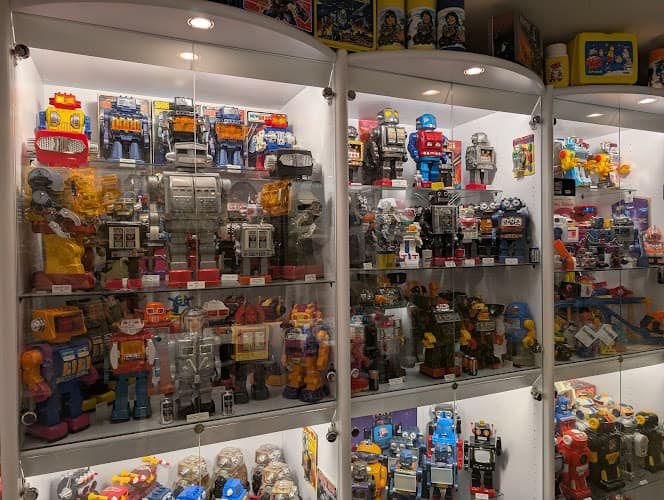
The Toy Robot Museum in Reinholds, Pennsylvania, showcases an intriguing collection of toy robots, offering visitors a unique look into robot history.
Swiss Pioneers Preservation Associates in New Holland, Pennsylvania, is a historical place museum dedicated to preserving and promoting Swiss-American heritage.
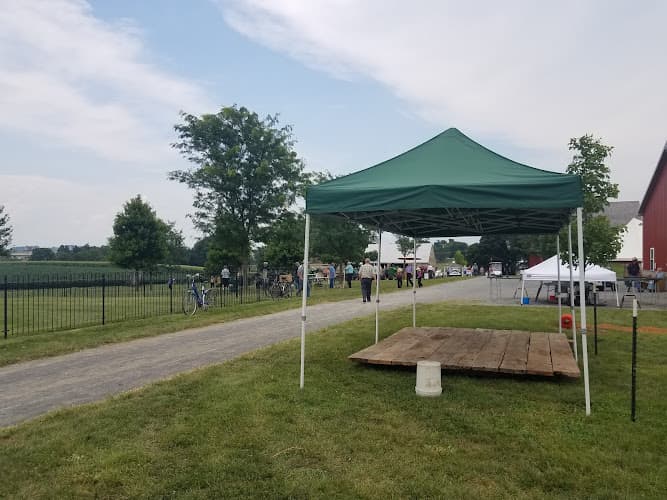
This specific demonstration is called out as a "must not miss" highlight, representing a unique and rare opportunity to see authentic historical farming methods using animal power.
Be sure not to miss the horse powered threshing, winnowing, and baling demonstrations!
Then the old time ways of processing grain. Threshing, and even baked bread from what they processed.
Multiple reviewers specifically mention the fall event as the premier time to visit, with one calling it a "must see" and describing the extensive range of activities and displays available.
Their fall demonstration is a must see!
The annual fall event boasts a variety of exhibitions of personal collections of antique hit and miss engines and various working models.
Customers consistently praise the venue for its educational content, appreciating how it teaches visitors about historical farming practices and ways of life.
Big Springs Farm was an amazing presentation of the old ways. It was very educational.
Great place to learn about the past!
Visitors are highly impressed by the variety and authenticity of live working demonstrations that bring historical farming equipment and techniques to life.
Numerous live demonstrations including antique and vintage tractors, steam engines, saw mill, hay and straw baling, corn shelling, and of course the highlight is the various threshing demonstrations!
Awesome seeing history brought to life... the old tractors, the ox even the dogs pulling a cart.
Reviewers emphasize this as an excellent multi-generational destination suitable for teaching children and families about agricultural heritage.
Bring the entire family to give them a glimpse into the farming practices of years past.
Thanks for having big spring farm days and keeping history alive for future generations
Customers appreciate the food vendors on-site, particularly highlighting the quality Pennsylvania Dutch cuisine available during events.
A lot of good food stands also.
Of course be sure not to miss the food vendors, some of the finest Pennsylvania Dutch cooking...
Swiss Pioneers Preservation Associates operates a historical place museum located at 735 Spruce Rd in New Holland, Pennsylvania. The organization functions as a living history institution dedicated to preserving and demonstrating agricultural heritage, with particular emphasis on the farming practices and equipment that shaped rural Pennsylvania communities. The museum is associated with Big Springs Farm, where visitors can observe working demonstrations of historical farming techniques that span multiple eras of American agricultural development.
New Holland, situated in Lancaster County, lies within a region historically significant for its Swiss and German immigrant populations who established farming communities beginning in the early 18th century. The preservation organization's name reflects this heritage, acknowledging the Swiss pioneers who helped develop the agricultural traditions that would define this part of southeastern Pennsylvania for generations.
The primary function of Swiss Pioneers Preservation Associates centers on maintaining knowledge of historical farming methods through active demonstration rather than static display. This approach distinguishes the organization from traditional museums where artifacts remain behind glass cases. Instead, visitors encounter working equipment and observe techniques that were once commonplace on Pennsylvania farms but have largely disappeared from modern agricultural practice.
The preservation work encompasses multiple aspects of farm life, including grain processing, animal husbandry, and the operation of mechanical equipment from various periods. By keeping these practices alive through regular demonstration, the organization serves both educational and cultural preservation purposes, ensuring that practical knowledge accumulated over centuries does not disappear entirely as industrial farming methods dominate contemporary agriculture.
The museum's programming features a range of working demonstrations that illustrate the evolution of farming technology and techniques. These demonstrations span from pre-mechanical methods relying on animal power to early industrial-era equipment that represented significant technological advances for their time.
Animal-powered demonstrations form a significant component of the museum's offerings. Visitors can observe horses performing agricultural tasks that were once essential to farm operations, including threshing, winnowing, and baling. These demonstrations require considerable expertise to execute safely and effectively, as the handlers must possess knowledge that was once common among farmers but is now relatively rare. The organization also presents demonstrations involving other working animals, including oxen and dogs trained for cart-pulling duties.
Mechanical equipment demonstrations showcase the technological progression of American farming. The collection includes antique tractors from various manufacturers and eras, allowing visitors to see these machines in operation rather than simply viewing them as static displays. Hit and miss engines, named for their distinctive operating pattern, represent another category of historical machinery that the organization maintains in working condition. These engines powered numerous farm implements before rural electrification became widespread.
Steam-powered equipment demonstrations provide insight into an era when steam technology transformed agricultural production. Steam engines drove sawmills, threshing machines, and other equipment that dramatically increased farm productivity during the late 19th and early 20th centuries. Maintaining and operating this equipment requires specialized knowledge and careful attention to safety protocols.
Grain processing demonstrations follow the complete cycle from harvested crop to finished product. Visitors can observe corn shelling, threshing operations that separate grain from stalks, and winnowing processes that remove chaff from the kernels. In some instances, the processed grain is then used to produce baked goods on site, providing a tangible connection between the historical demonstrations and everyday life.
Swiss Pioneers Preservation Associates organizes events that bring together multiple demonstrations, collectors, and food vendors. The fall heritage event represents the organization's largest annual gathering, featuring an extensive array of activities and displays. During these events, collectors bring personal collections of antique engines and working models, expanding the range of equipment available for visitors to observe.
Live performances complement the agricultural demonstrations, adding cultural programming to the historical and educational content. The combination of working demonstrations, musical or theatrical performances, and food service creates an immersive experience that engages visitors across multiple dimensions.
Food vendors present during events often feature Pennsylvania Dutch cuisine, reflecting the culinary traditions of the region's German-speaking immigrant communities. This food heritage connects directly to the agricultural practices being demonstrated, as many traditional dishes developed in response to the crops and livestock raised on local farms.
The museum accommodates families with children, providing educational experiences suitable for multiple generations. The hands-on nature of living history demonstrations tends to engage younger visitors more effectively than traditional museum settings, as children can observe actual machinery in operation and see animals performing work tasks.
Accessibility features include wheelchair accessible parking facilities, allowing visitors with mobility limitations to attend events and demonstrations. Restroom facilities are available on site. The property does not include a restaurant, though food vendors are present during scheduled events.
The museum has offered free admission for certain events, making the historical programming accessible to visitors regardless of economic circumstances. This approach aligns with the educational mission of preservation organizations, which typically seek to reach the broadest possible audience with their programming.
Lancaster County maintains strong connections to its agricultural past, with farming remaining an important economic activity alongside tourism and other industries. The region's Amish and Mennonite communities continue many traditional farming practices, providing living context for the historical demonstrations presented at preservation sites like Swiss Pioneers Preservation Associates.
New Holland itself has historical ties to agricultural equipment manufacturing, with the New Holland brand becoming internationally recognized in the farm machinery industry. This industrial heritage complements the agricultural heritage preserved by organizations focused on farming practices and equipment from earlier eras.
The preservation of agricultural heritage serves multiple purposes beyond nostalgia or entertainment. Understanding historical farming methods provides context for contemporary debates about sustainable agriculture, as many traditional practices emphasized soil conservation, crop rotation, and integrated animal husbandry in ways that modern industrial farming often does not. The practical knowledge maintained by preservation organizations may prove valuable as agricultural practices continue to evolve in response to environmental and economic pressures.
For students and educators, the museum provides primary source experiences that cannot be replicated through textbooks or digital media. Observing the physical effort required to operate historical equipment, hearing the sounds of steam engines and hit and miss motors, and watching skilled handlers work with draft animals creates understanding that passive learning methods cannot achieve.
The intergenerational appeal of the programming allows grandparents who may remember some of these practices from their own childhoods to share experiences with grandchildren who have grown up entirely in the digital age. This transmission of memory and knowledge across generations represents an important aspect of cultural preservation that extends beyond the technical aspects of farming methods.
County: Lancaster County
4.8 out of 5 stars
Based on 12 reviews
5 star reviews
4 star reviews
3 star reviews
2 star reviews
1 star reviews
Museum
The Toy Robot Museum in Reinholds, Pennsylvania, showcases an intriguing collection of toy robots, offering visitors a unique look into robot history.
Local history museum
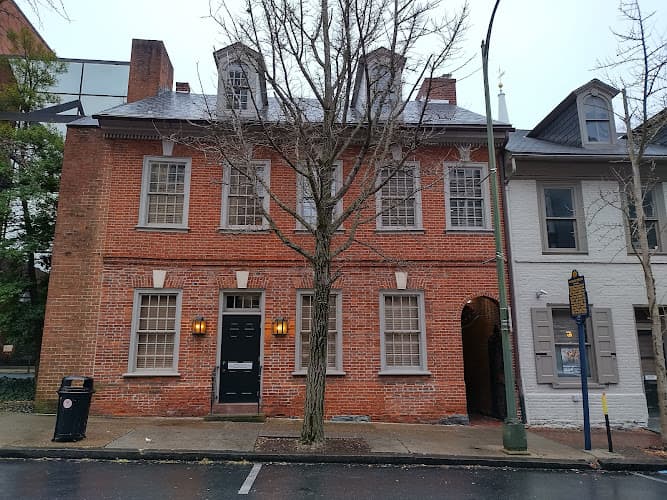
The Demuth Museum in Lancaster, Pennsylvania, is a local history museum dedicated to preserving and showcasing the artistic legacy of Charles Demuth. Visitors can explore engaging exhibits that highlight the…
Museum
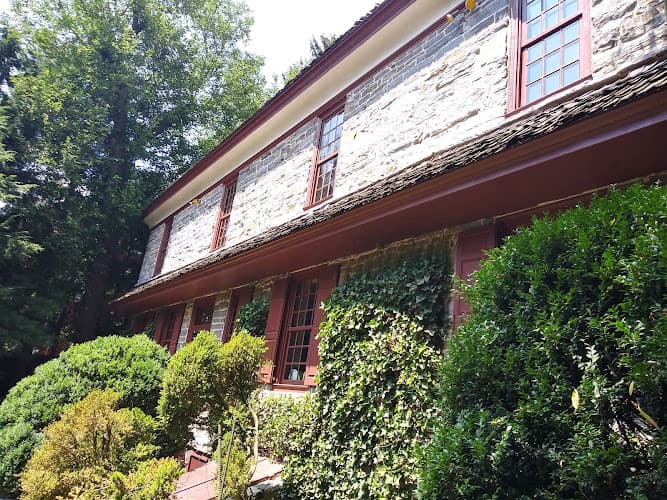
Wright's Ferry Mansion in Columbia is a museum that showcases the rich history and heritage of Pennsylvania.
Local history museum
Blue Rock Heritage Center in Washington Boro offers an immersive glimpse into local history along the Susquehanna River. This local museum serves as a hub for cultural heritage and community engagement.