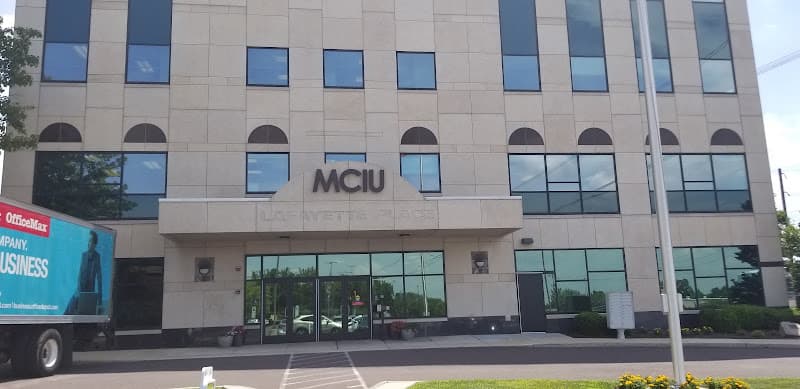
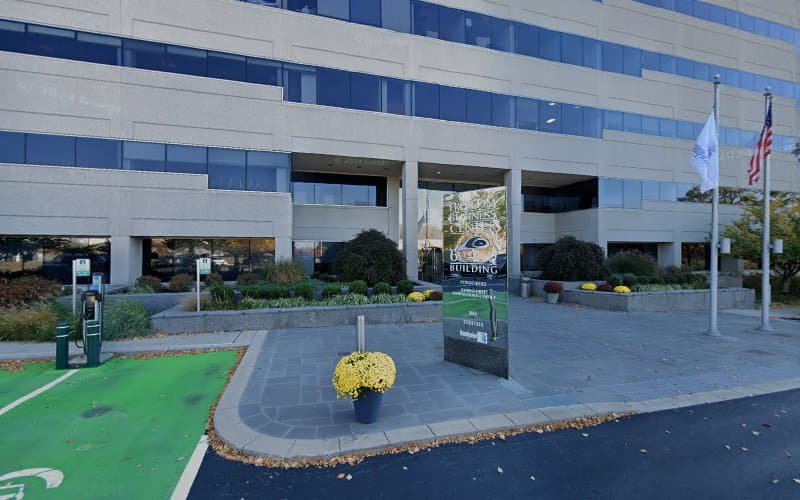
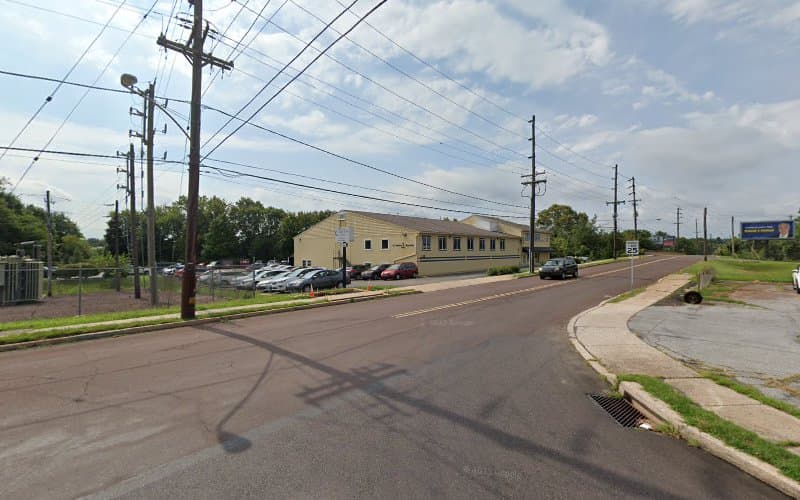
The Montgomery County Foundation, Inc. is a nonprofit organization headquartered at 4 Sentry Parkway, Suite 302, in Blue Bell, Pennsylvania. Operating within the Sentry Park West office complex in Whitpain Township, the Foundation functions as a grantmaking and philanthropic services organization serving Montgomery County and the surrounding southeastern Pennsylvania region. It can be reached by telephone at +1 484-532-7387, and additional information is available through its website at mcfoundationinc.org.
Community foundations occupy a particular niche in the nonprofit landscape. Rather than delivering direct services to the public, they typically act as intermediaries between donors who wish to support charitable causes and the operating nonprofits that carry out that work on the ground. The Montgomery County Foundation follows this model, managing charitable funds, administering grant programs, and directing resources toward organizations and initiatives that address needs within the county.
Mission and Areas of Focus
The Foundation's work centers on strengthening the quality of life for residents of Montgomery County, one of the most populous counties in Pennsylvania with more than 850,000 residents spread across 62 municipalities. Grantmaking by community foundations in this region generally addresses a broad spectrum of local need, and the Montgomery County Foundation's areas of interest have historically included:
- Health and human services, including programs that assist vulnerable populations
- Education and youth development initiatives
- Arts, culture, and historic preservation
- Community and economic development
- Environmental conservation and open space preservation
- Support for the operational capacity of local nonprofit organizations
Because the Foundation works across multiple issue areas rather than concentrating on a single cause, its grant portfolio tends to reflect the changing priorities of the county itself. Organizations seeking support are typically asked to demonstrate a clear connection to Montgomery County residents and a defined plan for how funds would be used.
How Community Foundations Operate
For individuals unfamiliar with the structure, a community foundation pools charitable contributions from many separate donors into a collection of individually named funds. These can take several forms, each suited to different philanthropic goals:
- Donor advised funds, which allow an individual, family, or business to contribute assets, receive a charitable deduction, and then recommend grants to qualified nonprofits over time
- Scholarship funds established to assist students from particular schools, communities, or fields of study
- Designated funds that provide ongoing support to one or more specific nonprofit organizations
- Field of interest funds directed toward a broad cause, such as education or the arts, with the foundation identifying appropriate grantees
- Unrestricted funds that give the foundation discretion to respond to emerging community needs
- Endowed funds structured to preserve principal and distribute investment earnings in perpetuity
This structure offers practical advantages for donors who want to be philanthropically active without the administrative burden of establishing and maintaining a private foundation. Tax filings, investment oversight, grant due diligence, and recordkeeping are handled by the foundation's staff and board. For donors interested in legacy giving, community foundations also administer bequests, charitable gift annuities, charitable remainder trusts, and gifts of appreciated securities or real property.
Location and Setting
Blue Bell is an unincorporated community within Whitpain Township, located roughly 20 miles northwest of Center City Philadelphia. The area has developed into one of Montgomery County's significant suburban business centers, with Sentry Parkway hosting professional services firms, corporate offices, and nonprofit organizations. The location places the Foundation within convenient reach of the county seat in Norristown, as well as communities including Ambler, Lansdale, Plymouth Meeting, King of Prussia, and Conshohocken.
Access to the office park is straightforward by car, with proximity to Pennsylvania Route 73 (Skippack Pike), Route 202, and the Pennsylvania Turnpike's Norristown interchange. Surface parking is available on site.
Accessibility
The Foundation's office is served by a wheelchair accessible entrance and a wheelchair accessible parking lot, making the location usable for visitors with mobility needs. Suite 302 is located within a multi-story office building with elevator access.
Who Works With the Foundation
The Foundation's constituencies fall into a few broad categories. Individual and family donors approach the organization when they want to formalize their charitable giving, often with guidance from an attorney, accountant, or financial advisor. Professional advisors themselves frequently work with community foundations as a resource when clients raise questions about charitable planning as part of estate or tax strategy.
On the other side of the relationship, nonprofit organizations across Montgomery County apply for grant support. These tend to be small and mid-sized charities, including food assistance programs, youth service agencies, arts organizations, historical societies, health clinics, and environmental groups. Community foundations often place particular value on supporting organizations that may be too small to attract attention from large national funders but that perform meaningful work locally.
Businesses and civic groups also sometimes establish funds through community foundations to organize their corporate giving or to memorialize a founder, employee, or community figure.
Practical Information for Prospective Donors and Applicants
Those considering establishing a fund generally begin with a conversation about their charitable interests, the assets they intend to contribute, and the timeframe over which they want grants distributed. Minimum contribution levels vary by fund type, and the Foundation can outline current requirements.
Nonprofit organizations interested in applying for grants should review current guidelines and deadlines, which are posted on the Foundation's website and typically follow an annual or semiannual cycle. Applicants are usually asked to provide documentation of their tax-exempt status under Section 501(c)(3) of the Internal Revenue Code, recent financial statements, a project budget, and a description of the population to be served.
Because staffing at community foundations is often modest relative to the volume of inquiries, contacting the office by phone or email in advance of an application is generally a productive first step. Appointments are advisable for in-person meetings.
Broader Role in the County
Beyond writing checks, community foundations frequently serve a convening function, bringing together nonprofit leaders, donors, and public officials around shared concerns. They also accumulate institutional knowledge about the local charitable sector, which can be valuable to donors deciding where their contributions will have the greatest effect. For Montgomery County, an area that includes both affluent suburbs and communities facing real economic pressure, that kind of local knowledge helps direct philanthropic resources toward genuine need.