Twin Valley Law is a law firm located at 3821 Main St in Morgantown, Pennsylvania, in the southeastern corner of Berks County where the county lines of Berks, Chester and Lancaster meet. The practice concentrates on estate planning and estate administration, the areas of law that govern how a person's property, healthcare decisions and financial affairs are managed during life and distributed after death. The firm takes its name from the Twin Valley region, the rural and suburban corridor along Route 23 and the Pennsylvania Turnpike interchange at Morgantown that the practice primarily serves.
The firm is led by attorney Misty Toothman, who holds advanced legal credentials in taxation and estate law in addition to her law degree. That focus shapes the work the office takes on: rather than operating as a general practice handling a broad mix of unrelated matters, Twin Valley Law works almost exclusively within wills, trusts, powers of attorney, healthcare directives, probate and the tax questions that attach to transferring wealth between generations. Clients work directly with the attorney handling their file, supported by a small administrative team.
Estate Planning Services
The core of the practice is the preparation of foundational estate planning documents. For most households in Pennsylvania, that package includes a last will and testament, a financial power of attorney, a healthcare power of attorney and a living will or advance healthcare directive. Twin Valley Law drafts these documents as a coordinated set so that the people named in each one, and the authority granted to them, fit together rather than conflicting.
Beyond the basic package, the firm prepares a range of trust instruments. Common examples include revocable living trusts used to keep assets out of probate and manage property if the grantor becomes incapacitated, testamentary trusts created through a will for minor children or young adult beneficiaries, and irrevocable trusts used for asset protection and long term care planning. The office also handles beneficiary designation reviews, which matter a great deal in Pennsylvania because retirement accounts, life insurance policies and transfer on death registrations pass outside of a will entirely.
One area the firm is particularly recognized for is special needs planning. A special needs trust, sometimes called a supplemental needs trust, allows a family to leave money for a disabled child, grandchild or sibling without disqualifying that person from means tested public benefits such as Supplemental Security Income and Medical Assistance. These trusts require careful drafting and an understanding of both federal benefit rules and Pennsylvania trust law. Families planning across multiple generations, including grandparents who want to provide for a grandchild with a disability, are a recurring part of the firm's caseload.
Estate Administration and Probate
The second half of the practice involves representing executors, administrators and families after a death. Pennsylvania probate is handled at the county level through the Register of Wills, and the process differs in detail from county to county. Twin Valley Law assists personal representatives with opening the estate, obtaining letters testamentary or letters of administration, advertising the estate as required by law, inventorying and valuing assets, paying creditors, and preparing the Pennsylvania inheritance tax return.
The Pennsylvania inheritance tax is an area where the firm's tax background is directly relevant. Unlike a federal estate tax that applies only to very large estates, Pennsylvania imposes inheritance tax on nearly every estate, with rates that vary depending on the relationship between the decedent and the beneficiary: zero percent for a surviving spouse, four and a half percent for lineal descendants such as children and grandchildren, twelve percent for siblings and fifteen percent for most other heirs. There is a discount for early payment, and there are classification questions that can meaningfully change what an estate owes. The firm also handles estates complicated by out of state property, business interests, disputed claims, missing heirs, or the administration of several related estates in sequence, a situation that often arises when two parents die within a short span of one another.
How the Firm Operates
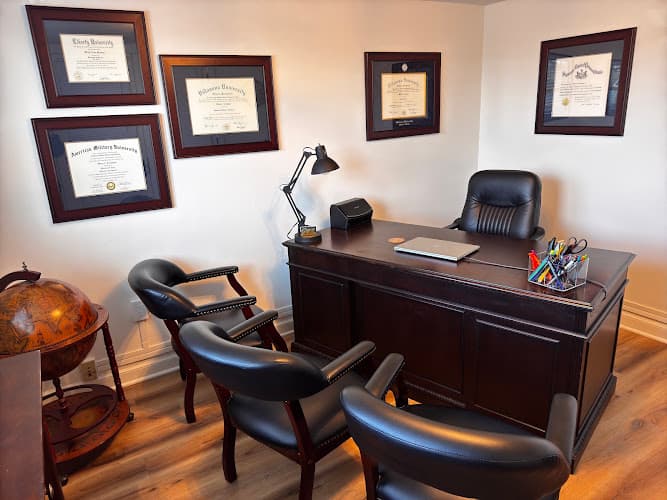
Twin Valley Law is structured around a flexible meeting model rather than a conventional office visit. Intake often begins with an online questionnaire that gathers family details, asset information and the client's goals before the first conversation. Consultations can be conducted by video conference, by phone or in person, and the firm is known for traveling to clients for the final review and execution of documents, including meeting at a client's home when that is easier. This matters practically for older clients, clients with mobility limitations, couples coordinating schedules around work, and families dealing with a recent illness or death.
Document signings in Pennsylvania require attention to formality. Wills must be signed properly, powers of attorney require witnesses and notarization, and errors at signing can undermine an otherwise well drafted document. Handling execution in person, wherever that happens to be, is part of how the firm manages that risk.
Location, Access and Service Area
The Morgantown address sits along Main Street in Caernarvon Township, close to the Route 10 and Route 23 corridors and the Interstate 76 and Interstate 176 interchanges. That position makes the office reachable from Reading, Lancaster, Coatesville, Downingtown, Elverson, Honey Brook, Birdsboro, New Holland and the surrounding townships. Because much of the firm's work can be conducted remotely, clients elsewhere in Pennsylvania, and families living out of state who are administering a Pennsylvania estate, are also served.
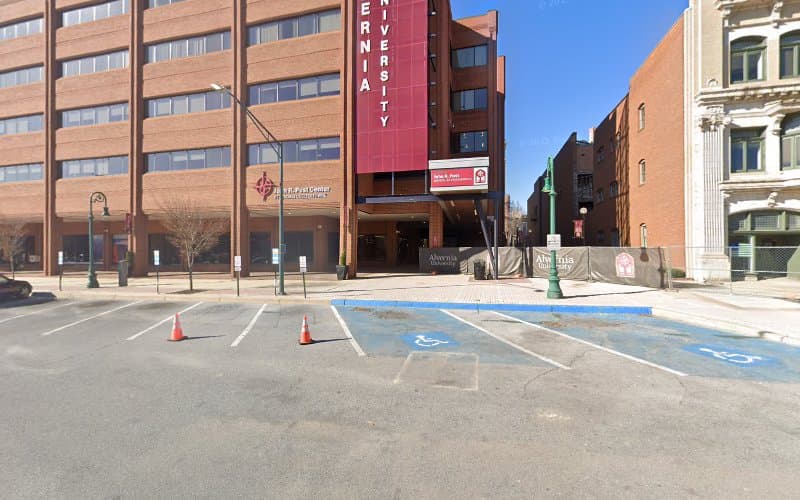
The location offers a wheelchair accessible entrance and a wheelchair accessible parking lot.
Practical Information
- Address: 3821 Main St, Morgantown, PA 19543
- Telephone: +1 484-229-9350
- Website: www.twinvalleylaw.com
- Practice areas: wills, trusts, powers of attorney, advance healthcare directives, special needs trusts, asset protection planning, probate and estate administration, Pennsylvania inheritance tax matters
- Meeting options: in office, video conference, telephone and in home appointments
- Accessibility: wheelchair accessible entrance and parking
What to Bring to a First Meeting
Clients beginning an estate plan generally find it useful to assemble a list of assets and roughly what each is worth, including real estate, bank and brokerage accounts, retirement plans, life insurance and any business interests. It also helps to have thought in advance about who should serve as executor, agent under a power of attorney and healthcare representative, and who the beneficiaries should be. For estate administration matters, the original will, the death certificate, recent account statements and property deeds are the usual starting documents. None of this needs to be complete before an initial call, and the firm's intake process is designed to work through the gaps.