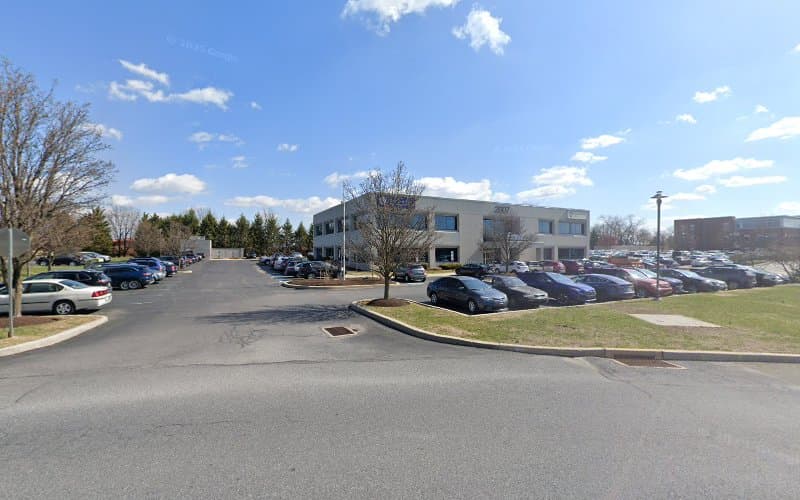
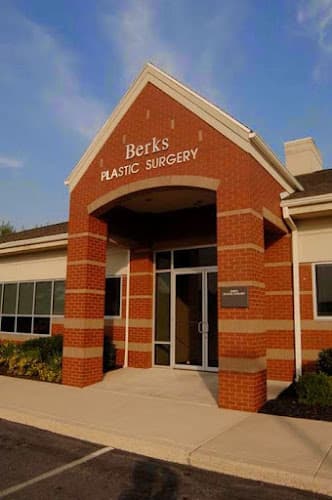
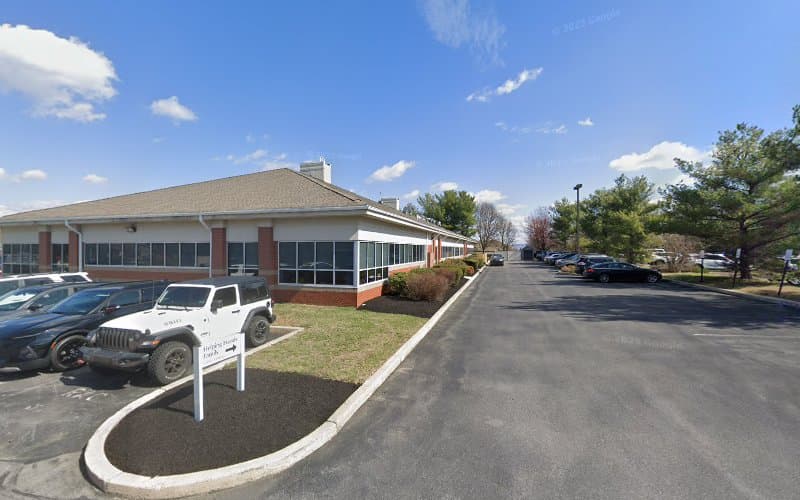
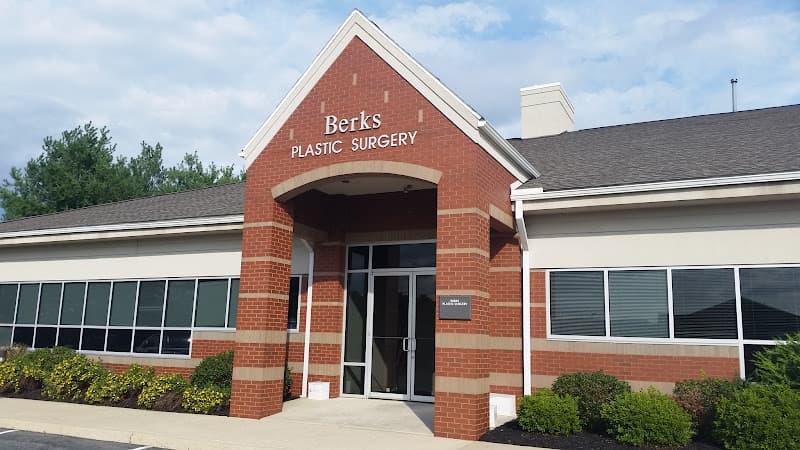
Ultrasound Testing is a medical clinic located at 2607 Keiser Boulevard in Reading, Pennsylvania. The facility operates within the healthcare sector, providing diagnostic imaging services to patients in the Reading metropolitan area and surrounding Berks County communities. As a specialized clinic focused on ultrasound technology, the practice serves an important role in the regional medical infrastructure by offering non-invasive diagnostic examinations that physicians rely upon for patient assessment and treatment planning.
Understanding Ultrasound Diagnostic Services
Ultrasound imaging, also known as sonography, represents one of the most widely used diagnostic tools in modern medicine. The technology utilizes high-frequency sound waves to produce real-time images of internal body structures, including organs, blood vessels, and developing fetuses. Unlike X-rays or CT scans, ultrasound examinations do not involve ionizing radiation, making them particularly suitable for repeated use and for examining pregnant patients.
Medical clinics specializing in ultrasound services typically offer a range of examination types. Abdominal ultrasounds allow physicians to visualize organs such as the liver, gallbladder, kidneys, pancreas, and spleen. Pelvic examinations provide imaging of the bladder, uterus, and ovaries in female patients, or the prostate and seminal vesicles in male patients. Obstetric ultrasounds monitor fetal development throughout pregnancy, while vascular studies assess blood flow through arteries and veins to detect conditions such as deep vein thrombosis or arterial blockages.
Additional ultrasound applications include thyroid imaging, breast examinations as a complement to mammography, cardiac echocardiography to evaluate heart function, and musculoskeletal studies to examine tendons, ligaments, and joints. The versatility of ultrasound technology makes dedicated imaging centers valuable resources for referring physicians across multiple medical specialties.
Location and Accessibility
The clinic's position on Keiser Boulevard places it in the western portion of Reading, within the 19610 zip code area. Keiser Boulevard serves as a significant commercial corridor in this section of the city, providing straightforward access for patients traveling from various parts of Berks County. The boulevard connects to major regional roadways, facilitating travel from neighboring municipalities including Wyomissing, Shillington, and West Reading.
Reading itself functions as the county seat and largest city in Berks County, with a population that has historically relied on a network of medical facilities ranging from major hospital systems to specialized outpatient clinics. The presence of dedicated diagnostic imaging centers like Ultrasound Testing contributes to the accessibility of healthcare services for area residents, potentially reducing wait times compared to hospital-based imaging departments and offering a focused clinical environment for specific diagnostic needs.
The Role of Specialized Imaging Centers
Freestanding medical imaging facilities have become increasingly common components of the American healthcare landscape over recent decades. These specialized centers often develop particular expertise in their area of focus, with sonographers and technologists who perform ultrasound examinations throughout their working hours rather than rotating through various imaging modalities. This concentration of activity can contribute to proficiency in obtaining high-quality diagnostic images.
For patients, visiting a dedicated ultrasound clinic may offer certain practical advantages. Scheduling can sometimes be more flexible at specialized facilities compared to hospital imaging departments that must balance multiple types of examinations and accommodate emergency cases. The focused nature of such clinics may also create a less overwhelming environment for patients who find large medical complexes intimidating or difficult to navigate.
Physicians referring patients to ultrasound facilities rely on these centers to produce diagnostic-quality images and accurate preliminary interpretations. The relationship between referring providers and imaging centers forms an important link in the diagnostic chain, with clear communication and timely reporting contributing to effective patient care.
Ultrasound Technology and Procedures
Modern ultrasound equipment has evolved considerably since the technology first entered widespread medical use in the 1970s. Contemporary machines produce detailed images with improved resolution, and specialized transducers allow examination of specific body regions with greater precision. Three-dimensional and four-dimensional imaging capabilities have expanded the information available from certain examinations, particularly in obstetric applications where parents often appreciate the more recognizable images of developing babies.
A typical ultrasound examination begins with the patient positioned appropriately for the body region being studied. The sonographer applies a water-based gel to the skin surface, which eliminates air pockets between the transducer and the body that would otherwise interfere with sound wave transmission. The transducer is then moved across the skin while the sonographer captures images and measurements according to established protocols for the type of examination being performed.
Most ultrasound examinations require minimal preparation, though certain studies may necessitate specific steps beforehand. Abdominal examinations often require patients to fast for several hours to reduce intestinal gas and ensure the gallbladder remains distended for optimal visualization. Pelvic ultrasounds may require a full bladder to provide an acoustic window for imaging deeper structures. Patients typically receive preparation instructions when scheduling their appointments.
Integration with Regional Healthcare
Diagnostic imaging centers operate as part of a broader healthcare ecosystem, working in conjunction with primary care physicians, specialists, and hospital systems. When a physician orders an ultrasound examination, the resulting images and interpretation report become part of the diagnostic information used to guide treatment decisions. This collaborative model means that imaging facilities must maintain effective communication channels with referring providers and ensure that results reach the ordering physician promptly.
In Berks County, patients have access to multiple healthcare systems including Reading Hospital, now part of Tower Health, along with various physician practices and outpatient facilities. Specialized clinics like Ultrasound Testing contribute to the overall availability of diagnostic services in the region, providing options for patients and referring physicians when scheduling examinations.
Practical Considerations for Patients
Individuals scheduled for ultrasound examinations benefit from understanding what to expect during their visit. Appointments typically last between thirty minutes and an hour, depending on the type and complexity of the study being performed. Patients should wear comfortable, loose-fitting clothing and may be asked to change into a gown for certain examinations. Bringing relevant medical records, previous imaging studies, and a list of current medications can assist the clinical staff in providing appropriate care.
Insurance coverage for diagnostic ultrasound varies depending on the specific examination, the patient's insurance plan, and whether proper authorization has been obtained when required. Patients are generally advised to verify coverage with their insurance provider before scheduled appointments and to understand any applicable copayments or deductibles.
Following an ultrasound examination, the images are typically reviewed by a radiologist or other qualified physician who provides a formal interpretation. This report is then transmitted to the referring physician, who discusses the results with the patient and determines any necessary follow-up care or additional testing.