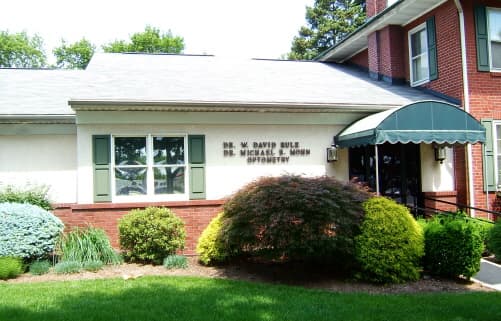
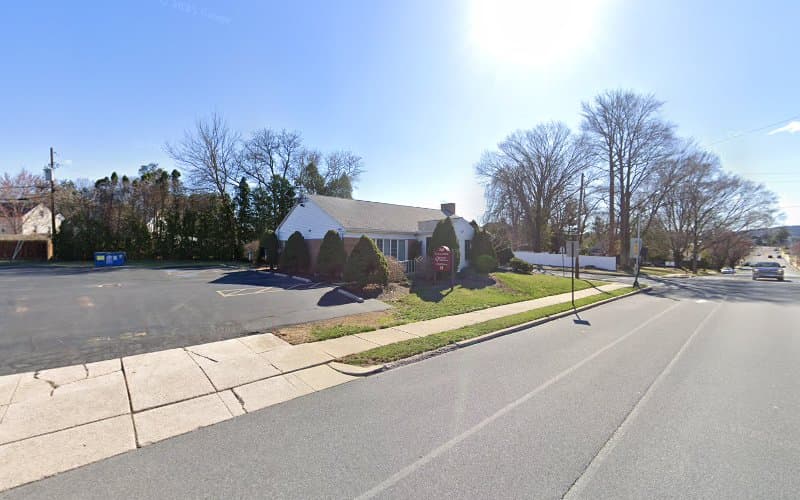
Uptown Optometric Center is an eye care practice located on South 6th Street in Reading, Pennsylvania. Operating within the 19602 zip code, the practice serves residents of Reading and the surrounding Berks County area with optometric services. As an optometrist office, the facility provides vision care services that typically encompass eye examinations, vision correction prescriptions, and the diagnosis and management of various eye conditions.
Location and Service Area
The practice is situated in the southern portion of Reading, Pennsylvania, a city with a population of approximately 95,000 residents in Berks County. Reading serves as the county seat and represents the fourth-largest city in Pennsylvania. The South 6th Street location places Uptown Optometric Center within reach of multiple Reading neighborhoods as well as nearby communities including Wyomissing, West Reading, Shillington, and other Berks County municipalities.
Reading's position along major transportation routes, including US Route 222 and US Route 422, makes businesses in the area accessible to patients traveling from throughout the region. The city's location approximately 60 miles northwest of Philadelphia means that residents have access to local eye care services without needing to travel to larger metropolitan areas for routine vision needs.
Optometric Services
As an optometric practice, Uptown Optometric Center operates within the scope of services typically provided by licensed optometrists. Optometry as a profession focuses on the examination, diagnosis, treatment, and management of diseases and disorders affecting the visual system, the eye, and associated structures. Optometrists differ from ophthalmologists in that they are doctors of optometry rather than medical doctors, though both provide essential eye care services.
Standard optometric services generally include comprehensive eye examinations, which assess visual acuity, eye coordination, eye muscle function, and overall eye health. These examinations often involve the use of various instruments and tests to evaluate different aspects of vision and ocular health. Refraction testing determines the appropriate prescription for corrective lenses, whether glasses or contact lenses.
Optometrists also screen for and manage common eye conditions such as glaucoma, cataracts, macular degeneration, and diabetic retinopathy. While some conditions may require referral to an ophthalmologist for surgical intervention, optometrists play a crucial role in early detection and ongoing monitoring of many eye diseases. This preventive aspect of optometric care helps patients maintain their vision health over time.
Contact lens services represent another significant component of optometric practice. This includes fitting patients for various types of contact lenses, from standard soft lenses to specialty lenses for conditions such as astigmatism, presbyopia, or keratoconus. Contact lens fittings require precise measurements and follow-up care to ensure proper fit and eye health.
The Role of Optometry in Community Health
Eye care practices like Uptown Optometric Center serve an important function in community health infrastructure. Regular eye examinations can detect not only vision problems but also systemic health conditions that manifest in the eyes. Diabetes, high blood pressure, certain cancers, and autoimmune conditions can all show early signs during a comprehensive eye exam, making optometrists valuable partners in overall health monitoring.
For children, early vision screening and correction are particularly important for academic success and development. Undetected vision problems can significantly impact a child's ability to learn and participate in school activities. Pediatric eye care services help identify issues such as amblyopia, strabismus, and refractive errors that, when caught early, can often be effectively treated.
For older adults, regular eye care becomes increasingly important as age-related conditions become more prevalent. Conditions such as presbyopia, cataracts, glaucoma, and macular degeneration affect a significant portion of the aging population. Routine monitoring allows for early intervention and management of these conditions, helping to preserve vision and quality of life.
Eyewear and Optical Products
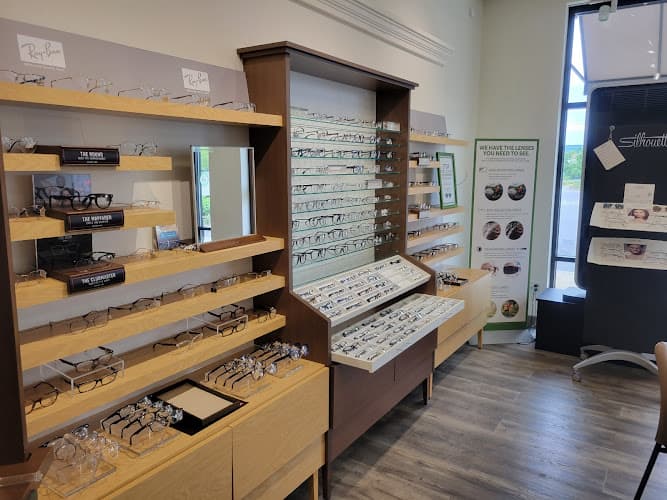
Most optometric practices, including those in the Reading area, offer optical dispensary services in addition to clinical eye care. This typically includes a selection of eyeglass frames in various styles, materials, and price points. Patients can select frames and have prescription lenses made to their specifications, with options for different lens materials, coatings, and treatments.
Lens options commonly available through optical dispensaries include single vision lenses for distance or reading, bifocal lenses that combine two prescriptions, and progressive lenses that provide a gradual transition between different focal lengths. Additional features such as anti-reflective coatings, photochromic lenses that darken in sunlight, and blue light filtering options are often available to meet specific patient needs and preferences.
Sunglasses, both prescription and non-prescription, represent another product category typically offered by optometric practices. Proper UV protection is important for long-term eye health, and prescription sunglasses allow patients who require vision correction to have appropriate eye protection during outdoor activities.
Insurance and Payment Considerations
Eye care services in the United States are typically covered through vision insurance plans, which are separate from standard medical insurance. Many employers offer vision coverage as part of their benefits packages, and individual vision plans are also available. Optometric practices generally accept a variety of vision insurance plans, though specific coverage and accepted plans vary by practice.
Medical eye conditions, as opposed to routine vision care, may be covered under standard medical insurance plans. This includes conditions such as eye infections, injuries, glaucoma, and other diseases of the eye. Patients seeking care for medical eye conditions should verify coverage with their medical insurance provider.
For patients without vision insurance, many practices offer payment options and may provide information about the costs of various services upfront. The cost of eye examinations, glasses, and contact lenses can vary significantly based on the complexity of the examination, the type of lenses required, and the frames selected.
Scheduling and Access
Uptown Optometric Center can be reached by telephone at +1 610-376-7872. Patients seeking appointments or information about services can contact the practice directly to inquire about availability, accepted insurance plans, and specific services offered. As with most medical practices, scheduling an appointment in advance is typically recommended, though policies regarding walk-in patients vary by practice.
The frequency of eye examinations recommended for patients depends on age, health status, and risk factors. Generally, adults with no known vision problems are advised to have comprehensive eye exams every one to two years, while those with existing conditions or higher risk factors may need more frequent monitoring. Children and older adults often require more regular examinations as well.
Reading, Pennsylvania Context
Reading has a rich industrial history, having been a major center for railroad and manufacturing activity in the 19th and 20th centuries. Today, the city serves as a regional hub for healthcare, education, and commerce in Berks County. The presence of healthcare providers, including optometric practices, contributes to the local infrastructure serving the needs of area residents.
The city is home to a diverse population with varying healthcare needs. Access to local eye care services means that residents can obtain routine vision care and address eye health concerns without traveling significant distances. This accessibility is particularly important for populations with limited transportation options or those requiring regular monitoring of chronic eye conditions.