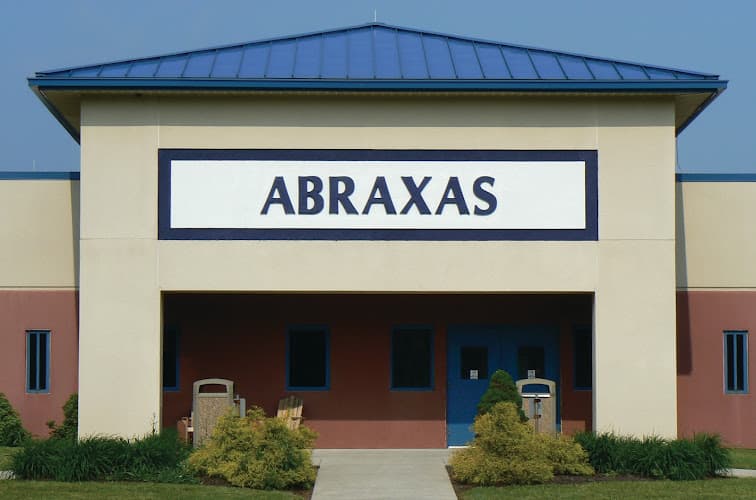
Abraxas Academy is a residential youth care and treatment facility located at 1000 Academy Drive in Morgantown, Pennsylvania, in the southeastern corner of Berks County. The campus serves adolescents placed by juvenile courts, county probation departments, child welfare agencies, and federal authorities, providing structured residential care combined with education, behavioral health treatment, and case management. It operates as part of Abraxas Youth & Family Services, a provider organization with a long history of running juvenile programs across Pennsylvania and several other states.
The Academy functions as a placement setting rather than a school or clinic that families access directly. Youth arrive through referral by a court, probation officer, caseworker, or federal placement authority, and the length of stay is generally determined by the referring agency in combination with the resident's progress through the program. Because of this, the facility's day-to-day work involves close coordination with outside stakeholders: judges, probation officers, county children and youth agencies, attorneys, and families who may live hours away.
Organizational Background
Abraxas Youth & Family Services traces its origins to the early 1970s in Pennsylvania, beginning with a wilderness-based program for adolescents with substance use problems in the northwestern part of the state. Over the following decades the organization expanded into secure and staff-secure residential treatment, shelter care, community-based services, alternative education, and detention alternatives. The Morgantown campus represents one of the larger residential sites in that network and was developed specifically as a secure treatment setting for adolescent males.
The Abraxas name derives from a term used in Hermann Hesse's novel Demian, referencing the breaking of an old world to enter a new one — a reference to the rehabilitative philosophy the organization was founded on. That framing still shapes program language, which emphasizes accountability, skill acquisition, and preparation for return to the community rather than custody alone.
Programs and Services
Programming at the Morgantown campus is organized around several tracks, with placement determined by the referral source, the resident's age, offense history, and clinical needs. Services generally include:
- Secure residential treatment for court-adjudicated male adolescents
- Behavioral health counseling, including individual, group, and family sessions
- Substance use treatment and drug and alcohol education
- Sex offense–specific treatment programming for eligible residents
- Cognitive-behavioral and evidence-informed curricula addressing criminal thinking, anger management, decision-making, and victim awareness
- Independent living and life skills instruction
- Vocational and career readiness programming
- Medical, dental, and psychiatric services provided on site or through coordinated community providers
- Recreation, athletics, and structured leisure activities
- Religious and spiritual services
- Case management, discharge planning, and aftercare coordination
A distinct component of the Morgantown operation is its federal program, which houses juveniles placed through federal authorities rather than Pennsylvania county courts. Federally placed youth often come from states far from Pennsylvania, which shapes how the facility handles family contact — greater reliance on scheduled phone calls, video communication, and written correspondence, and coordination with out-of-state agencies for release planning.
Education
Residents attend school on campus through a licensed private academic school operated at the facility. Instruction is provided year-round, reflecting the fact that admissions occur continuously rather than on a traditional school calendar. Academic staff work from transcripts and records requested from each resident's prior district to determine credit standing, and coursework is structured so that credits earned can transfer back to the home district upon release. GED preparation and testing are available for older residents who are not on track for a traditional diploma, and special education services are provided for students with individualized education programs.
Vocational and workforce-readiness instruction supplements core academics. Depending on program availability, this can include trades exposure, certification opportunities, job-seeking skills, résumé preparation, and interview practice — components intended to give residents a concrete next step at discharge.
Case Management and Family Involvement
Each resident is assigned a case manager who serves as the primary point of contact between the facility, the family, and the referring agency. Case managers coordinate treatment planning meetings, document progress toward court-ordered objectives, arrange family contact, and assemble the discharge plan that determines where a youth goes and what supports follow them. For families, the case manager is typically the person to call for questions about progress, visitation scheduling, court dates, medical issues, or property and commissary matters.
Family participation is built into treatment where circumstances allow, through scheduled visitation, family therapy sessions, and periodic team meetings. Distance is a practical obstacle for many families, particularly those connected to the federal program, and remote participation options are used to keep parents and guardians involved in planning.
Facility and Location
The campus sits on Academy Drive in Morgantown, a village in Caernarvon Township near the junction of the Pennsylvania Turnpike (Interstate 76), Interstate 176, and Pennsylvania Routes 10 and 23. The Morgantown interchange makes the site reachable within roughly an hour from Reading, Lancaster, Harrisburg's eastern suburbs, and the western Philadelphia suburbs, which is relevant for families and county agencies traveling for visits, hearings, or team meetings. The surrounding area is largely rural and agricultural, with lodging, fuel, and dining clustered near the turnpike interchange for visitors traveling long distances.
As a secure facility, the campus operates under controlled access. Visitors should expect identification checks, screening, restrictions on items brought onto the grounds, and dress code requirements. Visitation is scheduled in advance rather than accommodated on a walk-in basis, and approval of visitors is typically required beforehand through the case manager or the facility's visitation coordinator.
Accessibility and Practical Information
- Address: 1000 Academy Drive, Morgantown, Pennsylvania 19543
- Telephone: +1 610-913-8000
- Website: abraxasyfs.org
- Wheelchair accessible entrance
- Wheelchair accessible parking
- On-site parking for visitors and agency personnel
Prospective referral sources — probation departments, county agencies, attorneys, and federal placement officials — generally contact the facility's admissions or intake staff directly to discuss bed availability, eligibility criteria, and required documentation. Families seeking placement for a child cannot typically enroll a youth on their own; placement flows through the courts or a public agency. Parents and guardians of current residents are best served by calling the main number and asking for the assigned case manager, who can address individual questions about treatment progress, schooling, medical care, visitation, and release planning.