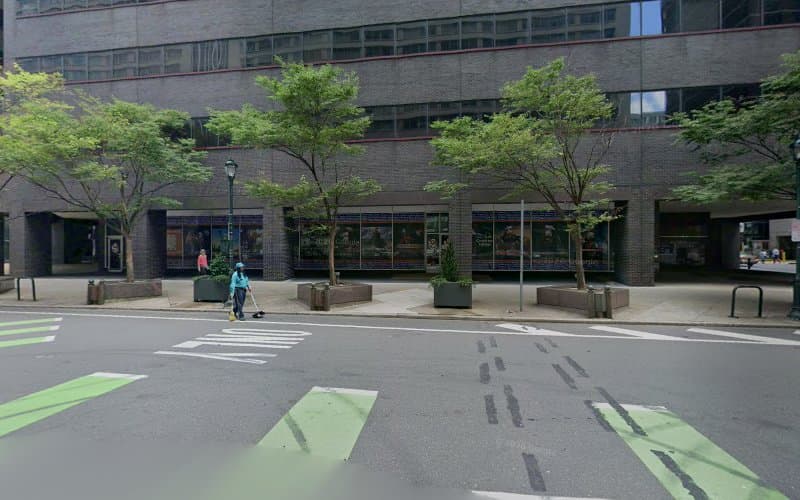
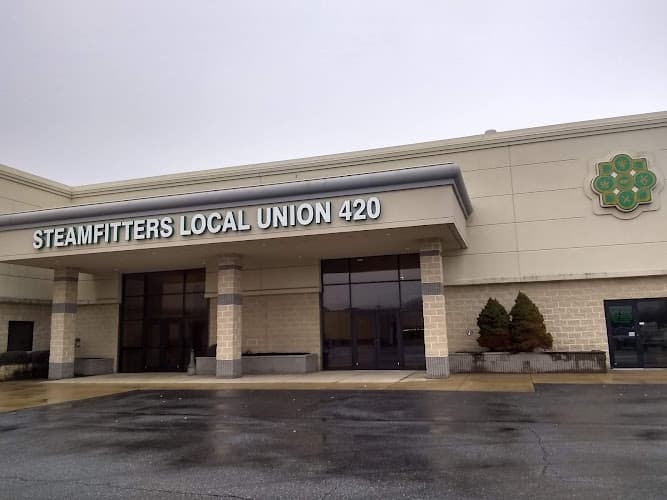
The Better Business Bureau office at 1880 John F. Kennedy Boulevard in Center City Philadelphia serves as a regional hub for one of the oldest consumer protection and business ethics organizations in North America. Operating as a non-profit organization, this location is part of the BBB network that covers eastern Pennsylvania and the metropolitan Washington, D.C. area. The Philadelphia office handles consumer inquiries, complaint processing, business accreditation, and marketplace reporting for a large portion of the Mid-Atlantic region.
Unlike a government agency, the BBB has no regulatory or law enforcement authority. It functions instead as a self-regulatory body funded largely by dues from accredited businesses, using publicity, mediation, and published ratings rather than fines or subpoenas. Services to the general public, including complaint filing and access to business profiles, are provided free of charge.
History and Background
The BBB traces its origins to the early twentieth century truth in advertising movement. Advertising clubs and business groups formed vigilance committees beginning around 1912 to challenge misleading advertising claims at a time when few consumer protection laws existed. Those committees evolved into local Better Business Bureaus, and Philadelphia was among the early American cities to establish one. For most of the last century, the bureaus operated as independent, locally incorporated non-profits bound together by shared standards and a common trademark, coordinated nationally by the organization now known as the International Association of Better Business Bureaus.
Over the past two decades, the BBB system has consolidated many smaller bureaus into larger regional operations. The Philadelphia bureau, which long served eastern Pennsylvania under names such as BBB of Eastern Pennsylvania, became part of a combined operation serving both eastern Pennsylvania and metropolitan Washington, D.C. That structure allows a single administrative and investigative staff to support a broad corridor of the East Coast while maintaining local offices in the region's major cities.
Business Profiles and Ratings
The service most closely associated with the BBB is its database of business profiles. Each profile typically includes the company's contact information, years in operation, ownership or management details, licensing information where applicable, the volume and nature of complaints filed against it, and any pattern of concern the bureau has identified. Profiles are maintained for both accredited and non-accredited businesses.
Ratings are expressed on a letter scale running from A+ down to F. The rating is calculated from factors that include complaint history, how the business responded to complaints, transparency about business practices, time in business, licensing status, and any government actions or advertising issues known to the bureau. Because accreditation is voluntary and involves paying dues, the BBB publishes information explaining that accreditation status and letter grade are separate concepts, and that an unaccredited business can still hold a high rating.
The bureau also hosts consumer reviews, which are verified for authenticity before publication and kept distinct from formal complaints. Reviews describe general experiences, while complaints allege a specific unresolved dispute the consumer wants addressed.
Complaint Handling and Dispute Resolution
Consumers who cannot resolve a problem directly with a company may file a complaint through the Philadelphia office or online. Staff review submissions for completeness and eligibility, then forward the complaint to the business and request a written response, generally within a set number of days. Both the complaint and the company's reply become part of the public business profile, and the consumer is given the opportunity to indicate whether the outcome was acceptable.
The process is informal and non-binding. The bureau cannot compel a refund or force a company to act, but the exchange of documented correspondence frequently prompts a resolution that direct contact did not produce. Common complaint categories include billing and collection issues, delivery problems, contract disputes, advertising and sales practices, warranty and guarantee claims, and problems with home improvement, automotive, telecommunications, and online retail transactions. For certain industries, the BBB also administers arbitration and mediation programs.
Scam Reporting and Consumer Education
The organization operates BBB Scam Tracker, a public reporting tool that maps fraud attempts by type and location so that residents can see which schemes are circulating in their area. Reported activity commonly involves phishing messages, fake invoices, employment and rental scams, cryptocurrency fraud, impostor calls claiming to represent government agencies or utilities, and online purchase schemes. Aggregated reports are shared with law enforcement and regulatory partners and inform periodic risk reports published by the BBB Institute for Marketplace Trust, the system's educational foundation.
Additional public resources include guidance on hiring contractors, checking licenses, understanding contracts and cancellation rights, and evaluating charitable organizations. Charity evaluations are carried out under the standards of the BBB Wise Giving Alliance, which assesses non-profits on governance, finances, fundraising practices, and transparency.
Services for Businesses
Companies in the service area may apply for BBB Accreditation, which requires meeting the organization's published Standards for Trust. Those standards address honest advertising, transparency about ownership and business practices, responsiveness to customer disputes, safeguarding of customer data, and adherence to applicable law. Accredited businesses pay annual dues, may display the BBB seal under license, and receive access to dispute resolution support, dashboards for tracking reviews and complaints, and directory listings. The bureau also conducts advertising review, examining claims that may be unsubstantiated or misleading and asking businesses to modify or substantiate them.
Location and Practical Information
- Address: 1880 John F. Kennedy Boulevard, Suite 1330, Philadelphia, Pennsylvania 19103
- Telephone: +1 215-985-9313
- Organization type: non-profit organization
- Accessibility: wheelchair accessible parking lot
The office sits in Center City West along the John F. Kennedy Boulevard corridor, within walking distance of Suburban Station, Dilworth Park, and City Hall, and close to regional rail, subway, and bus connections. Most consumer business, including filing a complaint, looking up a rating, or reporting a scam, can be completed by phone without an in-person visit. Residents throughout Philadelphia and surrounding eastern Pennsylvania counties, as well as businesses seeking accreditation in the region, use this location as their primary point of contact.