WRTI-FM 90.1 is a listener supported public radio station licensed to Temple University and broadcasting from the university's main campus in North Philadelphia. The station is known throughout the Delaware Valley for a dual format schedule that pairs classical music with jazz, giving one frequency two distinct musical identities that rotate through the broadcast day. Its studios are located at 1509 Cecil B. Moore Avenue in Philadelphia, and its signal, along with a network of repeater stations and translators, carries the broadcast well beyond the city limits into surrounding parts of Pennsylvania, New Jersey and Delaware.
As a noncommercial station, WRTI operates without conventional advertising. Programming is funded through a combination of listener membership contributions, business underwriting, grants and support connected to Temple University. Fundraising campaigns run periodically through the year, and the station also accepts vehicle donations and planned gifts as part of its development work.
History and University Connection
WRTI traces its origins to the late 1940s, when it began as a student operated station associated with Temple's Radio Technical Institute, the source of the call letters still in use today. For much of the second half of the twentieth century the station built its reputation on jazz, developing a following among Philadelphia listeners who treated it as a primary outlet for the music in a market where commercial jazz radio had largely disappeared.
The station's format broadened significantly in the 1990s, when changes in Philadelphia's commercial radio landscape left the region without a full time classical outlet. WRTI responded by adding classical programming to its schedule and expanding its signal reach, arriving at the alternating classical and jazz structure that continues to define it. That decision preserved two musical traditions on local airwaves at a moment when both were losing ground nationally, and it remains the central fact of the station's identity.
The Temple University connection runs deeper than licensing. The station serves as a point of contact between the university and the wider region, hosting seminars, class visits and community events at its facility, and providing a professional broadcast environment that students and visitors can observe firsthand.
Programming and Schedule
The daily schedule generally follows a pattern that listeners come to learn by habit. Classical music anchors the weekday hours from early morning through the late afternoon and early evening, presented by hosts who provide context on composers, performers and recordings rather than simply announcing titles. Jazz takes over in the evening and continues overnight, covering straight ahead, bebop, hard bop, vocal jazz, Latin jazz and contemporary work from current artists.
Weekends carry a mix of both formats along with specialty shows. Over the years the station has also produced segments that deliberately bridge the two genres, exploring the points where classical composition and jazz improvisation overlap, which has become one of its signature editorial touches.
Alongside music, WRTI carries arts features, interviews with visiting and local performers, and concert broadcasts. The station has a long record of airing performances by Philadelphia's major ensembles and conservatories, bringing concert hall programming to an audience that may never set foot in the venue itself. Jazz programming similarly includes recorded sets and live sessions that document performances happening in the region.
Support for Regional Musicians
One of the less visible functions of a station like WRTI is its role in the working life of local musicians. Airplay for regional jazz artists, interviews tied to album releases and club dates, in studio performance sessions and coverage of area festivals all contribute to the ecosystem that allows musicians to build audiences. Philadelphia has a deep jazz lineage, and the station functions as one of the few broadcast platforms where that lineage is treated as living repertoire rather than archival material. Classical ensembles, chamber groups and student performers from area conservatories also find airtime through the station's performance and feature programming.
Ways to Listen
- Over the air at 90.1 FM in Philadelphia and the immediate region
- Through repeater stations and translators serving outlying parts of the listening area, including portions of eastern Pennsylvania, southern New Jersey and Delaware
- Live streaming, with separate round the clock streams for listeners who want classical only or jazz only
- Digital HD Radio channels carrying dedicated genre streams
- Mobile apps and smart speaker platforms that carry public radio streams
The station also hosts program schedules, recently played playlists, articles on classical and jazz subjects, event listings and archived features, which makes it useful for listeners trying to identify a piece they heard earlier in the day.
Location, Access and Visiting
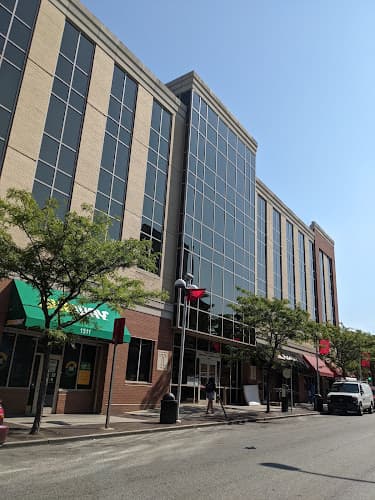
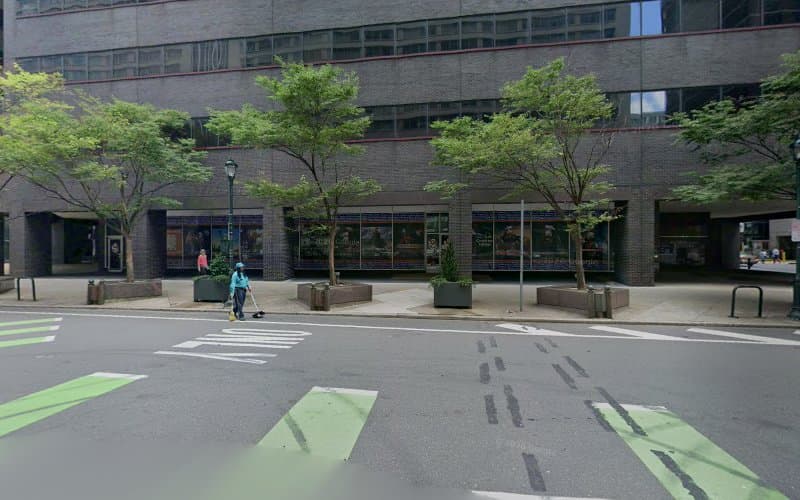
The station is situated on Cecil B. Moore Avenue, a main east to west corridor through Temple's campus in North Philadelphia. The area is served by SEPTA bus routes, the Broad Street Line subway at Cecil B. Moore Station, and the Temple University Regional Rail station, making the location reachable without a car from Center City and from suburban rail communities.
The building includes a wheelchair accessible entrance and a wheelchair accessible parking lot. Visitors arriving for events, seminars or scheduled tours should confirm details in advance by phone, since studio access is coordinated around live broadcast operations. Group and class tours of the broadcast facility have been offered in connection with educational programs and community events, and inquiries about arranging a visit can be directed to the station office.
Memberships, Payments and Contact
Listener memberships can be established as one time gifts or recurring monthly contributions, with credit cards and debit cards accepted. Businesses and institutions interested in on air underwriting, event sponsorship or digital sponsorship can contact the station's development staff for rate and schedule information. Membership benefits typically include access to station newsletters, invitations to listener events and periodic thank you gifts tied to fundraising campaigns.
General inquiries, music identification questions, underwriting requests and event coordination can be handled by phone at +1 215-204-8405. Programming information, host biographies and the full broadcast schedule are maintained and updated as the lineup changes through the year.