Big Brothers Big Sisters, located at 303 Windsor Street in Reading, Pennsylvania, is a social services organization that connects children and teenagers with screened adult volunteer mentors. The agency serves Berks County and operates under the national Big Brothers Big Sisters framework, in which young participants are known as "Littles" and the adult volunteers matched with them are known as "Bigs." The organization can be reached at +1 610-373-5544.
The mentoring model at the center of the organization's work is straightforward in concept: one adult, one child, and a relationship built over time. Rather than delivering a single class or a short course, the agency focuses on sustained, ongoing connections that can last for years, with staff support behind each match. That long horizon is part of what distinguishes mentoring agencies from other youth services, and it is why enrollment involves screening, training, and a deliberate matching process rather than a simple sign-up.
History and National Context
Big Brothers Big Sisters traces its roots to the early twentieth century. The Big Brothers movement began in New York City in 1904, when a court clerk started recruiting volunteers to befriend boys appearing before the juvenile court. Around the same period, a group affiliated with a Manhattan church began similar work with girls under the Big Sisters name. The two national organizations merged in 1977 to form Big Brothers Big Sisters of America, which today operates through a network of local affiliate agencies across the country. Each affiliate recruits its own volunteers, enrolls local families, and raises funds within the community it serves.
The Berks County agency is part of that affiliate network, applying the national program standards and safety requirements to the specific needs of children in Reading and the surrounding municipalities. Because affiliates are locally staffed and locally funded, programming often reflects regional priorities, school partnerships, and community relationships built over decades.
Mentoring Programs
Big Brothers Big Sisters agencies generally offer mentoring in more than one format so that families and volunteers can find an arrangement that fits their schedules. Common program structures include:
- Community-based mentoring, in which a Big and Little meet in the community a few times each month for ordinary activities such as visiting a park, attending a local event, cooking, playing sports, working on a hobby, or simply talking over a meal.
- Site-based or school-based mentoring, in which matches meet at a school, community center, or workplace during a set time, often during the school year and on a consistent weekly or biweekly schedule.
- Group and specialty programs that pair young people with mentors from particular fields or organizations, including partnerships with employers, colleges, and public safety agencies.
Beyond the matches themselves, the agency serves as a connection point for families seeking other forms of assistance. Staff are often able to point parents and guardians toward outside resources and community services when a need falls outside the scope of mentoring. This referral role is a practical part of the work at many affiliates, since case managers stay in regular contact with families and hear about concerns as they arise.
How Matching Works
Matching is handled by agency staff rather than left to chance. Prospective volunteers complete an application, provide references, undergo background checks, and take part in an interview and orientation. Families complete their own enrollment process, which typically includes an interview with the parent or guardian and the child so that staff can understand the young person's interests, personality, and goals.
Staff then consider factors such as shared interests, geography, availability, and the preferences expressed by everyone involved. Once a match is introduced and begins meeting, a case manager stays in contact with the volunteer, the child, and the parent or guardian to check in on how the relationship is developing, offer guidance, and address any questions. This ongoing support is a defining feature of the model and is one reason the intake process takes time.
Volunteering as a Big
Volunteers are generally adults who can commit to regular contact with a young person over an extended period, frequently a minimum of one year. Activities do not need to be expensive or elaborate. The program is built around consistency and attention rather than outings that cost money, and agencies often share ideas for low cost or free activities, along with occasional tickets or passes donated by community partners.
People considering volunteering usually want to know about the time commitment, the screening process, and the kind of support they will receive. Prospective Bigs can contact the office directly by phone to ask about current needs, which frequently include a shortage of male volunteers and volunteers who speak Spanish. Those who cannot commit to a full match often contribute in other ways, including event support, board or committee service, in-kind donations, and financial giving.
Events and Community Involvement
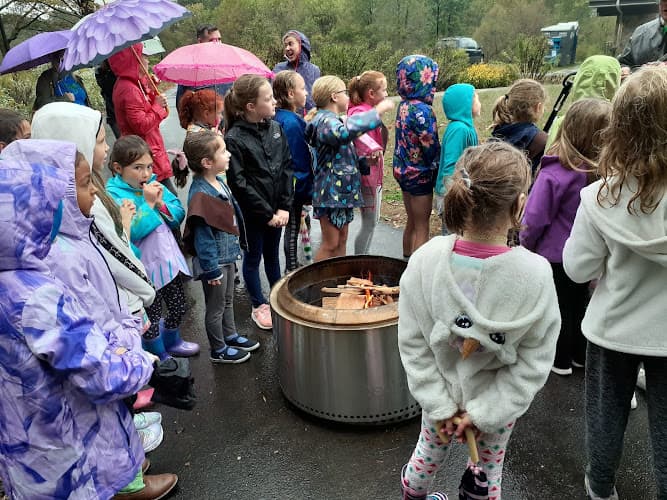
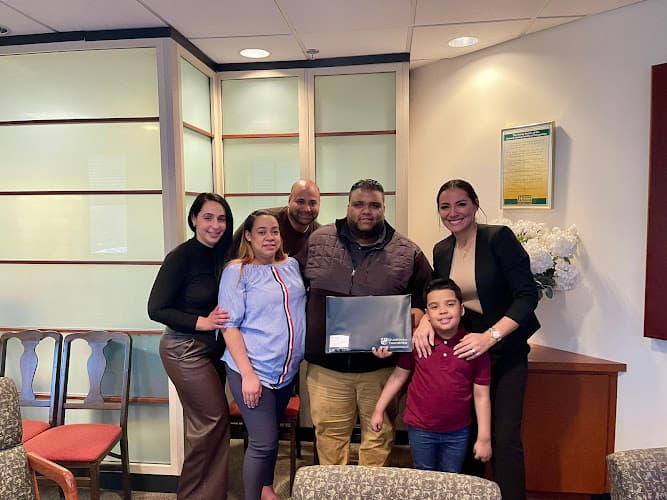
In addition to one-to-one mentoring, the agency organizes gatherings and seasonal activities that bring matches and families together. These commonly include group outings, holiday events, recognition celebrations for volunteers, and back-to-school initiatives that distribute supplies to local children. Fundraising events, which at many affiliates include bowling and golf tournaments, help sustain the programs and also serve as an entry point for community members who want to learn more about the organization before committing further.
Location, Access, and Practical Information
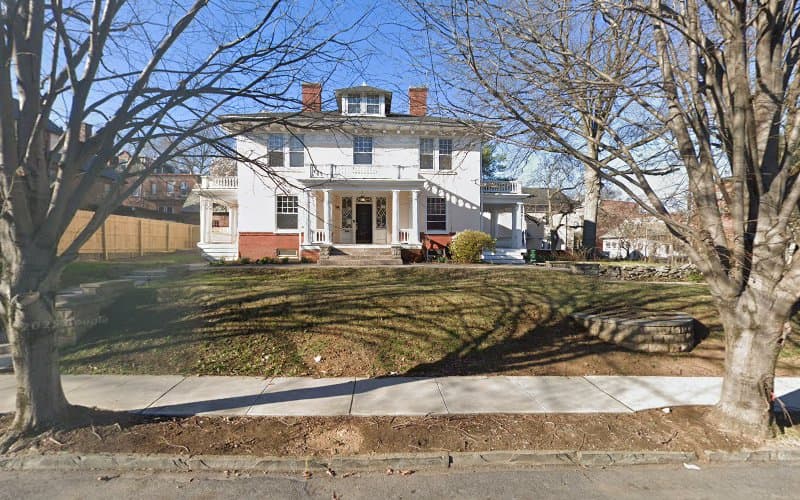
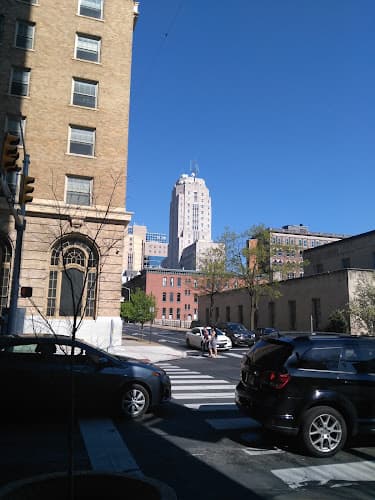
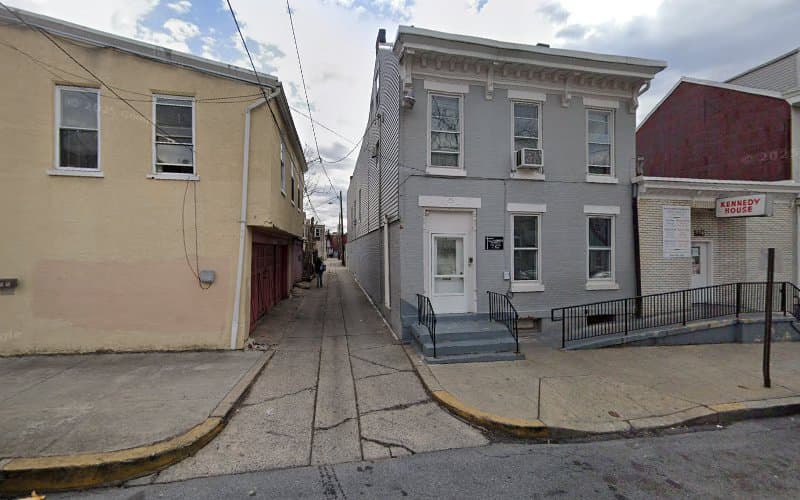
The office sits on Windsor Street in Reading, within Berks County and convenient to the city's central neighborhoods. The site includes a wheelchair accessible parking lot. Visitors are encouraged to call ahead to confirm office hours and to schedule an appointment, since staff spend time in the field meeting with families, volunteers, and school partners.
Families interested in enrolling a child, adults interested in becoming a Big, and businesses or civic groups interested in partnering can begin by calling +1 610-373-5544. Referrals to the program frequently come from schools, counselors, therapists, and community agencies, though families are welcome to reach out on their own.