Biomat USA Reading is a source plasma collection center located at 630 Greenwich St in Reading, Pennsylvania. The center is part of the Grifols network of donation centers operating in the United States under names including Biomat USA, Talecris Plasma Resources and Grifols Plasma. Its function is narrow and specialized: it collects human blood plasma from qualified volunteer donors, screens and processes that plasma, and forwards it for use in the manufacture of plasma derived therapies. The site operates as a licensed and regulated facility rather than a walk-in clinic, and the staff includes trained phlebotomists, medical screeners and center support personnel who guide donors through each step of the collection process.
Location and Service Area
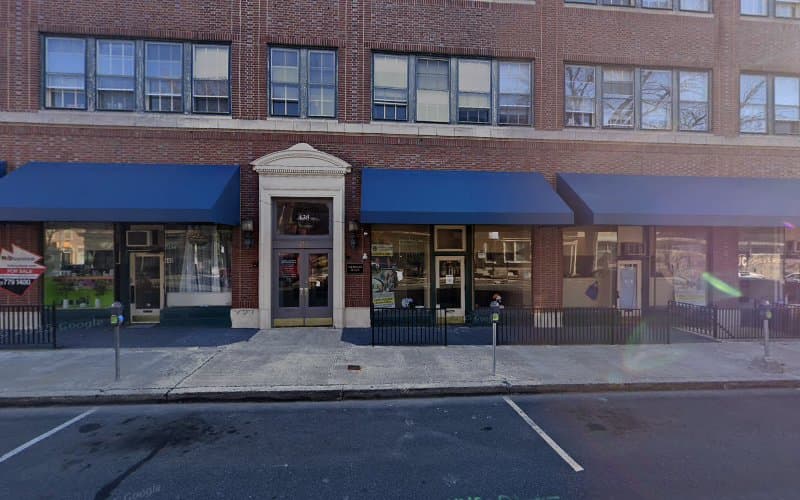
The center sits in the city of Reading, the seat of Berks County in southeastern Pennsylvania. Greenwich Street is on the city's north side, within reach of the Fifth Street Highway corridor and a short drive from Route 61, Route 222 and the Warren Street Bypass. That places the center within practical driving distance for residents of Reading proper as well as surrounding communities such as Muhlenberg Township, Laureldale, Temple, Kenhorst, Wyomissing, West Reading, Shillington, Mohnton, Leesport and Fleetwood. Because donors who choose to give plasma regularly typically return on a recurring schedule, proximity matters, and the center draws much of its donor base from Reading and the immediately adjacent townships.
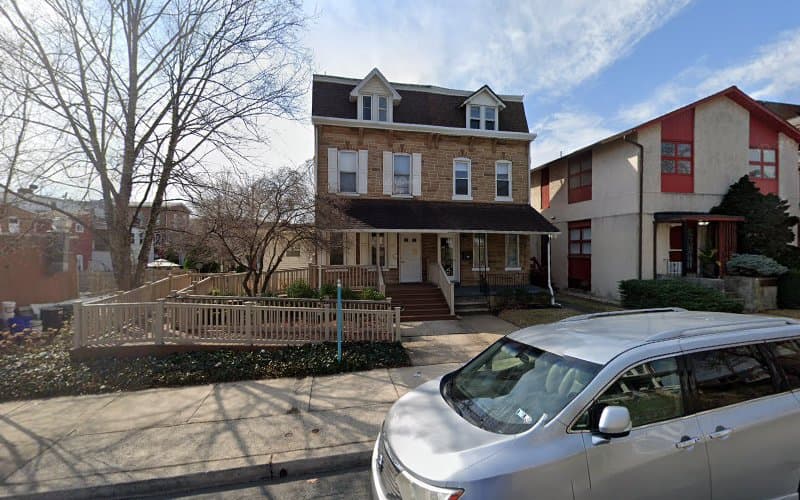
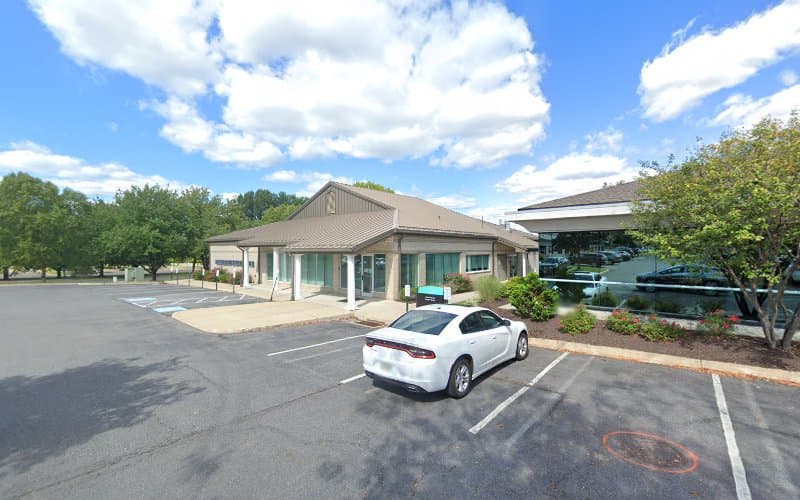
The property includes a wheelchair accessible entrance and a wheelchair accessible parking lot, so donors who use mobility devices can reach the reception area and screening rooms without navigating steps. Parking is on site. The general phone line for the center is +1 610-685-5060.
What Plasma Is and Why It Is Collected
Plasma is the pale yellow liquid portion of blood, making up roughly 55 percent of its total volume. It carries proteins including albumin, immunoglobulins and clotting factors, and those proteins cannot be synthesized artificially in a way that replaces human sourced material. Manufacturers fractionate donated plasma into therapies used to treat primary immunodeficiency diseases, hemophilia and other bleeding disorders, alpha 1 antitrypsin deficiency, hereditary angioedema, certain neurological conditions such as chronic inflammatory demyelinating polyneuropathy, and trauma or burn cases requiring albumin. A single course of treatment for some of these conditions can require plasma from a very large number of donations, which is why collection centers like the one on Greenwich Street operate on a high volume, repeat donor model.
The Donation Process
Plasma is collected through automated plasmapheresis. Whole blood is drawn through a single needle placed in the arm, routed into a machine that separates plasma from red blood cells and other cellular components, and the cellular portion is returned to the donor along with a sterile saline solution. Because red cells are given back, donors can give plasma more frequently than they can give whole blood. In the United States, federal rules permit source plasma donation up to twice in a seven day period, with at least one full day between donations.
A typical visit involves several stages:
- Check in at the front desk, with identity verification and a review of donor records
- A screening questionnaire covering health history, medications, travel and other deferral criteria
- A brief physical screening that generally includes blood pressure, pulse, temperature, weight, protein and hematocrit checks
- The collection itself, carried out in a monitored donor floor area with staff attending to donors throughout
- A short post donation rest period, with fluids and a check that the donor feels well before leaving
First visits take noticeably longer than subsequent ones because of the full medical history review and a physical examination performed by center medical staff. Many returning donors find the total visit time drops substantially once they are established in the system.
Eligibility and What to Bring
General requirements for source plasma donation in the United States include being at least 18 years old, weighing a minimum of 110 pounds, and passing the medical screening and viral testing steps. Donors are also required to complete a serum protein and health assessment. Certain medications, medical conditions, recent tattoos or piercings, pregnancy and some travel histories can result in temporary or permanent deferral, and the center's medical staff make those determinations on an individual basis.
New donors should plan to bring a valid photo identification document, proof of their Social Security number, and proof of current local address. Documentation requirements are set by regulation and by Grifols policy, so it is worth calling ahead to confirm which documents are accepted before a first visit.
Preparing for a Visit
Staff at plasma centers generally advise donors to take a few simple steps that make collection smoother and reduce the chance of lightheadedness:
- Drink plenty of water in the 24 hours before donating
- Eat a meal containing protein within a few hours of the appointment
- Avoid alcohol before donating and limit fatty foods, which can affect plasma quality
- Get adequate sleep the night before
- Wear a short sleeved shirt or clothing with sleeves that roll up easily
- Bring a phone, book or headphones, since the collection itself can take around 45 minutes to an hour
Compensation and Donor Programs
Source plasma donors at Grifols centers receive compensation for their time, typically loaded onto a prepaid card after each completed donation. Rates vary by center, by donation frequency and by promotional period, and new donor offers are common. Grifols also operates a donor loyalty program and a mobile application that donors can use to track donations, view rewards status, complete parts of the pre screening questionnaire and check center wait times. Because amounts and promotions change, current figures are best confirmed directly with the center.
Facility and Equipment
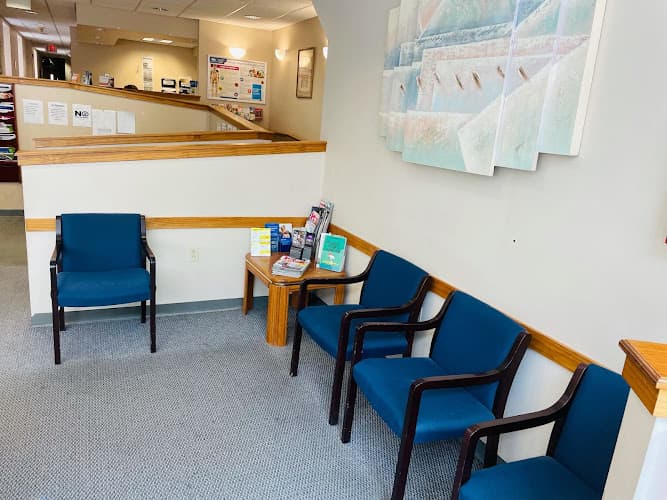
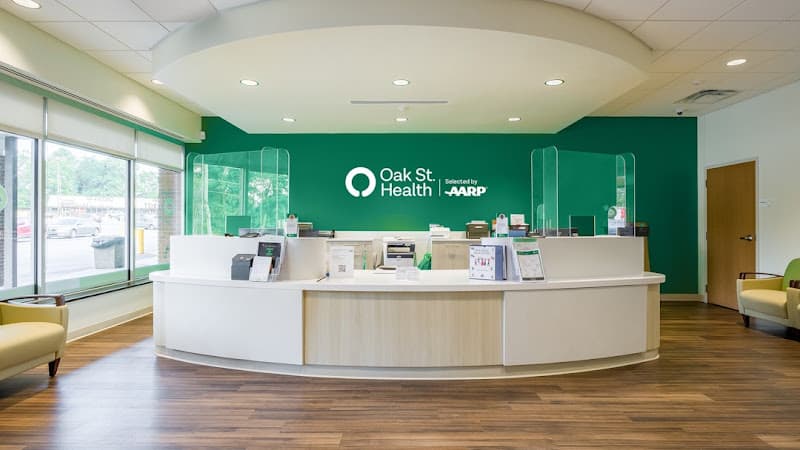
The Greenwich Street center operates on the standard Grifols layout, with a reception and waiting area, private screening rooms, and an open donor floor of reclining beds served by automated collection instruments. Collection equipment across the Grifols network has been updated in recent years to newer generation plasmapheresis systems, which shortened cycle times and changed the handling of the needle and tubing set. Regular donors at the Reading location who have used both older and newer machines have noticed the difference in how the session runs.
Practical Notes
Plasma centers commonly see their heaviest traffic in the late afternoon and on weekends, so donors looking for shorter waits often aim for early morning or midweek slots. Appointments are strongly recommended. Donors are also subject to routine testing of each donation, and results that require follow up are communicated by center medical staff. Anyone with questions about eligibility, deferral status, medications or the mechanics of plasmapheresis can call the center at +1 610-685-5060 before making the trip.