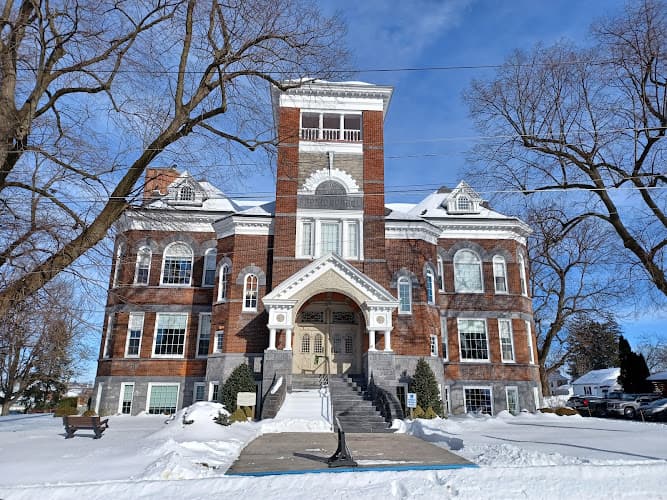
The Boyertown Museum of Historic Vehicles is a transportation history museum at 85 S Walnut St in Boyertown, Pennsylvania. It collects, preserves and interprets vehicles built and used in the region, with a focus on the carriages, wagons, trucks, cars and early electric vehicles that came out of Pennsylvania shops and factories. The museum can be reached at +1 610-367-2090.
The institution grew out of the Boyertown Auto Body Works, the commercial body building firm that operated in the borough for generations, and the museum occupies buildings connected to that industrial past. That origin shapes the collection: rather than presenting a general survey of famous automobiles, the galleries concentrate on vehicles that were designed, bodied or assembled in eastern Pennsylvania, along with the tools, patterns, signage and shop equipment used to make them. The museum is a Smithsonian Affiliate, a designation extended to institutions that meet professional standards in collections care and public programming.
What Is on Display
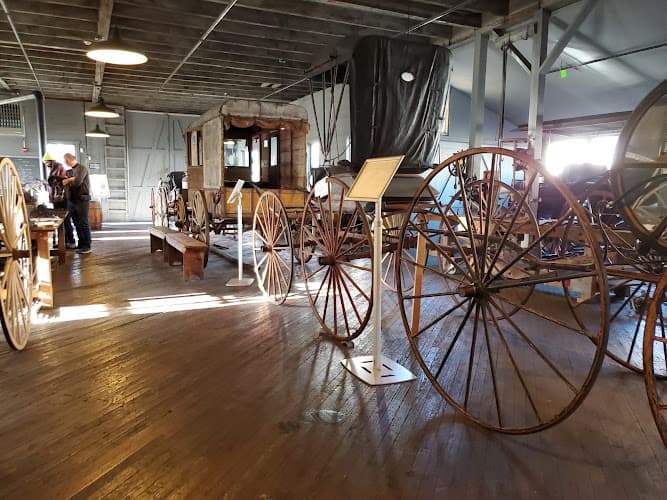
The permanent collection spans roughly a century of road transportation, moving from horse-drawn conveyances through the first gasoline and electric automobiles and on to mid-twentieth century trucks and cars. Visitors encounter carriages and sleighs, delivery wagons, fire apparatus, motorcycles and bicycles, commercial trucks and passenger automobiles, most of them restored or conserved and arranged so they can be viewed closely rather than from behind long barriers.
Several areas of the collection are unusual for a museum of this size:
- Pennsylvania-built automobiles, including makes that were produced in small numbers and survive in very limited quantities today
- Early electric cars and trucks from the period when battery power competed directly with internal combustion
- A carriage house and wheelwright setting that shows how horse-drawn vehicles were built and repaired before the automobile era
- Commercial and work vehicles, including bodies built locally for bakeries, dairies, florists and fire companies
- A full-size vintage diner relocated from Reading, preserved as an example of roadside architecture tied to automobile culture
- Industrial displays covering body building, blacksmithing, upholstery and the trades that supported vehicle manufacturing
Interpretive panels accompany the vehicles, and staff and volunteers are generally available on the floor to answer questions about specific pieces, their manufacturers and how they were used. Because many of the objects came from families and businesses in Berks, Montgomery and surrounding counties, the labels often include the local history of the vehicle as well as its mechanical details.
Exhibitions and Events
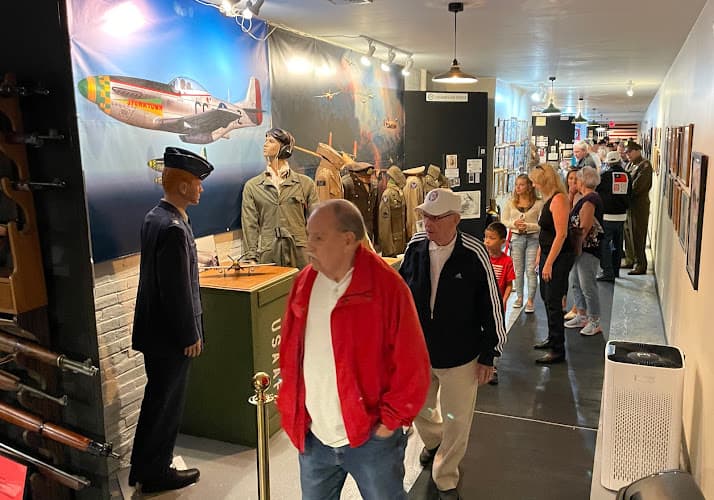
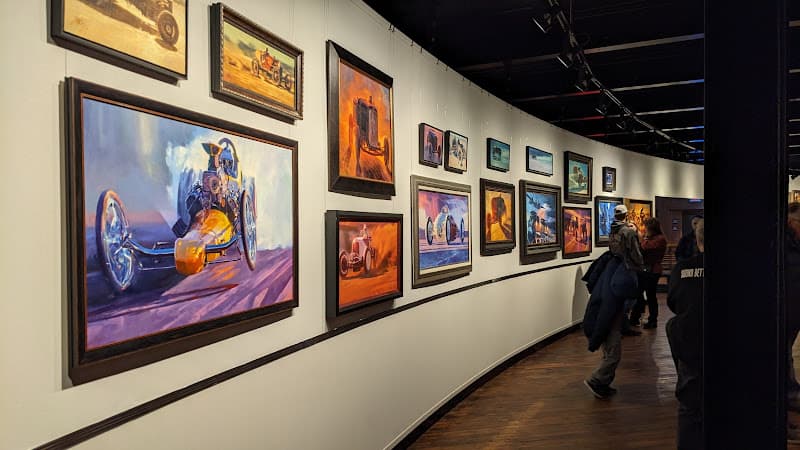
Alongside the permanent galleries, the museum mounts temporary exhibitions and hosts themed weekends through the year. These have included pop culture subjects tied to famous screen vehicles as well as seasonal and family-oriented programs built around crafts, costumes and activities. The museum also schedules live performances and community gatherings on site, and it organizes vehicle-related events that bring owners and enthusiasts to Boyertown. Because the schedule changes, calling ahead at +1 610-367-2090 is the simplest way to confirm what is running on a given date and whether a special event affects regular admission or hours.
Guided tours are available, and the museum accommodates school groups, bus tours, car clubs, scout troops and other organized visits. Group arrangements are made in advance by telephone.
Visiting With Children
The museum is set up with younger visitors in mind. Self-directed activities such as scavenger hunts give children something to look for as they move through the galleries, and the mix of fire trucks, sleighs, bicycles and early cars tends to hold attention across age ranges. The layout is compact enough that a family can see the whole museum in a single visit without a long walk, and benches are placed throughout for rest stops. Restrooms are on site.
Accessibility and Facilities
The building has a wheelchair accessible entrance, accessible restrooms and accessible parking. An elevator serves the upper level, and the galleries are laid out with wide, level routes between displays. Seating is distributed through the exhibit areas.
A gift shop carries books, models, apparel and souvenirs related to transportation history and to the museum's own collection. A cafe area is available on site for refreshments. There is no full restaurant in the building, though downtown Boyertown has dining options within a short walk.
Parking and Getting There
The museum is on South Walnut Street in the borough of Boyertown, in eastern Berks County near the Montgomery County line. There is an on-site parking lot available at no charge, and free street parking is generally available nearby. The location is reachable by way of Route 73 and Route 562, and it is a straightforward drive from Pottstown, Reading, Gilbertsville, Bally and the Route 100 corridor. Visitors from the Philadelphia suburbs and the Lehigh Valley commonly make the trip as a day outing.
Practical Information for Planning a Visit
Most visitors spend somewhere between one and two hours in the galleries, depending on how closely they read labels and whether a temporary exhibition is on view. Photography is popular, particularly around the diner, the carriage displays and the restored bodywork. Admission is charged, with reduced rates typically available for seniors, students and children, and members of the museum receive admission benefits. Hours vary by season and the museum is closed on certain days, so confirming by phone before traveling a distance is advisable.
The museum operates as a nonprofit and relies on memberships, donations, volunteers and event revenue to maintain the collection and the buildings that house it. Volunteers assist with restoration work, research, docent duties and special events, and the museum welcomes inquiries from people interested in contributing time or in donating vehicles, documents, photographs and shop tools relevant to Pennsylvania transportation history.
For researchers, the museum's holdings extend beyond the vehicles themselves to include company records, catalogs, trade literature and photographs associated with regional body builders and vehicle manufacturers. Questions about research access can be directed to the museum by telephone.