
entertainment
Best Museums in Berks County PA
Discover Berks County’s best museums featuring hands-on science, railroad heritage, aviation history, and local culture. Family-friendly attractions with expert guides.
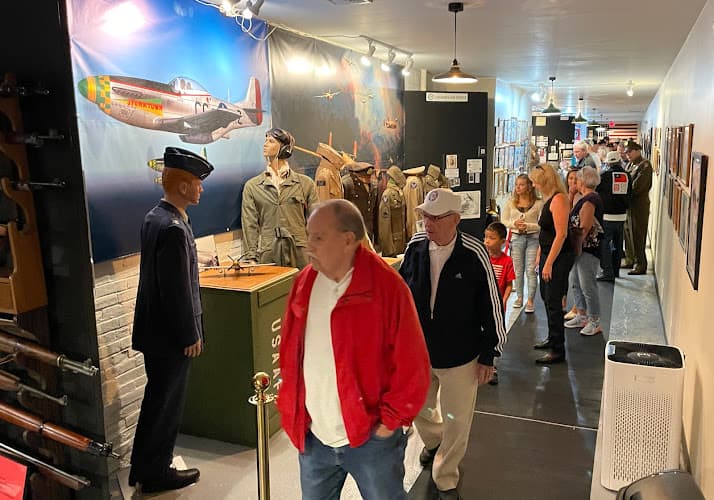
Dec 9The General Carl Spaatz National USAAF Museum in Boyertown, Pennsylvania, offers an insightful exploration of U.S. Army Air Forces history during World War II.
Checked on September 7, 2026 against the official site. Hours and prices change; confirm before a long drive.
The General Carl Spaatz National USAAF Museum in Boyertown tells the story of the U.S. Army Air Forces through the life of Carl Spaatz, who was born and raised in Boyertown, commanded the Eighth Air Force and the U.S. Strategic Air Forces in Europe in World War II, and became the first Chief of Staff of the U.S. Air Force in 1947. The museum opened on October 2, 2021 in about 6,000 square feet with ten exhibits, six of them built for interactive small group tours.
We visit two ways. The self-guided tour runs during regular hours for $10, with audio you play from QR codes on your own phone or on a listening device the museum lends out. The interactive tour is a $25 reserved experience for groups of up to seven, where staff in period uniforms run you through a pre-flight briefing, put you in gear, and place you in a B-17 as pilot, waist gunner, or bombardier before an escape scenario through occupied France and a German POW camp, with virtual reality elements.
On Fridays and Saturdays at 3 PM the museum also runs two escape rooms for $25, opened by an orientation film. Plan about an hour for the escape rooms and at least an hour for the self-guided tour.
General Carl Spaatz National USAAF Museum appears in this post, researched and written by us.
Discover Berks County’s best museums featuring hands-on science, railroad heritage, aviation history, and local culture. Family-friendly attractions with expert guides.
Dec 9The escape rooms are mentioned repeatedly across reviews as a unique, challenging, and enjoyable feature that sets this museum apart, with many visitors planning return trips specifically to try them.
The escape rooms were cleverly thought out and challenging, but thankfully, we made it out alive.
My fiancé and I had a blast with the escape rooms
Chris is specifically named as providing an outstanding, detailed tour that made history come alive, demonstrating the personalized experience visitors receive.
Chris did an outstanding job giving us a tour and he took the time to explain each piece in detail and really brought the history to life.
You can tell he's passionate and knowledgeable. Highly recommend stopping by.
Customers consistently praise the tour guides for their deep knowledge of WWII history, passion for the subject matter, and ability to make the experience engaging and memorable.
Our guide was absolutely fantastic—his passion and knowledge brought history to life in an unforgettable way.
Chris did an outstanding job giving us a tour and he took the time to explain each piece in detail and really brought the history to life. You can tell he's passionate and knowledgeable.
Visitors are impressed by the high quality, thoughtful curation, and variety of WWII artifacts and exhibits, often comparing them favorably to much larger institutions.
The exhibits are top-notch, packed with fascinating WWII artifacts and stories.
The displays are Smithsonian level and the people who oversee the museum are amazing.
Customers consistently note that staff members are welcoming, accommodating (especially with children), and genuinely dedicated to creating a positive visitor experience.
Very friendly staff and tour guides. Everything there is so interesting.
Everyone was so helpful and informative and went above and beyond during our visit.
Visitors highly value the interactive elements including escape rooms, simulation experiences, and hands-on activities that transport them back to the WWII era.
The escape rooms were cleverly thought out and challenging, but thankfully, we made it out alive.
Wonderful people running an immersive experience - try on WWII flight gear, sit through a bombing run prep meeting, etc.
The General Carl Spaatz National USAAF Museum is a war museum located in Boyertown, Pennsylvania, dedicated to preserving the legacy of General Carl Andrew Spaatz and the United States Army Air Forces during World War II. The museum occupies a facility on General Carl Spaatz Avenue, a street named in honor of the four-star general who was born in Boyertown in 1891 and went on to become the first Chief of Staff of the United States Air Force.
The institution serves as both a memorial to General Spaatz's military career and a broader educational resource about American air power during the Second World War. Through its collection of artifacts, documents, and interactive programming, the museum provides visitors with detailed information about the strategic bombing campaigns, the personnel who served in the USAAF, and the technological developments that shaped aerial warfare during the 1940s.
Carl Andrew Spaatz, originally spelled Spatz, was a pioneering figure in American military aviation whose career spanned the formative decades of aerial warfare. Born in Boyertown on June 28, 1891, Spaatz graduated from the United States Military Academy at West Point in 1914 and subsequently transferred to the Aviation Section of the U.S. Army Signal Corps, earning his pilot wings in 1916.
During World War I, Spaatz served with the American Expeditionary Forces in France, commanding the 31st Aero Squadron and later the 13th Aero Squadron. He was credited with shooting down three German aircraft during the conflict. Between the wars, Spaatz participated in several notable aviation achievements, including the 1929 Question Mark endurance flight, which set a world record by remaining airborne for over 150 hours through aerial refueling.
Spaatz's most significant contributions came during World War II, where he commanded American strategic air forces in both the European and Pacific theaters. He oversaw the Combined Bomber Offensive against Nazi Germany and was present at three of the war's most consequential surrender ceremonies: the German surrender at Reims, the ratification in Berlin, and the Japanese surrender aboard the USS Missouri. Following the war, when the U.S. Air Force became an independent branch of the military in 1947, Spaatz was appointed as its first Chief of Staff, serving until his retirement in 1948.
The museum houses an extensive collection of World War II artifacts, military equipment, personal effects, and historical documents related to General Spaatz and the broader USAAF experience. The exhibits are organized to provide chronological and thematic coverage of the air war, from training and preparation through combat operations and the eventual Allied victory.
Display items include authentic military uniforms, flight gear, weapons, communication equipment, and personal items belonging to servicemembers who served during the war. The museum also maintains collections of photographs, maps, mission documents, and correspondence that illuminate both the strategic planning and day-to-day experiences of those who served in the Army Air Forces.
The curatorial approach emphasizes contextual presentation, with artifacts arranged within detailed dioramas and settings that recreate wartime environments. These displays aim to convey not just the objects themselves but the circumstances under which they were used and the experiences of the people who used them.
Beyond traditional static exhibits, the museum offers several interactive elements designed to engage visitors more directly with the historical material. These include hands-on opportunities to examine replica equipment, try on period flight gear, and participate in immersive scenarios that simulate aspects of the wartime experience.
The museum operates escape room experiences that incorporate World War II themes and historical elements. These puzzle-based activities challenge participants to solve problems within a set time limit while engaging with period-appropriate settings and scenarios. The escape rooms have become a notable feature of the museum's programming, attracting visitors who may not typically visit traditional museum exhibits.
For younger visitors, the museum includes interactive displays such as a military jeep that children can explore, providing a tactile connection to the vehicles and equipment used during the war. These elements make the museum accessible to families with children of various ages, allowing younger visitors to engage with history in age-appropriate ways while adults explore more detailed exhibits.
The museum offers guided tours led by knowledgeable staff and volunteers who provide detailed commentary on the exhibits and their historical context. These tours cover the life and career of General Spaatz, the organization and operations of the USAAF, and the broader history of American involvement in World War II.
Tour guides are able to adapt their presentations to the interests and knowledge levels of different visitor groups, providing more technical detail for aviation enthusiasts or military history scholars while offering accessible overviews for general audiences and younger visitors. The guided tour format allows for questions and discussion, creating opportunities for deeper engagement with the material than self-guided exploration alone might provide.
Given the personalized nature of the tour experience, the museum recommends that visitors obtain tickets in advance, particularly for groups or during peak visitation periods. This allows staff to prepare appropriate resources and ensure adequate tour guide availability.
The museum hosts live performances and special events throughout the year, adding programming dimensions beyond its permanent exhibits. These events may include historical reenactments, educational presentations, commemorative ceremonies, and community gatherings related to military history and veterans' affairs.
The facility's event programming reflects its role not just as a repository of artifacts but as an active institution engaged with the local community and with ongoing efforts to preserve and transmit historical knowledge about World War II and military aviation.
The museum facility is designed to accommodate visitors with mobility limitations, featuring wheelchair accessible entrances, restrooms, and parking areas. This accessibility ensures that the museum's exhibits and programs are available to visitors regardless of physical ability.
Restroom facilities are available on site. The museum does not operate a restaurant, so visitors planning extended stays may wish to make arrangements for meals at nearby establishments in the Boyertown area.
Boyertown is located in Berks County in southeastern Pennsylvania, approximately 50 miles northwest of Philadelphia. The town has a population of roughly 4,000 residents and maintains a historic downtown area with 19th and early 20th century architecture.
The museum's location in Spaatz's birthplace provides an authentic connection to its subject matter, allowing visitors to understand the general's origins in small-town Pennsylvania and the local community that shaped his early life. For visitors from the surrounding region, the museum represents an opportunity to explore a significant aspect of local history that connects to national and global events of the 20th century.
The General Carl Spaatz National USAAF Museum can be reached by telephone at +1 484-945-3402.
County: Berks County
Phone: +1 484-945-3402
Website: Visit Website
4.9 out of 5 stars
Based on 61 reviews
5 star reviews
4 star reviews
3 star reviews
2 star reviews
1 star reviews
Museum
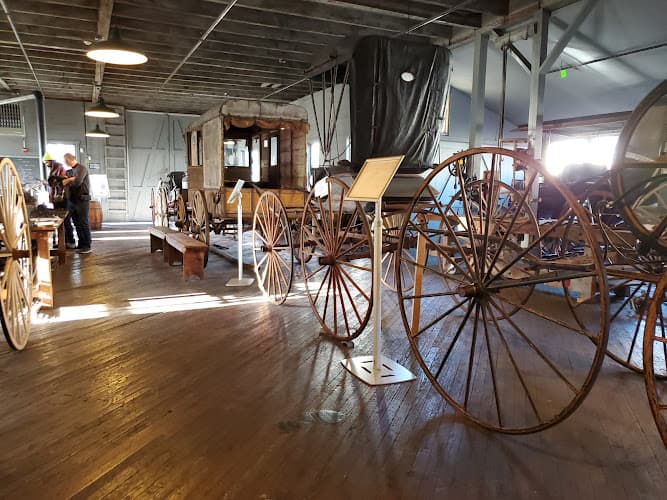
The Boyertown Museum of Historic Vehicles is a Smithsonian Affiliate transportation museum with galleries of Pennsylvania-built carriages, trucks, cars and early electric vehicles. Visitors praise the restored…
Museum
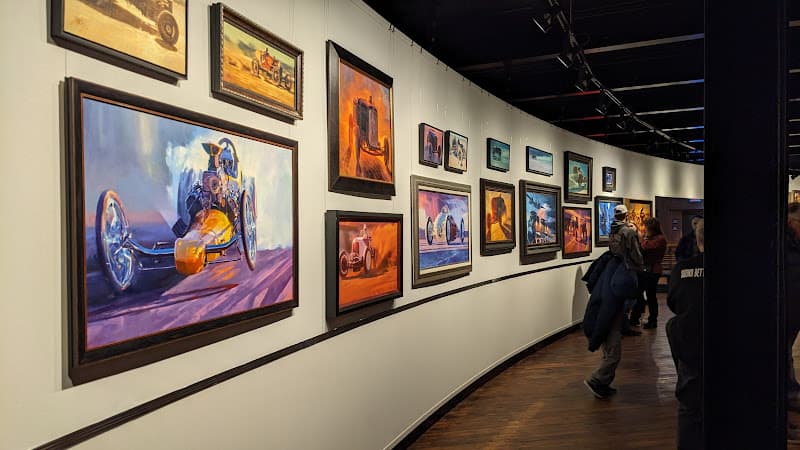
Three Dog Garage in Boyertown, Pennsylvania is a museum dedicated to showcasing a unique collection of automotive history and cultural artifacts. Visitors enjoy exploring its curated exhibits in a cozy, engaging setting.
Museum
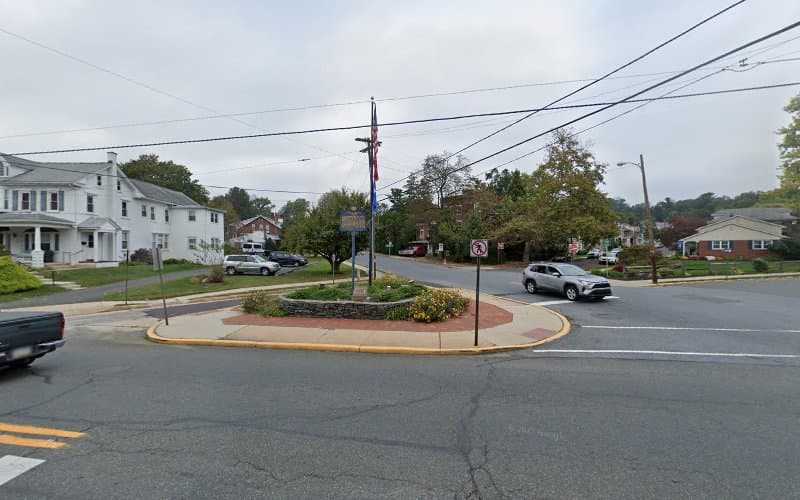
The General Carl A. Spaatz Memorial in Boyertown, Pennsylvania, is a museum dedicated to honoring the legacy of aviation history and achievements.
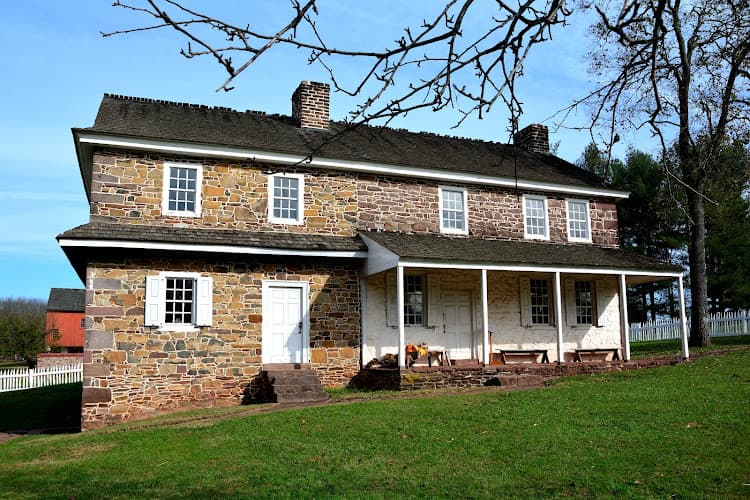
Local history museum
Daniel Boone Homestead in Birdsboro is a local history museum renowned for its peaceful grounds, engaging historical demonstrations, and friendly, knowledgeable staff. Visitors enjoy well-maintained walking trails and…
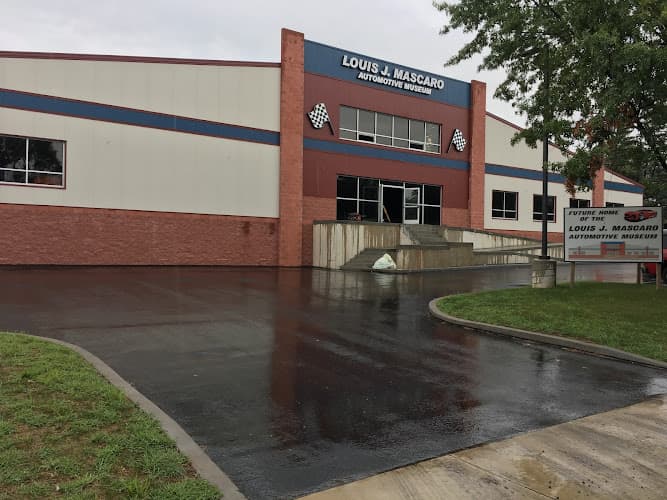
Museum
The Louis J Mascaro Automotive Museum in Birdsboro showcases an impressive collection of vintage and unique vehicles, offering visitors a glimpse into automotive history.
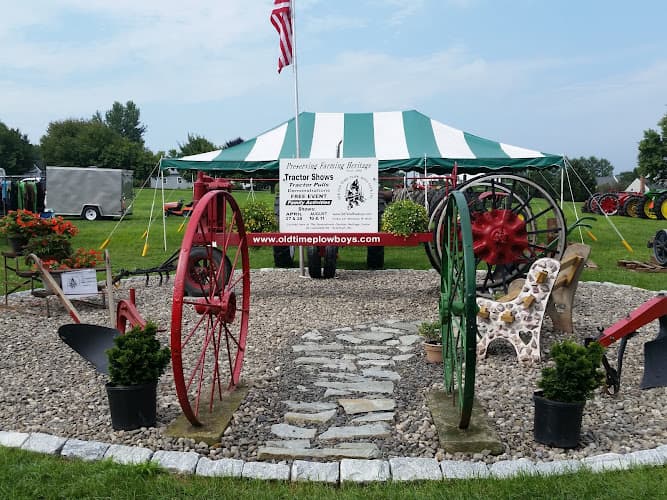
Tourist attraction
The Pennsylvania German Cultural Heritage Center in Kutztown is a museum, library and archive on a nineteenth century farmstead, with historic buildings, rotating exhibits and seasonal events. Visitors highlight…
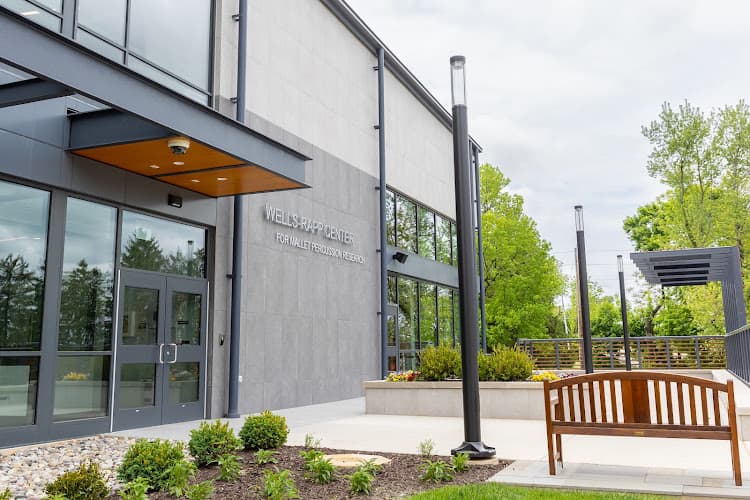
University
Wells Rapp Center for Mallet Percussion Research is a specialized university facility in Kutztown dedicated to the study and advancement of mallet percussion instruments and techniques.
Museum
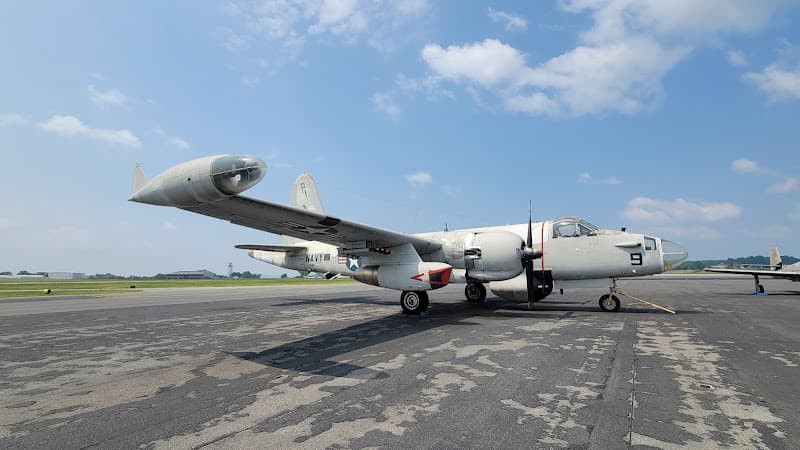
Mid Atlantic Air Museum in Reading, Pennsylvania showcases an impressive collection of historic aircraft, notably the rare P-61 Black Widow. Visitors consistently praise knowledgeable tour guides and immersive WWII…

