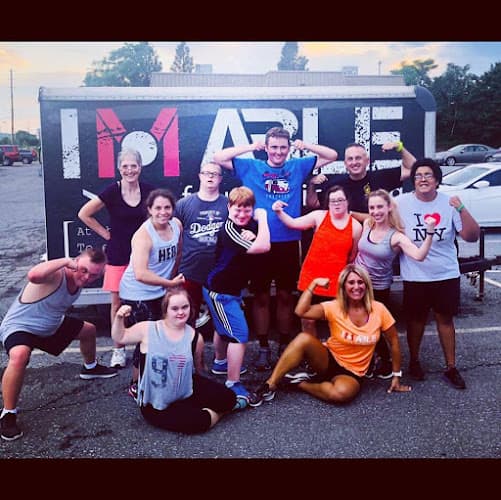
Clubhouse Living is a community center located at 715 Clinton Street in Reading, Pennsylvania. Operating as a nonprofit organization, it serves as a gathering place and support setting for adults in Reading and the surrounding Berks County area. The organization can be reached by phone at +1 484-339-3715.
As a community center rather than a retail or clinical facility, Clubhouse Living functions around membership, participation and shared activity. Its programming is built on the idea that people benefit from having a consistent place to go, familiar faces to see and meaningful work to contribute to during the day. That emphasis on belonging and structured daily engagement distinguishes a community center of this type from drop-in recreation spaces or appointment-based service offices.
The Clubhouse Approach to Community Support
The word "clubhouse" carries specific meaning in the field of community mental health and psychosocial rehabilitation. Organizations that describe themselves this way generally draw on a model of peer-driven community support that emerged in New York City in the mid-twentieth century and has since been adopted by hundreds of programs across the United States and internationally. The defining features of that approach typically include:
- Voluntary membership with no time limit, so participants can stay connected for as long as the community remains useful to them
- A work-ordered day, in which members and staff share responsibility for the tasks that keep the center running, including reception, food service, clerical work, outreach and facility upkeep
- Shared decision making, with members involved in planning, governance and the direction of programming
- Support with employment, education, housing and benefits navigation
- Social and recreational activities, holiday gatherings and evening or weekend events that extend community beyond business hours
Programs organized this way tend to emphasize what participants can do rather than what they cannot. Instead of assigning people to passive roles, the model asks members to take on real responsibilities that the community genuinely needs completed. The practical result is a setting that feels less like a waiting room and more like a workplace, kitchen and living room combined.
Location and Service Area
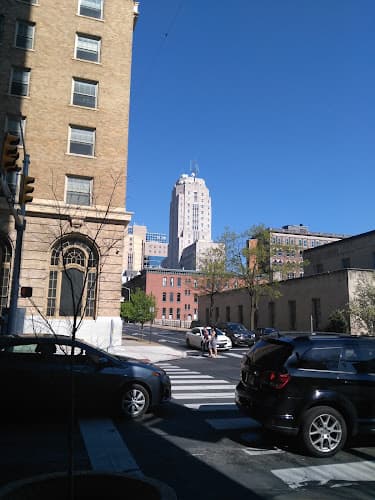
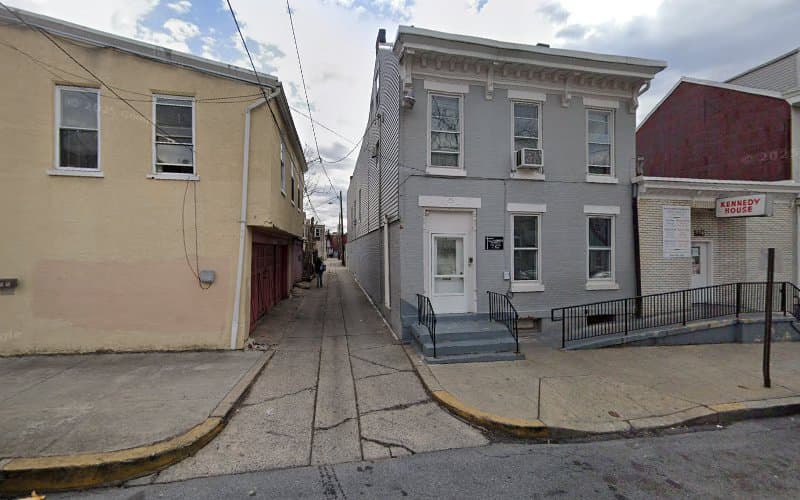
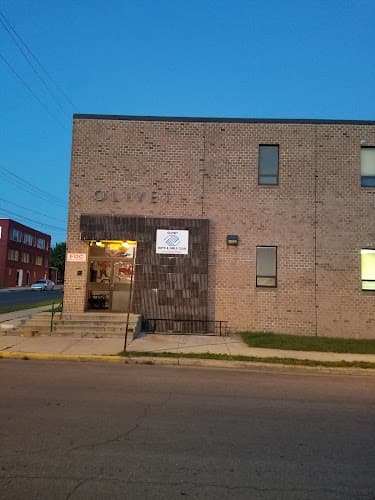
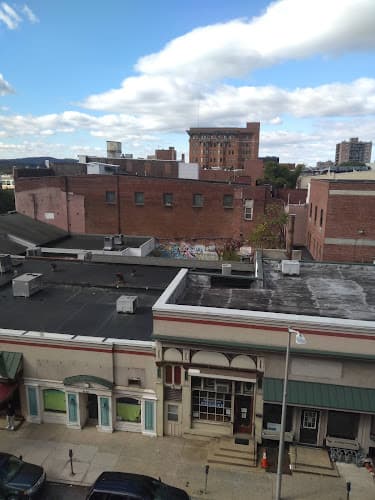
The Clinton Street address places Clubhouse Living within the city of Reading, the county seat of Berks County and one of the larger cities in southeastern Pennsylvania. Reading is a densely built city with a substantial population that relies on walking, transit and rides from family or support workers rather than personal vehicles, which makes a centrally located, city-based community center practical for the people most likely to use it. The site is within reach of downtown Reading and the neighborhoods that surround it, and the broader service area extends into the townships and boroughs of Berks County.
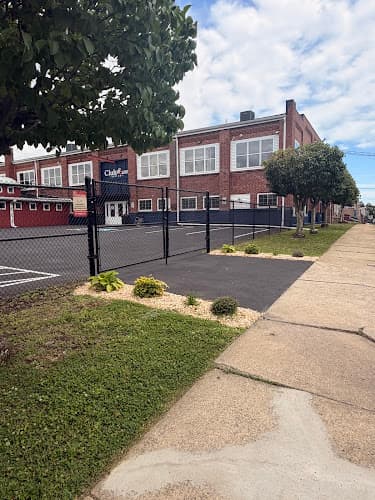
The property includes a wheelchair accessible parking lot, which is useful both for members who drive or are dropped off and for visitors, family members and partner agencies attending meetings or events. Prospective members and their families who have specific questions about building access, entrance routes or accommodations are encouraged to call ahead so staff can describe the layout and make arrangements in advance.
What Visitors and Prospective Members Can Expect
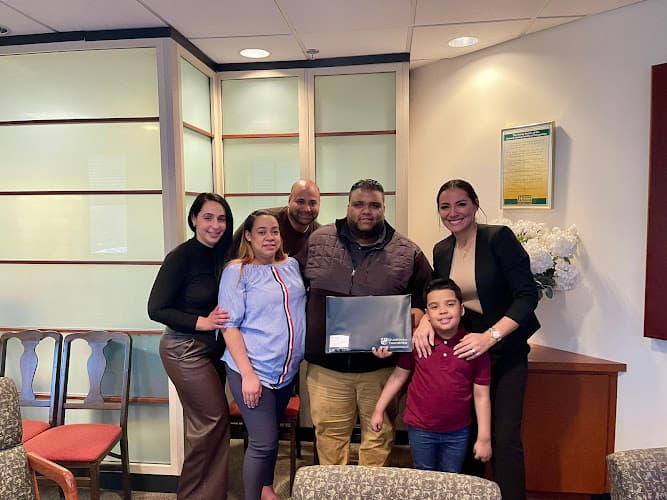
Community centers of this kind generally welcome prospective members for an introductory visit or tour before any commitment is made. A first visit usually involves meeting staff and current members, seeing the space, learning what happens on a typical day and asking questions about how membership works. Because participation is voluntary, there is normally no obligation attached to visiting, and people often attend once or twice before deciding whether the setting suits them.
Daily life at a clubhouse is organized around units or work areas. One group might handle meal preparation and the lunch service, another might manage the front desk, member records and communications, and another might focus on employment support, education goals or community outreach. Members choose where they want to contribute, and the level of involvement can shift over time depending on health, work schedules, family obligations and personal interest.
Because the organization is a nonprofit community center, funding for programs of this type commonly comes through a combination of county behavioral health contracts, state and federal sources, grants, donations and fundraising. That structure often means participation is available at little or no cost to members, though the specifics vary by organization. Questions about eligibility, referrals, hours of operation and any documentation needed are best directed to the organization by phone.
Role in the Reading Community
Reading and Berks County support a network of behavioral health providers, social service agencies, faith organizations and neighborhood groups. A community center occupies a particular niche within that network. Clinical providers deliver treatment, case managers coordinate services and housing agencies address shelter, but the hours between appointments are often where isolation sets in. A center that offers a reliable destination, a shared meal and a reason to be needed fills that gap in a way formal services usually cannot.
That function also has practical downstream effects. Regular participation in a supportive community is associated with steadier daily routines, stronger social networks and improved readiness for employment or schooling. Centers of this kind frequently maintain relationships with local employers, community colleges, transit providers and county offices so that members can pursue goals outside the building with support from inside it.
Practical Information
- Address: 715 Clinton St, Reading, PA 19601, United States
- Phone: +1 484-339-3715
- Category: Community center, operated as a nonprofit organization
- Accessibility: Wheelchair accessible parking lot
- Service area: City of Reading and Berks County, Pennsylvania
Anyone interested in membership, volunteering, donating or arranging a tour should contact the organization directly. Family members, counselors, case managers and other referral sources can also call to discuss whether the setting is a good match for a particular individual and to learn what the intake or orientation process involves. Hours, program schedules and special events are subject to change, so a quick phone call before a first visit is advisable.