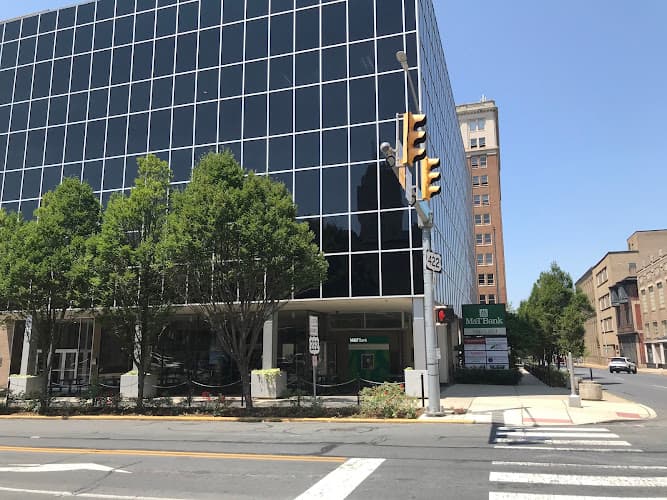
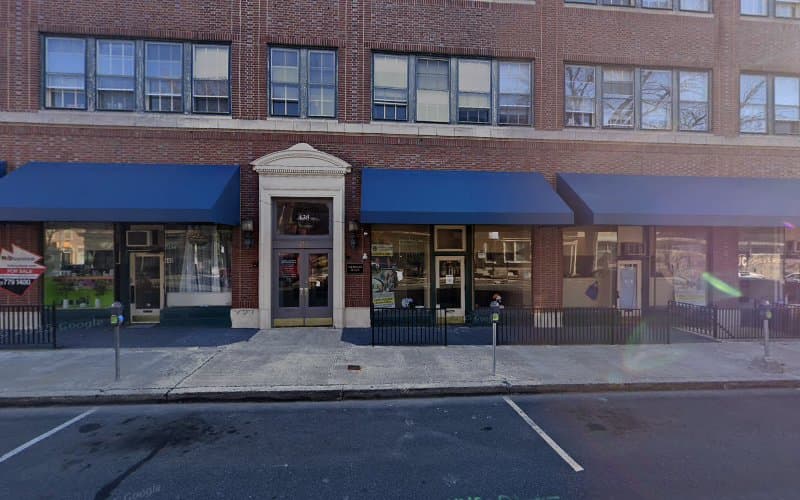
The Council on Chemical Abuse, commonly referred to as COCA, is a Berks County organization based in downtown Reading, Pennsylvania, that focuses on substance use prevention, intervention, treatment access, and recovery support. The office is located at 50 North 5th Street on the fifth floor, placing it within Reading's central business district and near other county and municipal offices. The organization can be reached by phone at +1 610-376-8669.
Rather than functioning strictly as a clinical facility where a person walks in for therapy sessions, COCA operates as a planning, funding, and coordinating body for drug and alcohol services across the county, while also serving as a point of entry for residents who need help finding care. That dual role means the organization works with individuals and families on one side and with treatment providers, schools, courts, and community groups on the other.
Role in the Berks County Service System
Pennsylvania organizes its publicly funded drug and alcohol system through county-level authorities that administer state and federal dollars for local services. COCA fills that role for Berks County. In practical terms, this involves assessing community need, contracting with licensed treatment providers, monitoring how services are delivered, and reporting on outcomes. Funding streams that pass through the organization support a range of programs that would otherwise be difficult for residents to access, particularly for people who are uninsured or underinsured.
Because the organization sits at the center of the county system, staff maintain working relationships with inpatient and outpatient treatment programs, detoxification units, halfway houses, recovery houses, medication assisted treatment providers, and community based recovery organizations. For someone trying to navigate a complicated system during a crisis, that network can shorten the distance between asking for help and receiving it.
Services and Program Areas
The organization's work generally falls into several broad categories:
- Assessment and referral, which helps determine what level of care a person needs and connects them with an appropriate licensed provider in or near Berks County.
- Funding authorization for treatment, including support for individuals who do not have the means to pay for services on their own.
- Case management and continued care coordination, which follows individuals through transitions between levels of care and back into community life.
- Prevention programming delivered in schools, workplaces, and community settings, often aimed at youth, families, and adults who influence young people's decisions.
- Intervention services that reach people earlier, including efforts connected to student assistance programs and criminal justice involved populations.
- Recovery support activities, which address housing, employment, transportation, peer support, and other factors that influence whether recovery is sustainable over time.
The organization also participates in county responses to the opioid crisis, including overdose prevention education, naloxone distribution efforts, and public awareness campaigns. Data collection and community needs assessment form a quieter but important part of the work, informing where resources are directed in future years.
Training and Workforce Development
One of the more visible functions of the organization is education and training for people entering or already working in the behavioral health field. COCA hosts and coordinates coursework relevant to counselors, prevention specialists, case managers, peer supporters, and volunteers. Among the best known offerings is preparation associated with the Certified Recovery Specialist credential, a Pennsylvania certification designed for people who use their own lived experience of recovery to support others navigating the same path.
Training sessions typically cover topics such as ethics and boundaries, confidentiality requirements, trauma informed practice, motivational approaches, documentation standards, and the specifics of Pennsylvania's regulatory environment. For professionals who need continuing education hours to maintain credentials, locally available coursework removes the burden of traveling to Philadelphia, Harrisburg, or Pittsburgh. For people new to the field, the training calendar functions as an entry point into a regional network of practitioners and peer specialists.
Community Partnerships
Much of the organization's influence comes through collaboration rather than direct service. COCA works alongside statewide advocacy groups, federal agencies and grant programs, county criminal justice partners, school districts, health systems, and local recovery community organizations. Coalition work brings together stakeholders who might not otherwise share a table, including educators, law enforcement officers, clinicians, faith leaders, people in recovery, and family members affected by a loved one's substance use.
These partnerships also extend to advocacy at the policy level. Staff and affiliated community members participate in conversations about funding priorities, treatment access, stigma reduction, and the design of recovery friendly systems in Berks County and across Pennsylvania.
Location, Access, and Practical Information
The fifth floor office at 50 North 5th Street sits in central Reading, an area served by local bus routes and within walking distance of the Berks County courthouse and services district. Metered street parking and nearby parking garages serve visitors arriving by car. The building offers a wheelchair accessible entrance and a wheelchair accessible parking lot, which supports access for visitors with mobility needs attending appointments, meetings, or training sessions.
Because programs, training schedules, and intake procedures change over time, calling ahead is the most reliable way to confirm current office hours, required documentation, appointment availability, and whether a particular service requires a referral.
Who the Organization Serves
Berks County residents seeking treatment for themselves or a family member represent one core audience. Parents, teachers, and youth workers looking for prevention resources represent another. Professionals pursuing credentials or continuing education make up a third group, as do treatment providers and community organizations that contract with or partner alongside the agency. Employers, municipalities, and civic groups also draw on the organization for education about substance use, overdose response, and recovery friendly practices.
For a county that has faced the same pressures from opioids, alcohol, and stimulants as much of Pennsylvania, having a single organization responsible for coordinating prevention, treatment, and recovery resources gives residents a clear starting point when they are not sure where else to begin.