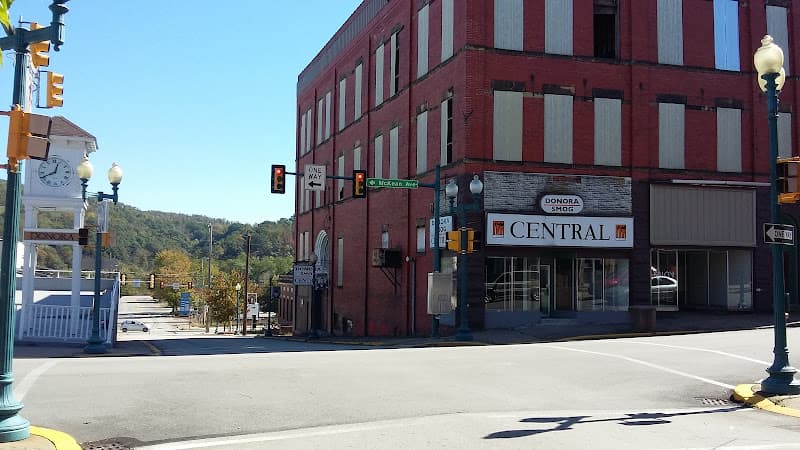
Donora Smog Museum
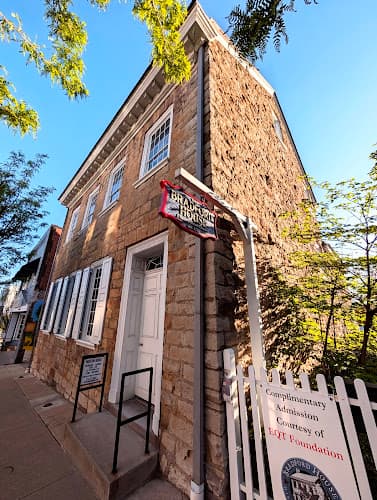
The Donora Smog Museum in Donora, Pennsylvania, offers a unique look into the town's industrial history and environmental legacy.
What people love about Donora Smog Museum
The Stan Musial Connection/Display
The baseball legend's connection to Donora is mentioned by multiple reviewers as an interesting bonus element that adds broader appeal beyond the smog history.
Annual Cement City Walking Tour
This specific program receives a perfect rating and enthusiastic praise, suggesting it's a standout offering beyond the regular museum experience.
Gift Shop Merchandise
Multiple reviewers mention purchasing merchandise, indicating the gift shop successfully offers appealing items that visitors want to buy as souvenirs.
Connection to Clean Air Act History
Reviewers, including environmental professionals, appreciate how the museum connects local history to nationally significant environmental legislation, giving the experience broader relevance.
Key Themes from Reviews of Donora Smog Museum
Educational Value & Historical Content
PositiveCustomers consistently praise the museum for being highly educational, offering comprehensive information about the 1948 Donora Smog disaster and local history from multiple perspectives.
Knowledgeable & Friendly Staff/Volunteers
PositiveVisitors frequently highlight that the docents and volunteers are exceptionally knowledgeable, friendly, and passionate about sharing the museum's history.
Museum Size & Scope
MixedWhile reviewers acknowledge the museum is small, most feel the quality and depth of content makes up for the limited physical space.
Unique & Singular Experience
PositiveCustomers appreciate that the museum offers a distinctive experience not found elsewhere, covering a historically significant but lesser-known event.
Artifact Collection Quality
PositiveReviewers praise the museum's collection of historical artifacts, imagery, and curated items that effectively tell Donora's story.
About Donora Smog Museum
Documenting America's Deadliest Air Pollution Disaster
The Donora Smog Museum, located at 595 McKean Avenue in Donora, Pennsylvania, serves as the primary repository of historical materials and educational resources related to the 1948 Donora Smog disaster. This environmental catastrophe, which claimed the lives of approximately 20 residents and sickened nearly half of the town's 14,000 inhabitants over five days in late October 1948, stands as one of the most significant air pollution events in American history and played a direct role in shaping federal environmental policy.
The museum operates under the auspices of the Donora Historical Society, which maintains the facility and its collections. Situated in the Mon Valley region of southwestern Pennsylvania, approximately 25 miles south of Pittsburgh, the museum occupies space in a town that was once a thriving industrial center, home to zinc smelting and steel wire manufacturing operations that contributed to the deadly atmospheric conditions of October 1948.
Historical Context of the 1948 Disaster
The events that the museum commemorates occurred between October 27 and 31, 1948, when a temperature inversion trapped industrial emissions from the local zinc works and steel mills in the narrow Monongahela River valley. The resulting toxic fog, laden with sulfur dioxide, carbon monoxide, and metal particulates, blanketed the town for nearly five days. Visibility dropped to near zero, and residents reported difficulty breathing, with many collapsing in the streets.
The death toll, while officially recorded at 20, may have been higher according to some historical analyses. In the months following the disaster, an additional 50 deaths were attributed to respiratory complications linked to the smog exposure. The event drew national attention and prompted scientific investigations that would eventually influence the passage of the Clean Air Act of 1963 and its subsequent amendments, making Donora a significant site in the history of American environmental regulation.
Museum Collections and Exhibits
The Donora Smog Museum houses a curated collection of artifacts, photographs, documents, and interpretive displays that chronicle both the 1948 disaster and the broader history of Donora as an industrial community. The permanent exhibitions present primary source materials from the period, including newspaper accounts, medical records, and personal testimonies from survivors and their families.
Beyond the smog-related materials, the museum maintains exhibits covering the general history of Donora, including its development as a company town, the ethnic communities that settled there to work in the mills, and the town's cultural and social history throughout the twentieth century. Visitors can view historical imagery depicting daily life in Donora during its industrial peak, providing context for understanding the community that experienced the disaster.
The museum also features displays related to notable individuals with connections to Donora, including baseball Hall of Famer Stan Musial, who grew up in the town during the era of the smog disaster. Musial, who went on to become one of the greatest players in Major League Baseball history, represents one of several prominent figures to emerge from this small Pennsylvania mill town.
Educational Programming and Tours
The museum offers guided tours led by volunteer docents who provide detailed explanations of the exhibits and historical context. These volunteers, many of whom have personal or family connections to the events of 1948, bring firsthand knowledge and local perspective to the visitor experience. The tours cover not only the scientific and medical aspects of the disaster but also its social impact on the community and its lasting significance for environmental policy.
An annual Cement City walking tour extends the educational experience beyond the museum walls, taking participants through the streets of Donora to view significant historical sites and architecture. This program provides visitors with a broader understanding of the town's geography and how the valley's physical characteristics contributed to the conditions that made the 1948 disaster possible.
The museum welcomes school groups and educational organizations, with programming suitable for children and students studying environmental science, American history, or public health. The facility's exhibits present complex scientific and historical information in accessible formats appropriate for various age groups.
Facilities and Visitor Information
The museum facility includes restroom facilities and a cafe area for visitor convenience. A gift shop offers merchandise including apparel and other items related to Donora history and the museum's mission. The selection includes t-shirts and sweatshirts in various sizes, providing visitors with tangible mementos of their visit.
Accessibility features include wheelchair-accessible entrances, restrooms, and parking areas, ensuring that visitors with mobility limitations can fully experience the museum's offerings. These accommodations reflect the facility's commitment to serving all members of the public interested in learning about this significant chapter in American environmental history.
Significance in Environmental History
The Donora Smog Museum occupies a unique position among American museums as one of the few institutions dedicated specifically to documenting an air pollution disaster and its consequences. The 1948 event it commemorates is widely recognized by environmental historians and public health scholars as a turning point in American awareness of industrial air pollution's dangers.
Prior to Donora, air pollution was generally accepted as an inevitable byproduct of industrial prosperity. The deaths and widespread illness in this Pennsylvania town demonstrated in stark terms that unregulated emissions posed serious public health risks. The scientific studies conducted in Donora's aftermath provided crucial data that informed subsequent air quality research and policy development.
The museum serves as both a memorial to those who died or suffered during the disaster and as an educational resource for understanding how environmental catastrophes can drive policy change. Its collections and programming connect local history to national and international discussions about air quality, industrial regulation, and environmental justice.
Location and Regional Context
Donora sits along the Monongahela River in Washington County, Pennsylvania, within the greater Pittsburgh metropolitan area. The town's location in a river valley surrounded by hills created the topographical conditions that trapped pollutants during the 1948 inversion event. Today, the former industrial sites have largely been remediated, and the town's population has declined significantly from its mid-century peak.
The museum provides visitors with an opportunity to see firsthand the landscape where these historical events unfolded. The surrounding Mon Valley region contains numerous other sites related to the steel industry and its environmental legacy, making Donora part of a broader network of locations significant to understanding Pennsylvania's industrial and environmental history.
For visitors traveling to the area, the museum is accessible via McKean Avenue in central Donora. Those interested in visiting should contact the museum directly at +1 724-823-0364 or consult the Donora Historical Society website at donorahistoricalsociety.org for current hours of operation and any special programming or events.
Unique Details About Donora Smog Museum
Children
- Good for kids
Amenities
- Cafe
- Restroom
- Offers tours
Offerings
- Gift shop
Accessibility
- Wheelchair accessible entrance
- Wheelchair accessible restroom
- Wheelchair accessible parking lot
Contact Information for Donora Smog Museum
Donora, PA 15033
United States of America
County: Washington County
Phone: +1 724-823-0364
Website: Visit Website
Customer Reviews
4.6 out of 5 stars
Based on 44 reviews
Review data
5 star reviews
- 82%
4 star reviews
- 9%
3 star reviews
- 0%
2 star reviews
- 5%
1 star reviews
- 5%
Working Hours / Hours of Operation
- Monday:
- Closed
- Tuesday:
- Closed
- Wednesday:
- Closed
- Thursday:
- Closed
- Friday:
- Closed
- Saturday:
- 11AM-3PM
- Sunday:
- Closed
Location Map
Similar Museums Near Donora, PA
BerksConnect: everything local in Berks County, PA.
8,700+ local businesses with AI-summarized reviews, plus local guides, jobs, and what's happening around the county.