History museum
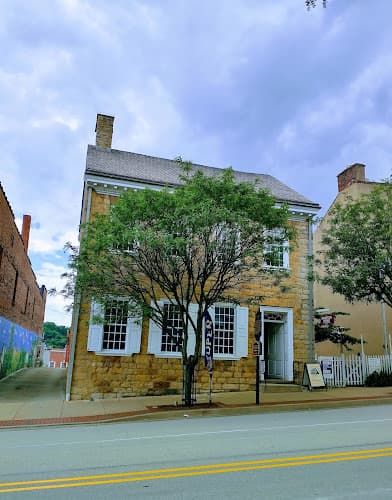
Bradford House Museum
4.8(76)Washington
The Bradford House Museum in Washington, Pennsylvania, offers visitors a chance to explore historical exhibits and learn about the region's rich heritage.
The Pennsylvania Trolley Museum in Washington, Pennsylvania offers a rich exploration of trolley history through engaging exhibits and historic rides.
Multiple reviewers specifically mention these holiday events with exceptional enthusiasm, describing them as beloved family traditions with activities, crafts, and memorable experiences that bring families back year after year.
Wowowow! What an amazing Christmas event! The trolley ride to Santa was epic!!!! We loved our family picture!
We bring the grandkids every year for the Santa Trolley. There are so many activities for the kids to do!
This specific amenity is called out with particular appreciation by multiple parents as an unexpected and thoughtful feature that goes above and beyond typical museum offerings.
For breastfeeding moms or moms of smaller infants, they have a couple rooms dedicated to that. The breastfeeding room was impressive and super clean.
A big plus was the nursing room, it was so nice and even had diapers/wipes/water. Good job, more places need to do this!!
Customers consistently praise the staff and volunteers for being exceptionally friendly, knowledgeable, passionate about trolley history, and helpful with visitors of all ages.
The volunteers are wonderful—knowledgeable, friendly, and always ready to help you find your way.
The personnel are incredible, kind, and knowledgeable.
Visitors highlight the working, engaging interactive displays as a major draw that keeps both children and adults entertained while learning about trolley history.
The interactive exhibits are fun and the trolleys are beautiful.
All interactive exhibits work and are unique.
Customers are impressed by the well-maintained, clean, and beautifully designed new facility that presents the collection in an organized, professional manner.
Everything clean and bright, all the interactive displays are operable. Very little clutter or 'junk' around.
The new museum is incredibly sleek and modern with amazing pieces of history inside.
The authentic trolley rides through scenic countryside are consistently cited as a highlight, with unlimited rides included in admission being a great value.
The trolley rides are an awesome highlight, offering a unique and nostalgic experience.
This is the most fun you will ever have doing less than 25 MPH. It has beautiful scenery and some wildlife to photograph.
The Pennsylvania Trolley Museum is a nonprofit educational institution dedicated to the preservation, restoration, and interpretation of electric railway heritage in the United States. Located at 1 Electric Way in Washington, Pennsylvania, approximately 30 miles southwest of Pittsburgh, the museum operates as one of the oldest and most comprehensive trolley museums in North America. The facility houses an extensive collection of historic streetcars, interurban cars, and related transit vehicles, many of which remain operational on the museum's demonstration railway.
The museum serves as both a working preservation facility and an educational resource, offering visitors the opportunity to ride authentic electric trolleys along a scenic right-of-way while learning about the significant role streetcar systems played in American urban development during the late 19th and early 20th centuries.
The Pennsylvania Trolley Museum traces its origins to 1949 when a group of transit enthusiasts formed the Arden Trolley Museum in Washington County. The organization was established during a period when electric streetcar systems across the United States were being rapidly dismantled in favor of buses and automobiles. Recognizing the historical significance of these vehicles and the infrastructure that supported them, the founders began acquiring trolley cars that would otherwise have been scrapped.
Over the following decades, the museum expanded its collection and facilities, eventually relocating to its current site along a portion of the former Washington County Railway right-of-way. This location proved ideal as it allowed the museum to operate its trolleys on original railway infrastructure, providing an authentic context for the vehicles in its care. The organization formally adopted the name Pennsylvania Trolley Museum to better reflect its mission and geographic focus.
The museum underwent significant modernization in recent years with the construction of a new main building that houses exhibits, visitor amenities, and educational spaces. This facility represents a substantial investment in the museum's future and its ability to present its collection in a professional, accessible manner.
The Pennsylvania Trolley Museum maintains one of the largest collections of electric railway vehicles in the eastern United States. The collection encompasses streetcars, interurban cars, work equipment, and related artifacts spanning more than a century of electric traction history. Vehicles in the collection represent transit systems from across Pennsylvania and neighboring states, including cars from Pittsburgh, Philadelphia, Johnstown, and numerous smaller communities.
A distinguishing characteristic of the collection is the operational status of many vehicles. Unlike static museum displays, numerous trolleys in the Pennsylvania Trolley Museum's care have been restored to full working condition and operate regularly on the demonstration railway. This approach allows visitors to experience electric railway travel as passengers did during the streetcar era, rather than simply viewing the vehicles as stationary exhibits.
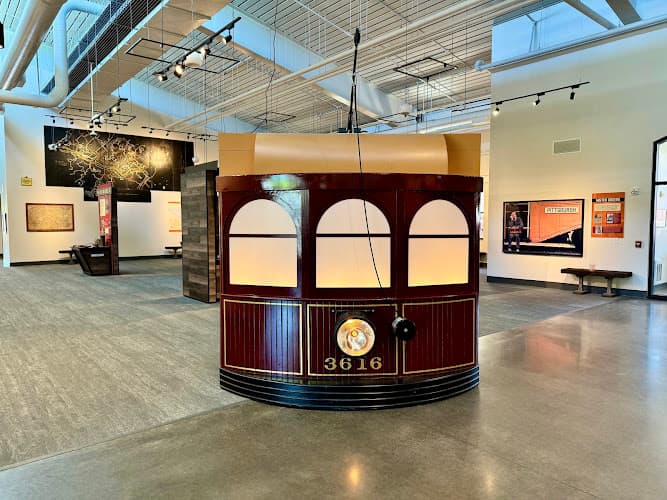
The museum's display building houses a large portion of the collection in a climate-controlled environment. Visitors can walk through this facility and, in many cases, enter the trolley cars themselves to examine interior details, seating arrangements, and operator controls. This hands-on access provides an immersive educational experience that static displays cannot replicate.
Preservation and restoration work continues as an ongoing activity at the museum. Skilled volunteers and staff members work to stabilize, restore, and maintain vehicles using period-appropriate techniques and materials wherever possible. This work ensures that the collection remains viable for future generations while maintaining historical authenticity.
Central to the museum experience is the operating trolley line, which carries passengers along approximately four miles of track through the rural Pennsylvania countryside. The route follows a portion of the original Washington County Railway right-of-way, passing through wooded areas and open fields that provide a scenic backdrop for the journey.
Museum admission includes unlimited trolley rides throughout the day of visit, allowing guests to experience multiple trips aboard different vehicles. The museum typically operates several trolleys during open hours, rotating equipment to provide variety and to distribute wear across the operational fleet. Volunteer operators and conductors staff each trip, sharing historical information about the specific vehicle in service and the broader context of electric railway history.
The trolley line includes several stops along its length, with the main boarding area located adjacent to the museum building. The leisurely pace of travel, typically well under 25 miles per hour, allows passengers to appreciate the scenery and the mechanical operation of the vehicles. Wildlife sightings along the route are common, adding to the pastoral character of the experience.
The museum's main building contains permanent exhibits exploring various aspects of electric railway history, technology, and social impact. Interactive displays allow visitors to engage with the subject matter through hands-on activities rather than passive observation. These exhibits address topics including the electrification of urban transit, the role of streetcars in suburban development, the mechanics of electric traction, and the eventual decline of streetcar systems in mid-20th century America.
Educational programming extends beyond the permanent exhibits to include guided tours, special presentations, and school group visits. The museum's volunteer corps includes individuals with deep knowledge of electric railway history who share their expertise with visitors throughout the facility.
The museum has developed inclusive programming initiatives, including sensory-friendly events designed to accommodate visitors with autism spectrum disorders and other sensory processing differences. These events typically feature reduced noise levels, modified lighting, and trained staff prepared to assist families with specific needs.
Throughout the year, the Pennsylvania Trolley Museum hosts special events that draw visitors beyond the regular operating season. Holiday-themed events have become particularly popular, with the Santa Trolley and Bunny Trolley programs attracting families who return annually. These events typically feature decorated trolleys, themed activities, and opportunities for photographs with seasonal characters.
The museum also participates in broader community events and hosts private functions, including birthday parties and group outings. The combination of indoor exhibit space and outdoor railway operations provides flexibility for various event formats.
The museum facility includes amenities designed to accommodate visitors of various ages and abilities. Restroom facilities, including gender-neutral options, are available in the main building. A gift shop offers trolley-related merchandise, books, and souvenirs. While the museum does not operate a restaurant, the facility is equipped with basic visitor services.
Accessibility features include wheelchair-accessible entrances, restrooms, and parking areas. The museum has made efforts to ensure that visitors with mobility limitations can participate in the trolley experience and access exhibit areas.
Family-oriented amenities include a dedicated play area for children and nursing facilities for parents with infants. These provisions reflect the museum's recognition that family groups constitute a significant portion of its visitorship.
Parking is available on-site at no additional charge, with both a dedicated lot and street parking options. The museum's location along Electric Way provides straightforward access from regional roadways.
The Pennsylvania Trolley Museum operates as a 501(c)(3) nonprofit organization, relying on admission revenue, membership dues, donations, and volunteer labor to sustain its operations. The volunteer workforce is essential to museum operations, with dedicated individuals contributing thousands of hours annually to vehicle operation, restoration work, visitor services, and administrative functions.
Prospective visitors can obtain current operating hours, admission rates, and event schedules by telephone at 724-228-9256. Operating schedules vary seasonally, with expanded hours during peak visitation periods and special events.
County: Washington County
Phone: +1 724-228-9256
Website: Visit Website
4.8 out of 5 stars
Based on 877 reviews
5 star reviews
4 star reviews
3 star reviews
2 star reviews
1 star reviews
History museum
The Bradford House Museum in Washington, Pennsylvania, offers visitors a chance to explore historical exhibits and learn about the region's rich heritage.
Museum
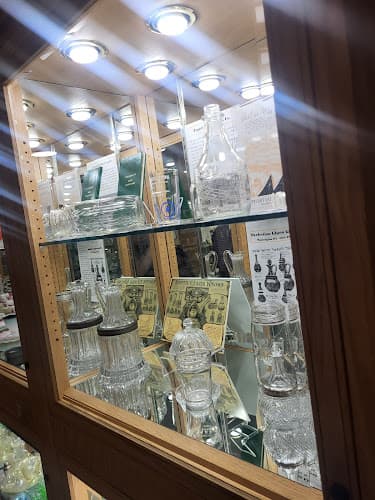
The Duncan Miller Glass Museum in Washington, Pennsylvania, showcases a rich collection of historic glass artifacts, offering a unique glimpse into the region's vibrant glassmaking legacy.
Museum
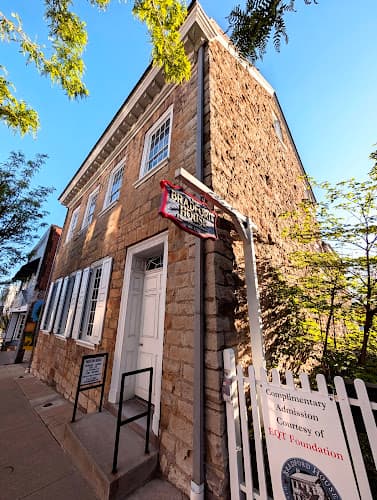
Whiskey Rebellion Education & Visitor Center in Washington, Pennsylvania is a museum dedicated to exploring the rich history of the Whiskey Rebellion. Visitors can delve into engaging exhibits and discover the story…
Museum
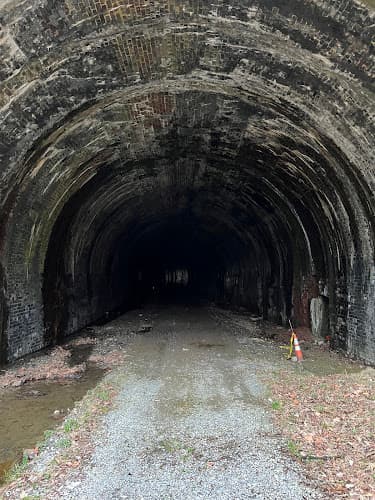
Claysville RR Tunnel in Donegal Township is a museum dedicated to preserving the rich history of railway tunnels, offering visitors a unique glimpse into transportation heritage.
Museum
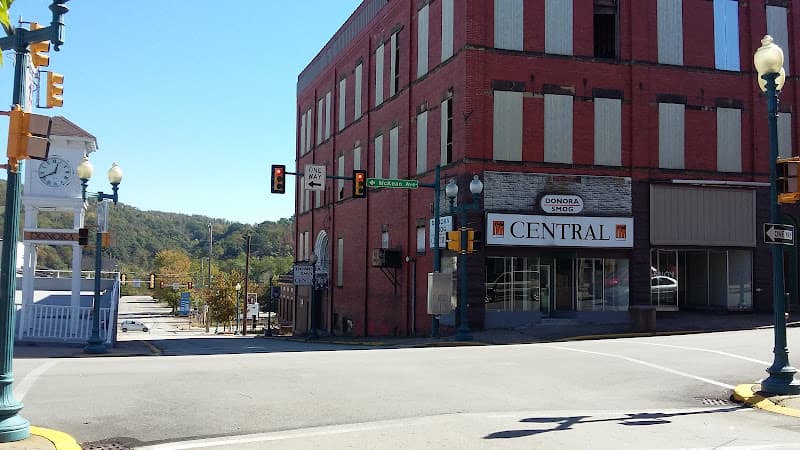
The Donora Smog Museum in Donora, Pennsylvania, offers a unique look into the town's industrial history and environmental legacy.