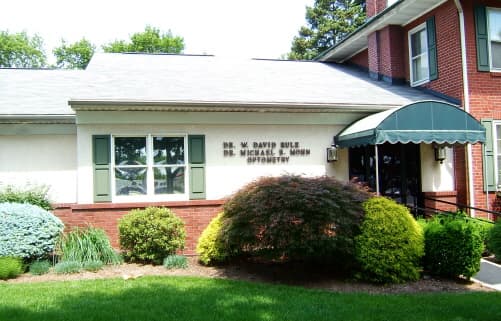
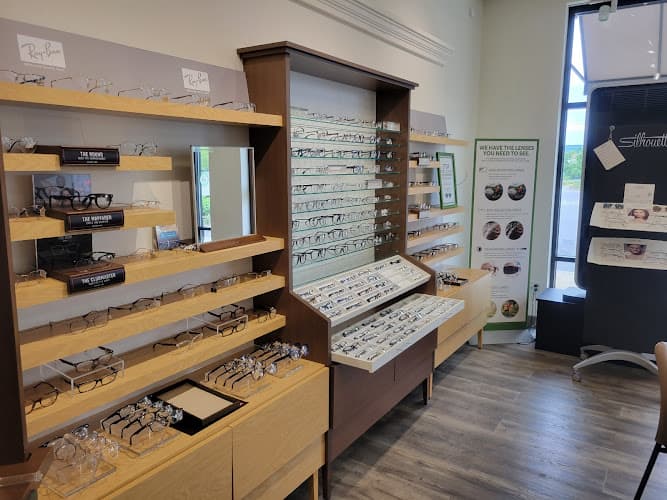
Dr. Jeff Stefanick operates an optometry practice located at 50 Berkshire Court in Wyomissing, Pennsylvania. The practice provides eye care services to residents of Wyomissing and the surrounding Berks County region. As an optometrist, Dr. Stefanick offers professional vision care services including comprehensive eye examinations, vision correction consultations, and ongoing ocular health management for patients across various age groups.
Location and Setting
The practice is situated in Wyomissing, a borough in Berks County, Pennsylvania, that forms part of the greater Reading metropolitan area. Wyomissing is a well-established community located immediately west of Reading, known for its residential neighborhoods and commercial districts. The Berkshire Court address places the practice in an accessible area of the borough, convenient for patients traveling from Reading, West Reading, Shillington, Sinking Spring, and other nearby communities in Berks County.
The Reading metropolitan area, with a population of approximately 420,000 residents, supports numerous healthcare providers across various specialties. Optometry practices in this region serve a diverse patient population that includes families, working professionals, retirees, and students from local educational institutions.
Services Typically Offered by Optometry Practices
Optometrists are primary eye care providers who diagnose and treat a wide range of vision and eye health conditions. While specific services may vary by practice, optometry offices generally provide the following categories of care:
- Comprehensive eye examinations to assess visual acuity and overall eye health
- Refraction testing to determine prescriptions for corrective lenses
- Contact lens fittings and follow-up care
- Diagnosis and management of common eye conditions such as dry eye syndrome, conjunctivitis, and allergies
- Screening for eye diseases including glaucoma, cataracts, and macular degeneration
- Pediatric eye examinations for children
- Pre-operative and post-operative care for patients undergoing eye surgery
- Management of eye-related complications from systemic conditions such as diabetes and hypertension
Many optometry practices also maintain relationships with ophthalmologists and other specialists to facilitate referrals when patients require surgical intervention or treatment for complex conditions beyond the scope of optometric care.
The Role of Optometrists in Primary Eye Care
Optometrists complete a Doctor of Optometry degree following undergraduate education, which involves four years of specialized training in vision science, ocular anatomy, pharmacology, and clinical practice. In Pennsylvania, optometrists are licensed to perform eye examinations, prescribe corrective lenses, diagnose eye diseases, and prescribe certain medications for eye conditions.
Regular eye examinations serve multiple purposes beyond simply updating eyeglass or contact lens prescriptions. Comprehensive eye exams can detect early signs of serious health conditions, including diabetes, high blood pressure, and certain neurological disorders, sometimes before other symptoms become apparent. The American Optometric Association recommends that adults between ages 18 and 64 receive a comprehensive eye examination at least every two years, with annual examinations recommended for those over 65 or those with risk factors for eye disease.
Accessibility Features
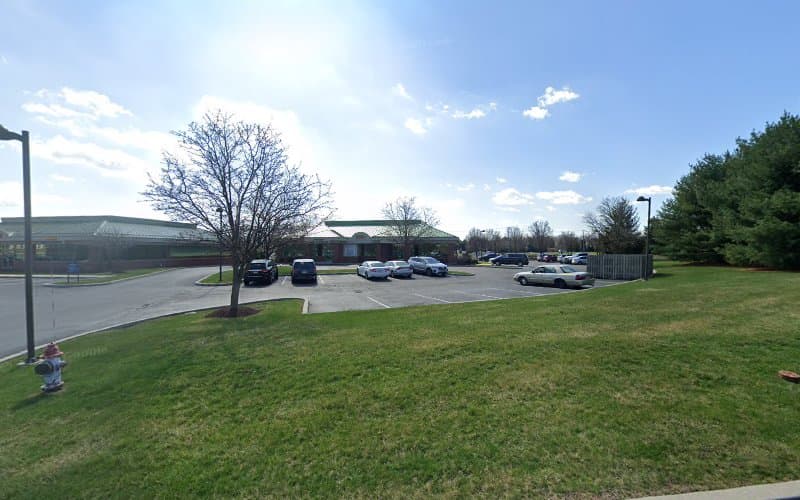
The practice at 50 Berkshire Court has implemented accessibility accommodations to serve patients with mobility limitations. The facility includes a wheelchair accessible entrance, allowing patients who use wheelchairs or other mobility devices to enter the building without barriers. The office also provides wheelchair accessible restroom facilities and maintains a parking area with wheelchair accessible spaces.
These accessibility features reflect compliance with the Americans with Disabilities Act and demonstrate consideration for patients who may face challenges navigating traditional medical office environments. For elderly patients, those recovering from injuries, or individuals with permanent disabilities, such accommodations can significantly impact the ability to receive regular eye care.
Appointment Information
The practice operates on an appointment-recommended basis, meaning that while walk-in patients may be accommodated when schedules permit, patients are encouraged to schedule appointments in advance. This approach allows the practice to allocate appropriate time for each patient's needs and minimize wait times. Prospective patients can contact the office at 610-374-3134 to schedule appointments or inquire about available times.
Appointment-based scheduling is standard practice in optometry offices, as comprehensive eye examinations typically require 30 to 60 minutes depending on the complexity of the patient's needs and any additional testing required. Patients visiting for specific concerns, contact lens fittings, or follow-up appointments may have varying appointment lengths based on the nature of their visit.
Eye Care in the Digital Age
Modern optometry practices increasingly address vision concerns related to digital device usage. Extended screen time from computers, smartphones, and tablets has contributed to a rise in symptoms collectively known as digital eye strain or computer vision syndrome. These symptoms can include eye fatigue, headaches, dry eyes, and difficulty focusing. Optometrists can provide guidance on reducing digital eye strain through proper ergonomics, appropriate eyewear, and behavioral modifications.
Additionally, concerns about blue light exposure from digital devices have prompted interest in specialized lens coatings and filters. While research on the long-term effects of blue light exposure continues, many patients seek advice from their optometrists regarding protective measures and optimal screen habits.
Importance of Regular Eye Care
Maintaining regular eye care appointments serves as an important component of overall health management. Many eye conditions develop gradually without noticeable symptoms in their early stages. Glaucoma, often called the silent thief of sight, can cause irreversible vision loss before patients become aware of any problem. Similarly, diabetic retinopathy can progress significantly before affecting vision, making regular screenings essential for patients with diabetes.
For children, early detection of vision problems can impact academic performance and development. Undiagnosed vision issues may manifest as difficulty reading, poor attention in school, or reluctance to participate in activities requiring clear vision. Pediatric eye examinations can identify conditions such as amblyopia, commonly known as lazy eye, which responds best to treatment when caught early.
Contact Information
Patients seeking to schedule appointments or obtain information about services can reach Dr. Jeff Stefanick's office by telephone at 610-374-3134. The practice is located at 50 Berkshire Court, Wyomissing, PA 19610. Prospective patients may wish to contact the office directly to inquire about accepted insurance plans, new patient procedures, and current appointment availability.