Dr. Nancy Nelson, VMD operates a veterinary practice located at 2333 Penn Ave in West Lawn, Pennsylvania. The practice is affiliated with Larkin Veterinary Center and serves pet owners in the greater Reading area of Berks County. The VMD designation following Dr. Nelson's name indicates she holds a Veterinariae Medicinae Doctoris degree, the Latin equivalent of the Doctor of Veterinary Medicine (DVM) credential, which is specifically conferred by the University of Pennsylvania School of Veterinary Medicine.
Location and Accessibility
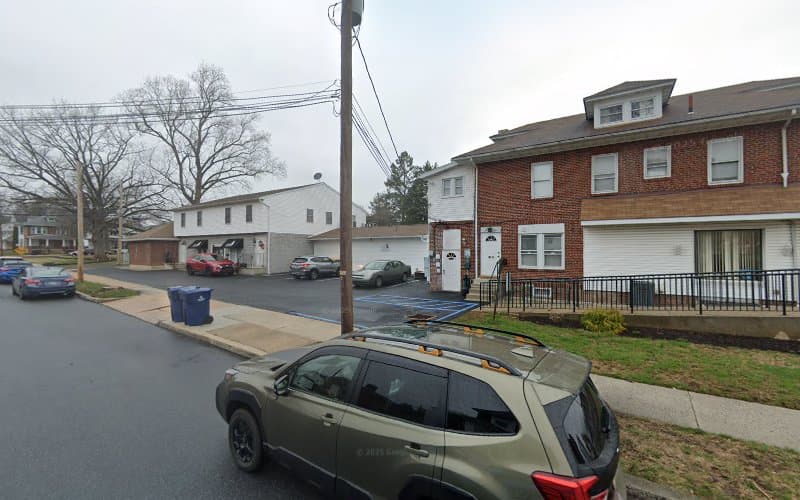
The practice is situated along Penn Avenue in West Lawn, a census-designated place in Spring Township, Berks County. West Lawn sits approximately three miles west of downtown Reading and forms part of the broader Reading metropolitan area. Penn Avenue serves as one of the primary commercial corridors in this region, providing convenient access for residents throughout the surrounding communities.
The facility offers wheelchair accessible parking, making it easier for clients with mobility challenges to visit with their pets. This accessibility feature reflects consideration for the diverse needs of pet owners who may require accommodations when transporting animals for veterinary care.
Appointment Information
The practice operates on an appointment-recommended basis, which is standard protocol for most veterinary clinics. This scheduling approach allows the veterinary team to allocate appropriate time for each patient, maintain organized patient flow, and ensure that animals receive focused attention during their visits. Pet owners seeking services are encouraged to contact the office at 484-258-3343 to schedule appointments in advance.
The VMD Credential
The VMD degree held by Dr. Nelson carries particular significance in the veterinary profession. The University of Pennsylvania School of Veterinary Medicine, founded in 1884, is the only veterinary school in the United States that awards the VMD degree rather than the more common DVM. Both degrees represent equivalent training and qualification for veterinary practice, but the VMD designation indicates completion of studies at Penn Vet, which maintains a reputation as one of the leading veterinary educational institutions in the country.
Veterinarians who earn their degree from Penn Vet complete a rigorous four-year professional program following undergraduate education. The curriculum encompasses comprehensive training in animal anatomy, physiology, pharmacology, pathology, surgery, and clinical medicine across multiple species. This educational background prepares practitioners to diagnose and treat a wide range of conditions affecting companion animals.
Veterinary Services in Context
General veterinary practices typically provide a range of services essential to maintaining animal health throughout their lifespans. While specific service offerings vary by practice, standard veterinary care generally encompasses preventive medicine, diagnostic services, medical treatment, and surgical procedures.
Preventive care forms the foundation of veterinary medicine and typically includes vaccination protocols, parasite prevention programs, nutritional counseling, and wellness examinations. Regular wellness visits allow veterinarians to establish baseline health parameters for each patient and detect potential health concerns before they develop into more serious conditions.
Diagnostic capabilities at veterinary practices may include physical examination, laboratory testing of blood and urine samples, imaging studies, and other evaluative procedures. These tools enable veterinarians to identify underlying causes of illness and develop appropriate treatment plans tailored to individual patients.
Medical treatment encompasses management of acute illnesses, chronic conditions, and injuries through pharmaceutical intervention, therapeutic protocols, and ongoing monitoring. Veterinarians work with pet owners to develop treatment approaches that address both the medical needs of the animal and the practical considerations of the household.
Surgical services at general practices commonly include spay and neuter procedures, mass removals, dental extractions, and various soft tissue surgeries. More complex surgical cases may be referred to veterinary specialists or emergency facilities equipped for advanced procedures.
The Role of the Companion Animal Veterinarian
Companion animal veterinarians serve as primary care providers for pets, functioning in a role analogous to family physicians in human medicine. They develop ongoing relationships with both animals and their owners, tracking health histories over time and providing continuity of care throughout the pet's life.
This continuity proves particularly valuable as animals age and their health needs evolve. A veterinarian familiar with a patient's history can more readily identify subtle changes that might indicate developing health issues, and can adjust care recommendations based on knowledge of how that individual animal has responded to previous treatments.
Beyond direct medical care, veterinarians also serve as resources for pet owners navigating decisions about nutrition, behavior, preventive care, and end-of-life considerations. The veterinarian-client relationship ideally functions as a partnership focused on optimizing animal welfare within the context of each family's circumstances.
Berks County Veterinary Landscape
Berks County maintains a substantial population of companion animals, reflecting national trends in pet ownership. The county's mix of suburban and rural communities creates demand for veterinary services addressing the needs of both traditional companion animals and, in some cases, livestock and equine patients in the more agricultural portions of the region.
West Lawn's location within the Reading metropolitan area places it within reach of pet owners from numerous surrounding communities, including Wyomissing, Shillington, Sinking Spring, and portions of Reading itself. The Penn Avenue corridor provides accessible transportation routes from multiple directions.
Practical Considerations for Pet Owners
When selecting a veterinary provider, pet owners typically consider factors including location convenience, appointment availability, the range of services offered, and the rapport between the veterinary team and both the animal and owner. The recommendation to schedule appointments in advance suggests that the practice maintains an organized approach to patient care that allows for dedicated attention during each visit.
Pet owners visiting any veterinary practice benefit from preparing relevant information before appointments, including current medications, recent changes in behavior or appetite, and specific concerns they wish to address. This preparation helps maximize the value of appointment time and ensures that important issues receive appropriate attention.
For routine care, many veterinary practices recommend annual wellness examinations for adult pets, with more frequent visits for puppies, kittens, senior animals, and those with chronic health conditions. These regular check-ups provide opportunities for preventive care and early detection of potential health issues.
Contact Information
Dr. Nancy Nelson's practice can be reached by telephone at 484-258-3343. The physical location at 2333 Penn Ave in West Lawn offers wheelchair accessible parking for clients who require this accommodation.