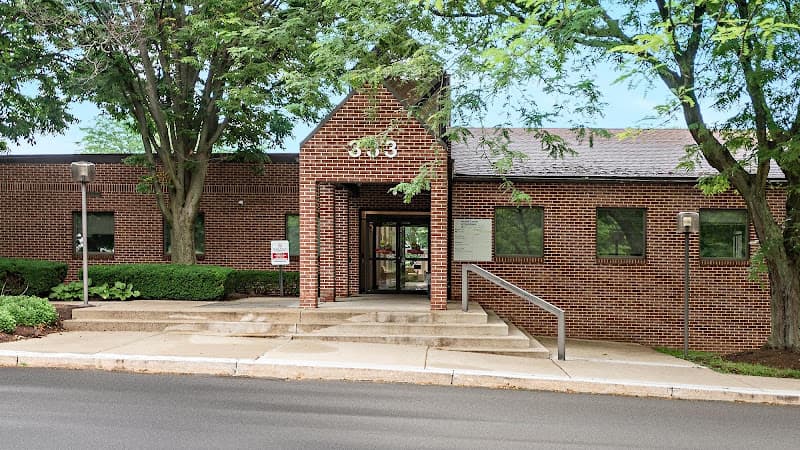
Hometown Hearing Aids is a hearing healthcare practice located at 361 E Main Street in Kutztown, Pennsylvania. Classified as a medical clinic, the business focuses on hearing assessment, hearing aid fitting, and the ongoing care that hearing instruments require over their working life. The practice can be reached by phone at +1 484-648-0009, and additional information is published on its website at hometownhearingaids.net.
The name of the business reflects its position within the community it serves. Rather than operating as part of a large regional chain or a hospital system, Hometown Hearing Aids functions as a local, storefront practice on Kutztown's main commercial corridor, the kind of setting where appointments are typically scheduled directly with the office and follow up visits are handled without a lengthy referral process.
Location and Service Area
Kutztown is a borough in Berks County, situated along Route 222 between Reading and Allentown, and it is home to Kutztown University of Pennsylvania. East Main Street runs through the center of the borough and carries much of its retail, professional, and civic activity, including shops, restaurants, and small offices. A hearing practice on this stretch of road is within reach of residents who live in the borough itself, as well as those traveling in from surrounding townships in the Maxatawny, Fleetwood, Topton, Lyons, Kempton, and Hamburg areas.
The broader service area extends across northeastern Berks County and into parts of the Lehigh Valley, since the drive from Kutztown to Allentown, Emmaus, or Reading is a manageable one. Many people seeking hearing care prefer an office close to home because hearing aid ownership involves repeat visits for adjustments, cleanings, and battery or dome supplies rather than a single appointment. A centrally located office in a small borough reduces the travel burden for older adults and for family members who accompany them.
Hearing Evaluations and Testing
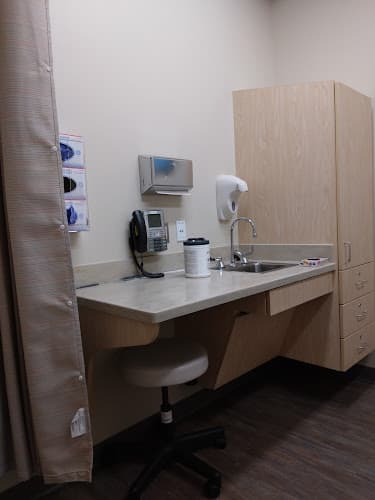
Hearing care practices of this type generally begin with an assessment of a person's hearing ability. A standard evaluation may include a discussion of medical and noise exposure history, a visual inspection of the ear canal and eardrum, and audiometric testing conducted in a quiet room or sound booth. Testing typically measures the softest sounds a person can detect across a range of pitches and evaluates how clearly speech is understood at comfortable listening levels.
The results are usually plotted on an audiogram, a chart that shows the degree and configuration of hearing loss in each ear. This information guides any recommendation that follows, because hearing loss varies considerably from person to person. Some individuals lose sensitivity primarily in the high frequencies, which makes consonant sounds difficult to distinguish and creates the common complaint of hearing speech without understanding it. Others experience loss across all frequencies or in one ear only, a pattern that may warrant referral to a physician for further examination.
Hearing Aids and Fitting
The central service of the practice, as reflected in its name, is the selection, fitting, and programming of hearing aids. Contemporary hearing instruments are small digital computers that process incoming sound, amplify selected frequencies, suppress background noise, and manage feedback. They are available in several form factors, including:
- Receiver in canal and receiver in the ear styles, which place a small speaker inside the ear canal and connect it to a housing worn behind the ear
- Behind the ear models, which route sound through tubing and are often chosen for more significant degrees of hearing loss
- In the ear and in the canal custom instruments, which are built from an impression of the wearer's ear
- Completely in canal and invisible in canal devices, which sit deeper in the ear and are less visible to others
Choices also involve rechargeable versus disposable battery power, Bluetooth streaming for phone calls and audio, smartphone applications for user adjustments, and telecoil compatibility for use with hearing loops in public venues. A fitting appointment normally includes programming the devices to the prescription derived from the audiogram, verifying comfort and physical fit, and instructing the wearer on insertion, removal, cleaning, and charging. Because the brain requires time to adapt to amplified sound, follow up appointments in the weeks after a fitting are a standard part of the process rather than an exception.
Ongoing Service, Repairs, and Supplies
Hearing aids are worn in a warm and humid environment and are exposed to earwax, perspiration, and daily handling, so routine maintenance matters. Practices in this field commonly provide cleaning and in office repair, replacement of wax filters, domes, receivers, and tubing, battery sales, and reprogramming when hearing changes over time. Manufacturer warranty work and loss and damage claims are typically coordinated through the dispensing office. Many practices also offer earwax management, custom earmolds, swim plugs, and noise protection for shooting sports, musicians, or industrial settings.
Prospective patients frequently ask about trial periods, financing, and insurance. Pennsylvania law provides a cancellation period for hearing aid purchases, and coverage for hearing aids varies widely among private insurance plans, Medicare Advantage plans, and union or retiree benefits. Traditional Medicare has historically not covered hearing aids themselves. Questions about pricing, bundled versus unbundled service plans, and accepted insurance are best directed to the office by phone.
Accessibility
The clinic reports accessible features for visitors with mobility limitations. These include a wheelchair accessible entrance, a wheelchair accessible restroom, and a wheelchair accessible parking lot. Given that hearing loss becomes more prevalent with age and often coincides with reduced mobility, these features are practical considerations for many patients and for caregivers assisting them.
Planning a Visit
People considering an appointment may find the following useful:
- Bringing a family member or friend is often helpful, both for a second perspective on listening difficulties and for remembering instructions given during the visit.
- A list of current medications, along with any prior audiograms or records from other providers, can inform the evaluation.
- Sudden hearing loss, pain, drainage, or dizziness are reasons to contact a physician promptly, as these may indicate a condition requiring medical treatment.
- Current hearing aids, even older or unused ones, are worth bringing along for evaluation.
Contact Information
Hometown Hearing Aids is located at 361 E Main Street, Kutztown, Pennsylvania 19530, United States. The telephone number is +1 484-648-0009, and the website is hometownhearingaids.net. Calling ahead is advisable to confirm current office hours, appointment availability, and any documentation to bring for a first visit.