Kissinger Associates is a software company and enterprise resource planning (ERP) consultancy based in West Lawn, Pennsylvania, a community just west of Reading in Berks County. The firm works with small and mid-sized organizations that rely on accounting and operations software to run daily business functions, and its work spans software selection, implementation, customization, integration, migration, and ongoing technical support. The company operates from an office suite on Quarry Drive and serves clients by phone and remote connection as well as on site, with a toll-free line at +1 800-562-5456.
Unlike firms that only resell software licenses, Kissinger Associates combines the advisory side of ERP consulting with in-house programming capability. That means the same organization that helps a company evaluate a system can also write the code that adapts it, connect it to other applications, and maintain those modifications through future upgrades. For businesses that have outgrown entry-level bookkeeping software but do not have internal developers on staff, this combination is often the practical reason to engage an outside partner.
Software Platforms and Specialties
The company's practice centers on mid-market ERP and accounting platforms, with particular depth in the Sage and Acumatica product families. Common areas of work include:
- Sage 100 and Sage 100cloud, including modules for general ledger, accounts payable and receivable, inventory management, purchase order, sales order, job cost, and payroll
- Acumatica, a browser-based, cloud-native ERP platform used by distributors, manufacturers, construction firms, and service organizations
- Third-party add-ons and extensions that expand core ERP functionality for things like credit card processing, document management, warehouse operations, EDI, and reporting
- Reporting and business intelligence tools used to pull operational and financial data out of an ERP database and present it in dashboards or scheduled reports
- Integrations that connect ERP systems to e-commerce storefronts, CRM applications, shipping platforms, payroll services, and custom in-house databases
Because ERP platforms differ substantially in architecture, licensing, and hosting model, a meaningful part of the firm's consulting work happens before any software is purchased. That early phase typically involves documenting how a business currently handles orders, inventory, billing, and reporting, identifying where manual workarounds are consuming staff time, and then comparing that picture against what each candidate platform does natively versus what would require customization.
Custom Programming and Development
Custom development is a defining part of the company's service mix. Few businesses fit a packaged ERP system exactly, and the gap is usually filled in one of three ways: changing the business process, buying an add-on module, or writing custom code. Kissinger Associates works in all three directions, and its programming staff builds modifications, scripts, screens, and reports that extend standard functionality.
Typical custom development requests include specialized pricing or commission calculations, industry-specific order entry screens, automated data imports from customers or vendors, custom invoice and packing slip formats, validation rules that prevent data entry errors, and utilities that move information between systems on a schedule. The firm also takes on remediation projects, meaning cases where a company inherited undocumented customizations from a prior developer and needs someone to interpret, repair, or rebuild them before an upgrade can proceed.
Cloud Migration and Hosting Transitions
A significant share of current ERP work involves moving away from on-premise servers. Companies running accounting software on aging in-house hardware face decisions about hardware replacement, operating system support, remote access for distributed staff, backup strategy, and security. Kissinger Associates advises on and executes these transitions, which can take several forms: hosting an existing application in a cloud environment, upgrading to a cloud-enabled version of the same product line, or replacing the platform entirely with a browser-based system such as Acumatica.
Each route carries different implications for cost structure, customization portability, integration behavior, and user experience, and the firm's role is to map those tradeoffs against a client's timeline and budget. Data migration is usually the most delicate part of the project, covering historical transactions, open balances, item and customer master records, and the documentation needed for audit and tax purposes.
Implementation, Training, and Support
Beyond technical configuration, the firm handles the human side of ERP projects. Implementation services generally include chart of accounts design, module setup, security and permission structures, test environments, parallel processing during cutover, and end user training. Training is often delivered in role-specific sessions, since the person entering purchase orders needs a different set of skills than the controller closing the month.
Ongoing support continues after go-live and covers troubleshooting, year-end and payroll tax updates, version upgrades, new user onboarding, report writing requests, and periodic reviews of whether the system is still matched to how the business operates. Companies that have gone through acquisitions, added product lines, or opened additional locations frequently return for reconfiguration work rather than a full replacement.
Who the Firm Works With
The client base skews toward small and mid-sized companies in distribution, manufacturing, wholesale, professional services, construction, and nonprofit administration, sectors where inventory, job costing, and multi-entity accounting create requirements that general-purpose bookkeeping tools do not address well. Engagements range from short diagnostic projects and one-off report builds to multi-phase system replacements that unfold over months. Work is performed remotely for clients well outside Pennsylvania, while businesses in the Reading, Lancaster, Allentown, Harrisburg, and greater Philadelphia corridors can also be served in person.
Location, Access, and Practical Information
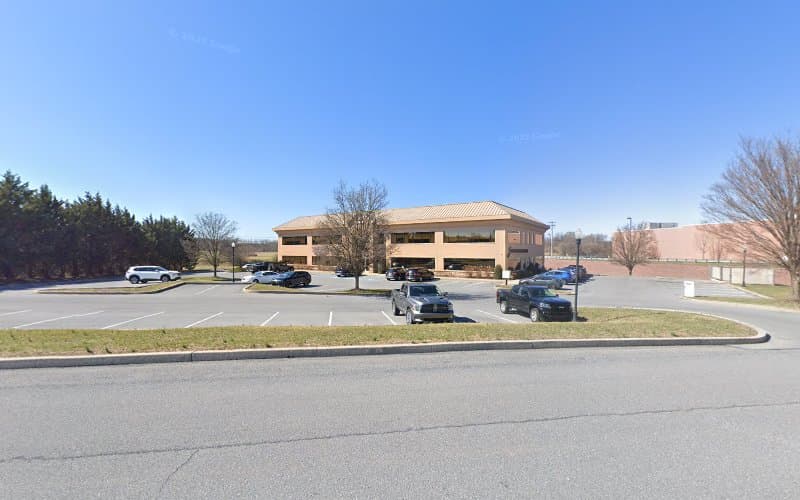
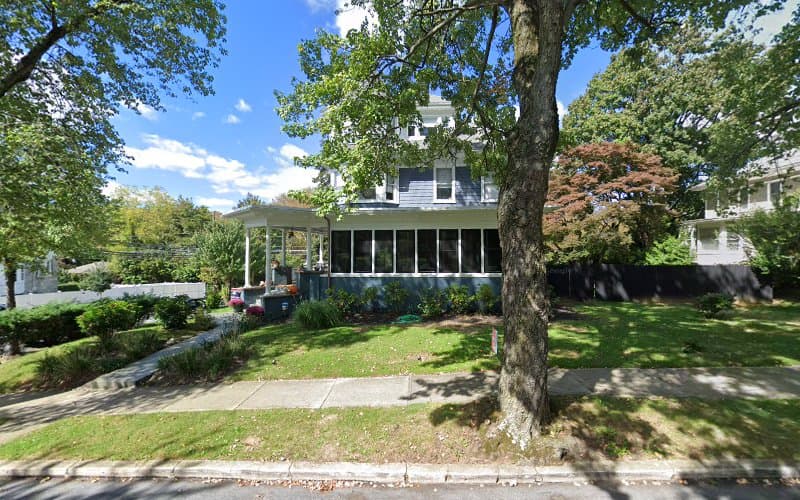
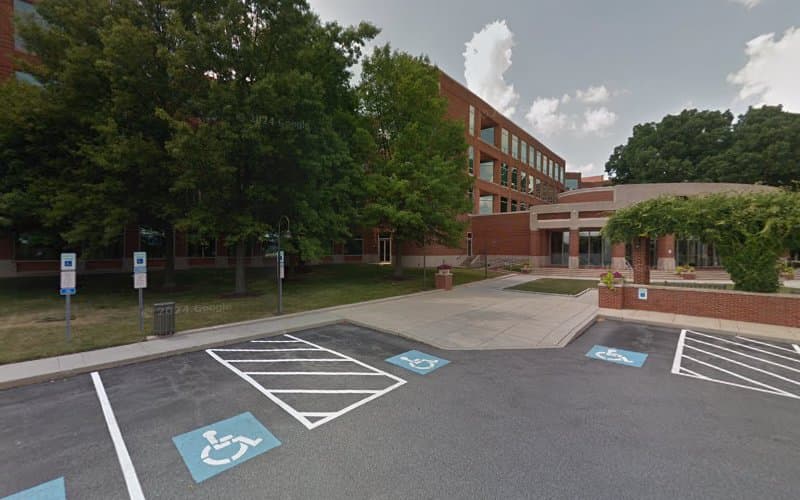
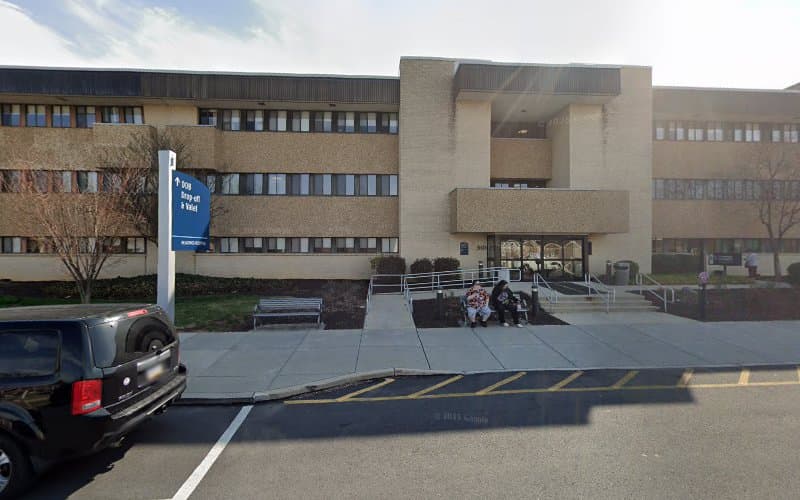
The office is located at 2213 Quarry Drive, Suite 105, in West Lawn, within the Spring Township area west of Reading and convenient to US Route 422 and the Route 222 corridor. The site has a wheelchair accessible entrance and a wheelchair accessible parking lot, with parking available on the property.
Prospective clients generally begin with a phone or video conversation to describe their current systems and the problems they are trying to solve, after which the firm can outline a scope of work. Because ERP projects vary widely in complexity, pricing is typically quoted per project or per engagement rather than offered as a fixed package. Businesses reaching out are usually best served by having a few details ready in advance: the software and version currently in use, the number of users, which modules are active, any existing customizations or integrations, and the deadline or business event driving the project.