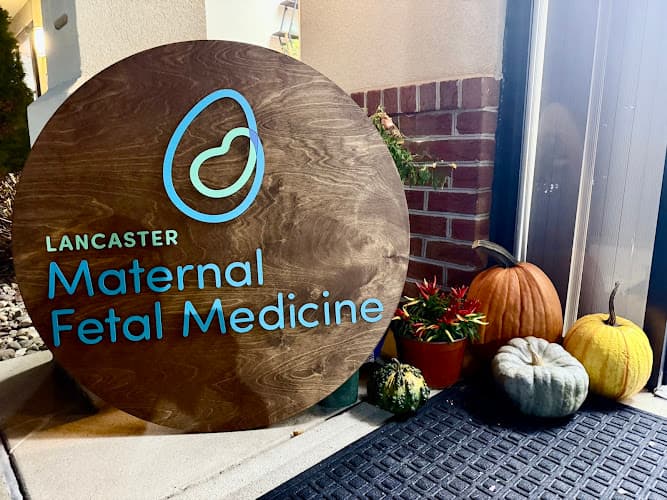
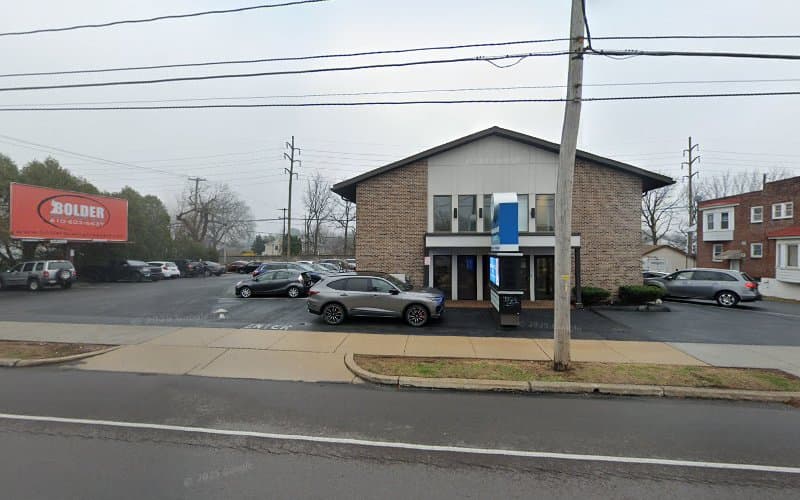
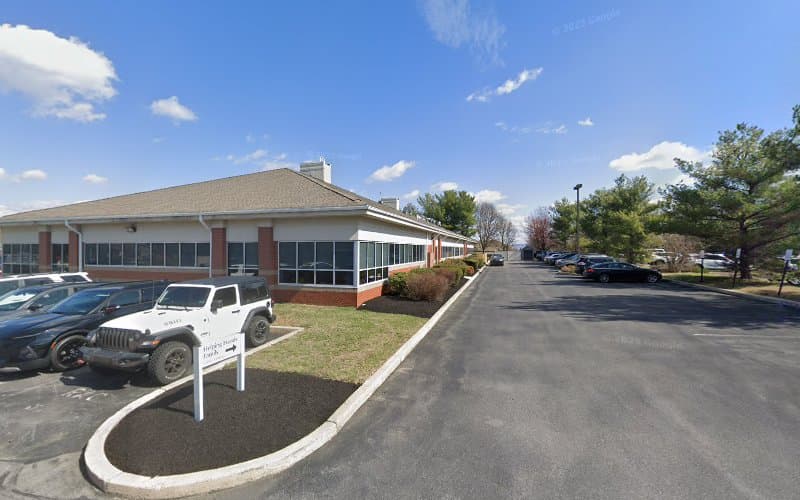
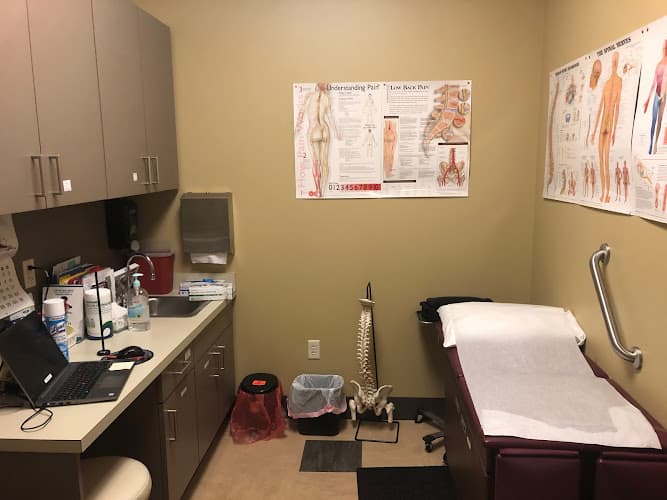
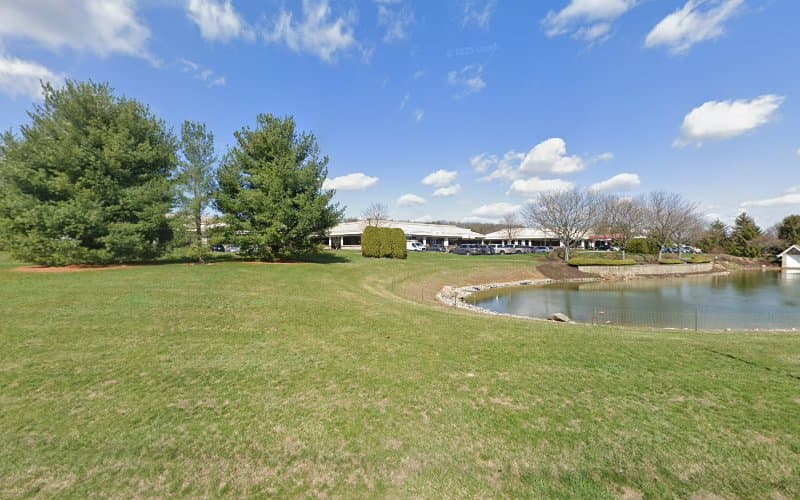
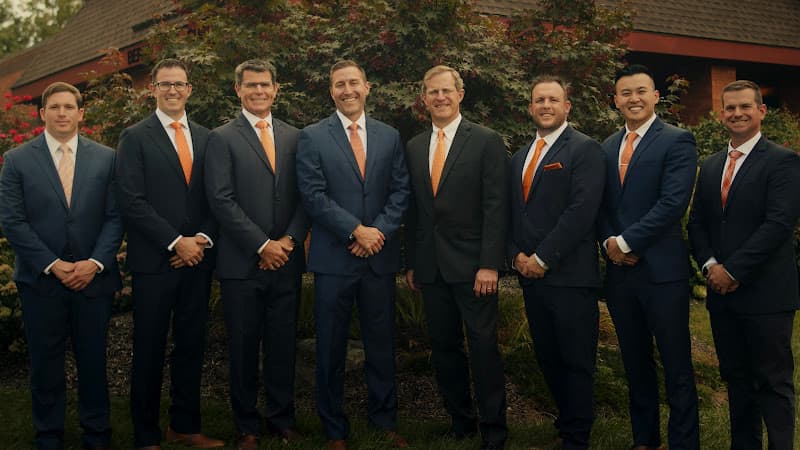
Lancaster Maternal Fetal Medicine-Reading Area is a perinatal center located at 2208 Quarry Drive in West Lawn, Pennsylvania, just west of Reading in Berks County. The practice is a satellite location of Lancaster Maternal Fetal Medicine, a specialty group that provides consultative and ongoing care for pregnancies considered high risk, as well as diagnostic imaging and genetic services for expectant patients across south central Pennsylvania. The Reading area office can be reached at +1 717-288-8118.
Maternal fetal medicine, sometimes called perinatology, is a subspecialty of obstetrics and gynecology. Physicians in this field complete residency training in obstetrics and gynecology followed by additional fellowship training focused on medical and surgical complications of pregnancy, fetal diagnosis and the management of conditions that affect either the pregnant patient or the developing fetus. Practices such as this one typically work alongside a patient's primary obstetrician, midwife or family physician rather than replacing them, providing consultations, advanced ultrasound and, when warranted, co-management for the duration of a pregnancy.
Services and Clinical Focus
The Reading area office provides the range of diagnostic and monitoring services associated with maternal fetal medicine. These generally include:
- Detailed anatomy ultrasounds, sometimes referred to as level II scans, which examine fetal structures in greater depth than a routine obstetric scan
- Growth ultrasounds to track fetal size and estimated weight over the course of a pregnancy
- Doppler studies to assess blood flow in the umbilical cord and other vessels
- Biophysical profiles, which combine ultrasound observation of fetal movement, tone, breathing and amniotic fluid into a single assessment
- Non-stress testing, commonly abbreviated as NST, to monitor the fetal heart rate over a set period
- Cervical length measurement and other assessments related to preterm birth risk
- First trimester screening and nuchal translucency measurement
- Consultation on genetic screening and diagnostic testing options
- Preconception and early pregnancy consultation for patients with existing medical conditions
Beyond imaging, maternal fetal medicine practices manage a wide spectrum of medical conditions that intersect with pregnancy. Common reasons for referral include gestational diabetes and pre-existing type 1 or type 2 diabetes, chronic hypertension and hypertensive disorders of pregnancy such as preeclampsia, thyroid disease, autoimmune conditions including lupus and antiphospholipid syndrome, cardiac and renal disease, blood clotting disorders, and seizure disorders. Patients carrying twins or higher order multiples, those with a history of preterm delivery, and those with prior pregnancy loss or stillbirth are also frequently referred. In cases where a fetal anomaly is identified or suspected, the practice provides diagnostic follow-up and helps coordinate planning for delivery and any care the newborn may need.
Diabetes management in pregnancy is a particular area of ongoing work at practices of this type, involving nutrition guidance, glucose monitoring instruction and adjustment of a care plan over the weeks following diagnosis. Many patients diagnosed with gestational diabetes are able to maintain target glucose levels through diet and activity changes, with medication reserved for cases that require it. Because monitoring continues throughout the second and third trimesters, patients often build a lengthy relationship with the office, returning weekly or biweekly in the final stretch of pregnancy.
Location, Access and Practical Information
The Quarry Drive address places the office in West Lawn, a borough within Spring Township in Berks County. The location serves patients from Reading, Wyomissing, Shillington, Sinking Spring, Wernersville, Mohnton and surrounding communities, as well as those traveling from elsewhere in Berks and adjacent counties. For patients in the Reading area, the satellite office removes the need to drive to Lancaster for specialty ultrasound and consultation, which matters considerably when appointments occur weekly during the later weeks of a pregnancy.
The site offers on-site parking in a free lot. The entrance, restroom and parking lot are wheelchair accessible. Both credit cards and debit cards are accepted for payment. As with most specialty medical practices, patients are typically referred by their obstetric provider, and insurance coverage, prior authorization requirements and referral paperwork are worth confirming with the office and with the insurer before a first visit. Calling ahead is also useful for understanding appointment length, since detailed ultrasounds and combined imaging and consultation visits often take longer than a standard prenatal check.
The practice identifies itself as veteran owned. It is also listed as LGBTQ+ friendly and as a transgender safe space, indications relevant to patients seeking obstetric and perinatal care in an environment attentive to inclusive practice.
What to Expect at a Visit
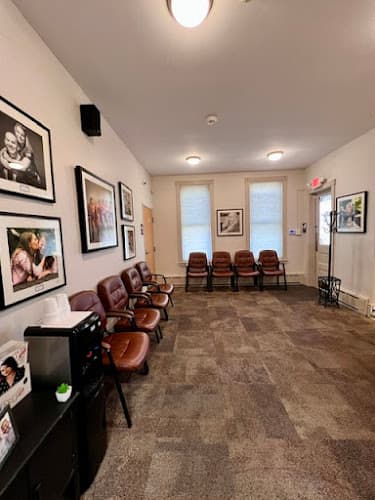
A typical first appointment at a maternal fetal medicine office begins with a review of medical, obstetric and family history, followed by ultrasound performed by a sonographer trained in detailed fetal imaging. A physician or advanced practice clinician then reviews the images and findings with the patient, discusses their significance and outlines any recommended follow-up. Results are communicated to the referring obstetric provider so that both offices are working from the same information.
Patients scheduled for non-stress testing should expect to be seated or reclined with external monitors placed on the abdomen for roughly twenty to forty minutes. Those attending for a biophysical profile will have an ultrasound performed during the same visit. Bringing a list of questions is encouraged, as is bringing records of any relevant prior testing, imaging or specialist care.
Role Within Regional Care
Perinatal centers occupy a specific place in the regional health care landscape. They handle the diagnostic and consultative work that general obstetric offices are not equipped to perform, and they coordinate with hospitals and neonatal intensive care units when a pregnancy is expected to require specialized delivery planning. For many families, contact with a maternal fetal medicine practice begins with an unexpected finding on a routine scan or with a new diagnosis, and continues through delivery. The Reading area office extends that level of subspecialty access into Berks County, allowing patients to remain close to home while receiving high risk pregnancy care.