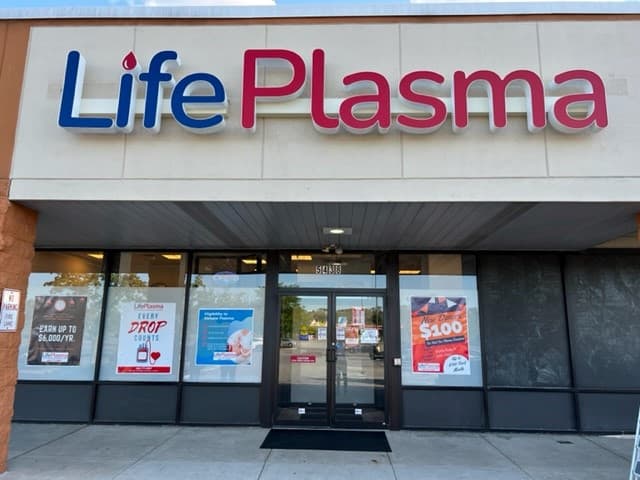
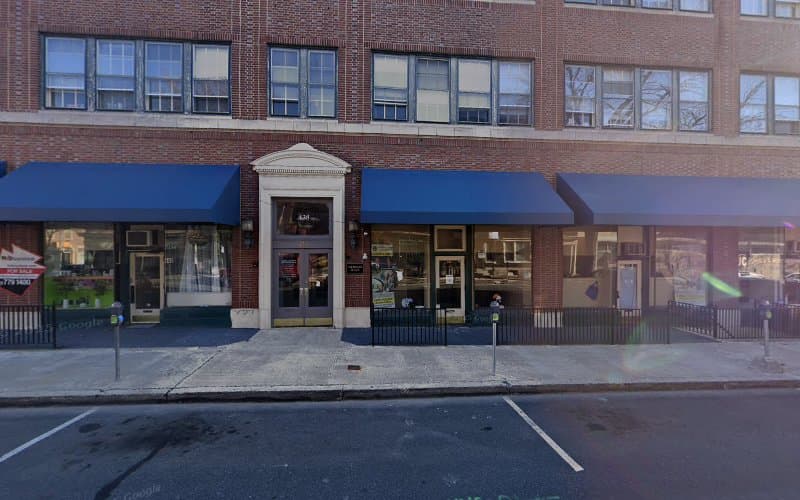
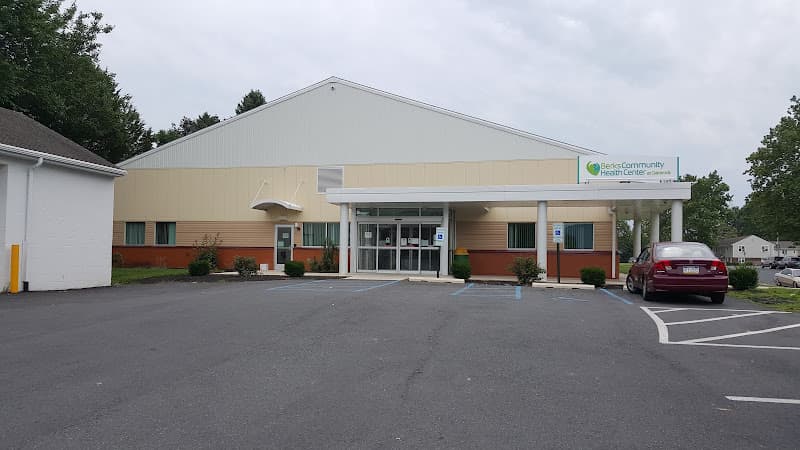
Life Plasma operates a plasma donation center at 5438 Perkiomen Ave in Reading, Pennsylvania, serving donors from Exeter Township, Reading proper, Birdsboro, Boyertown and the surrounding communities of eastern Berks County. The facility collects source plasma, the liquid component of human blood that pharmaceutical manufacturers fractionate into therapies for patients living with immune deficiencies, bleeding disorders, burns, trauma injuries and a range of chronic conditions that have no alternative treatment.
What Plasma Donation Involves
Plasma makes up roughly 55 percent of blood volume and consists largely of water, along with proteins including albumin, immunoglobulins and clotting factors. Unlike whole blood donation, plasma is collected through a process called plasmapheresis. A donor is connected to an automated collection machine that draws blood, separates the plasma using a centrifuge, and returns the red blood cells and other components to the donor along with a saline replacement solution. Because the cellular components are returned, the body replenishes plasma far more quickly than it replaces red blood cells, which is why plasma donors may give more frequently than whole blood donors.
Under FDA regulations, source plasma donors in the United States may donate up to twice in a seven day period, with at least one day between donations. Life Plasma follows these federal standards, along with the industry guidelines maintained by the Plasma Protein Therapeutics Association, which govern donor screening, facility conditions and product handling across the sector.
The Donation Process at the Reading Center
First time donors should plan for a longer visit than returning donors, typically between 90 minutes and two hours, because the initial appointment includes registration, identity verification and a medical history review. Subsequent visits move considerably faster. The standard sequence at the center includes:
- Check in at the front desk, where identification and address documentation are verified
- A screening station where hematocrit and total protein levels are measured through a finger stick, along with blood pressure, pulse, temperature and weight
- A confidential health history questionnaire covering travel, medications, tattoos, piercings and medical conditions
- A brief physical assessment conducted by trained medical staff, required annually for repeat donors
- The collection itself, generally lasting 45 minutes to an hour depending on the donor's weight and vein flow
- A short post donation rest period with fluids before departure
Donors are seated in reclining chairs during collection and are monitored by phlebotomists throughout. Many donors read, watch content on their phones or listen to music during the session.
Eligibility Requirements
General eligibility for source plasma donation in the United States includes being at least 18 years old, weighing a minimum of 110 pounds, and being in generally good health. Donors must present valid government issued photo identification, proof of Social Security number and documentation of a current local address. Certain medications, recent tattoos or piercings, recent travel to some regions, pregnancy and specific medical diagnoses may result in temporary or permanent deferral. Because eligibility criteria are detailed and subject to change, prospective donors are encouraged to call the center at +1 484-772-8687 or check lifeplasma.com before their first visit.
Hydration and nutrition meaningfully affect both donor comfort and the quality of the collection. Staff commonly advise drinking plenty of water in the 24 hours before a visit, eating a protein rich meal beforehand and avoiding fatty foods, which can cause plasma to appear cloudy and lead to a deferral. Adequate protein intake also helps maintain the total protein levels required to pass screening.
Compensation
Like other source plasma centers in the United States, Life Plasma compensates donors for their time. Payment is typically loaded onto a prepaid debit card following each completed donation. Compensation structures in the industry commonly include tiered rates based on donation frequency within a given period, along with new donor promotions, referral bonuses and periodic incentive programs. Because these programs change, current rates and active promotions are best confirmed directly with the center or through its website.
Facility and Accessibility
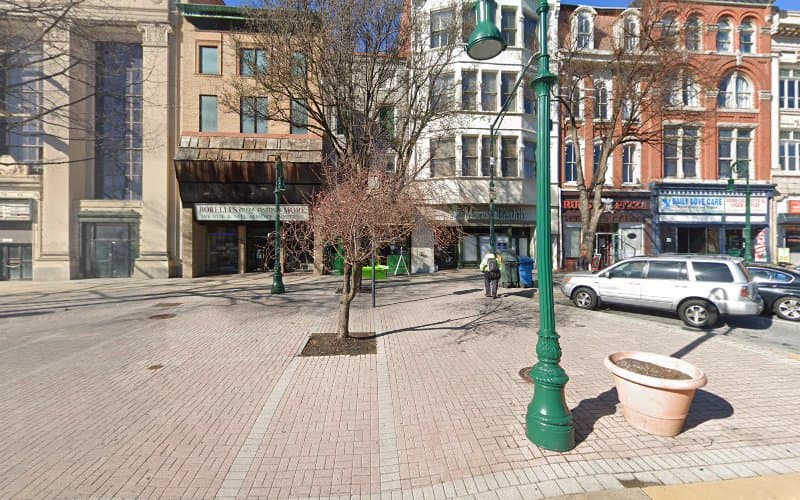
The Perkiomen Avenue location is fully accessible. The parking lot includes designated accessible spaces, and the entrance, restroom and seating areas all accommodate wheelchair users. The center is identified as LGBTQ+ friendly. Perkiomen Avenue, which carries U.S. Route 422 Business through Exeter Township, is a main commercial corridor east of downtown Reading, placing the center within reach of drivers coming from Route 422, Route 562 and the Route 176 corridor.
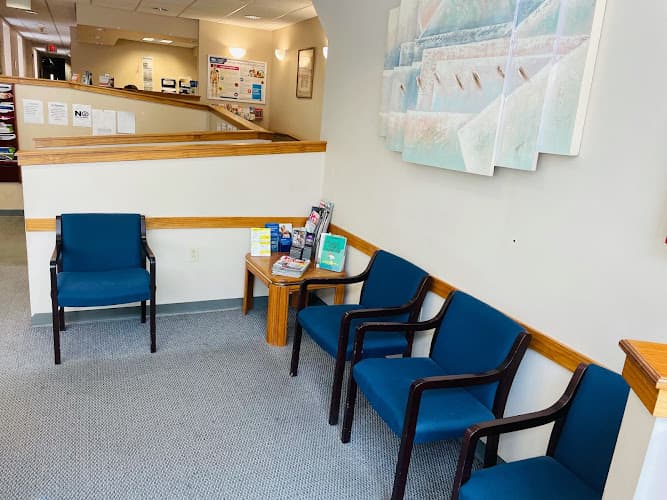
Cleanliness and organization are regulated concerns in plasma collection, not merely matters of appearance. Centers operate under FDA inspection and must maintain documented sanitation procedures, single use collection kits, sterile technique and controlled handling of collected plasma from the donor floor through freezing and shipment. The Reading facility's reputation for a well maintained and orderly donor floor reflects the standards this type of operation requires.
Why Plasma Donation Matters
Plasma derived therapies cannot be synthesized in a laboratory. Every dose of immunoglobulin, albumin, alpha-1 proteinase inhibitor or clotting factor concentrate originates with a human donor. A single patient with primary immunodeficiency may require the plasma from more than 100 donations per year to remain healthy, and patients with hemophilia or hereditary angioedema depend on similarly large volumes. The United States supplies a substantial share of the world's source plasma, which makes community level centers like the one in Reading part of a broader therapeutic supply chain reaching patients internationally.
Planning a Visit
Prospective donors should bring identification and address documentation, wear a short sleeved shirt or clothing with sleeves that roll up easily, and allow extra time for a first appointment. Scheduling options, current operating hours and appointment availability can be found at lifeplasma.com or by phone. Walk in availability varies by day and time of day, with early morning and mid week visits generally moving faster than weekend and late afternoon periods at most collection centers.
For residents of Reading and eastern Berks County considering plasma donation, whether as a recurring commitment or as a way to contribute to patient care, Life Plasma provides a local point of access to a process that is medically regulated, comparatively brief and repeatable on a regular schedule.