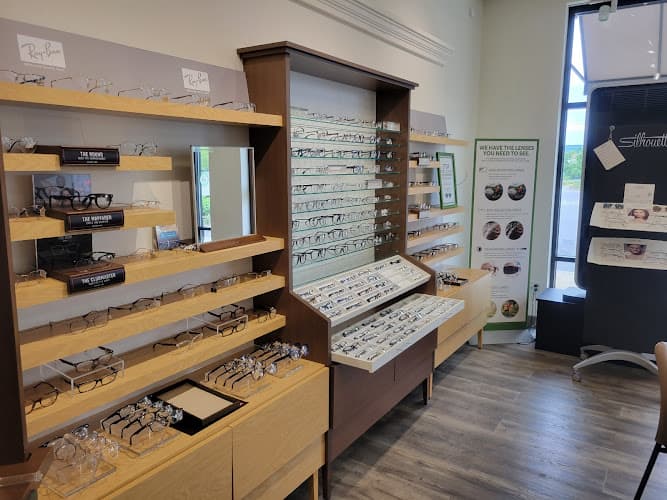
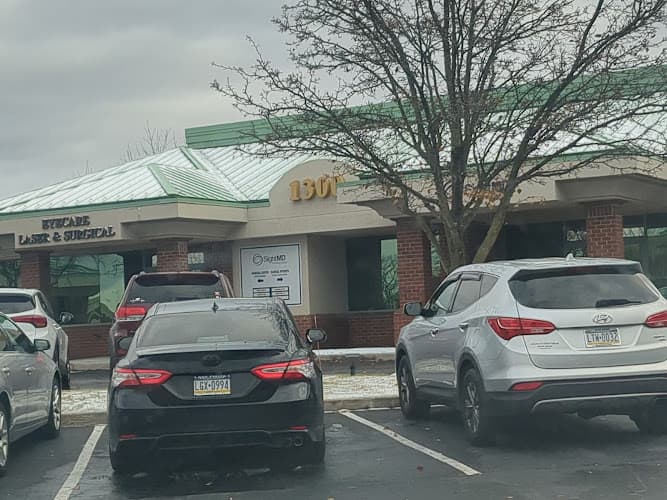
Mark Dipillo operates an optometry practice located at 2630 Westview Drive in Wyomissing, Pennsylvania. The practice provides eye care services to residents of Wyomissing and the surrounding Berks County communities. As an optometrist, Dr. Dipillo offers professional vision care services that typically encompass comprehensive eye examinations, vision correction prescriptions, and the diagnosis and management of various eye conditions.
Location and Setting
The practice is situated in Wyomissing, a borough in Berks County, Pennsylvania, approximately 60 miles northwest of Philadelphia. Wyomissing is part of the greater Reading metropolitan area and has developed as a commercial and residential center within the region. The Westview Drive location places the practice within reach of patients from Reading, West Reading, Shillington, Sinking Spring, and other nearby communities in Berks County.
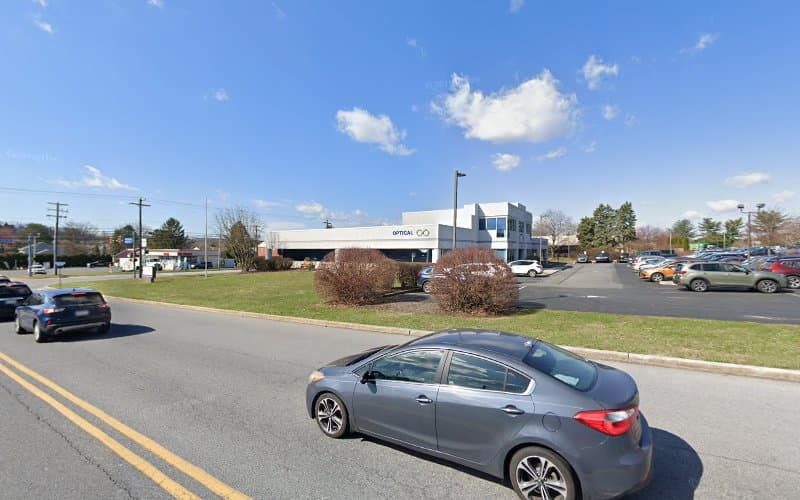
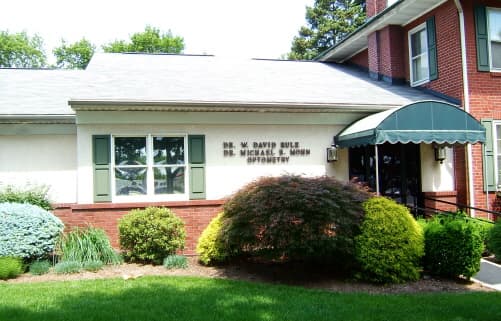
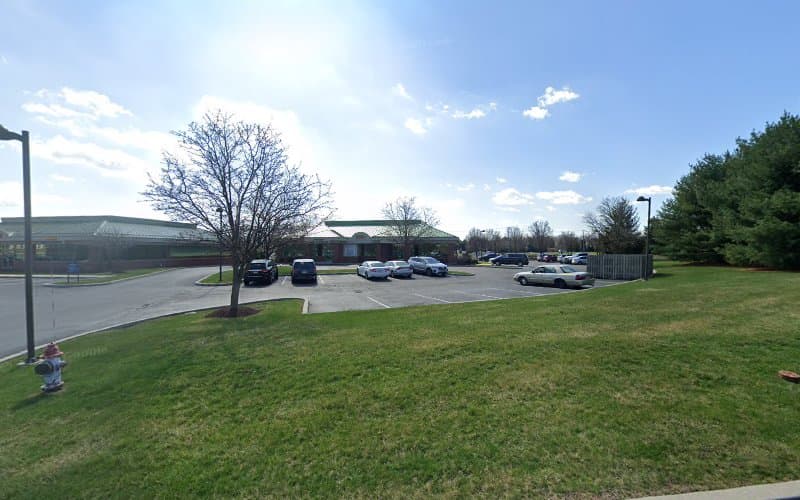
The office maintains accessibility features that accommodate patients with mobility limitations. The facility includes a wheelchair accessible entrance, allowing patients using wheelchairs or other mobility devices to enter the building without barriers. The parking lot has been designed with wheelchair accessible spaces, and the interior includes a wheelchair accessible restroom, ensuring that patients with disabilities can navigate the entire facility comfortably.
Services and Scope of Practice
As an optometry practice, the office provides eye and vision care services that fall within the scope of optometric medicine. Optometrists are primary eye care providers who examine eyes for both vision problems and health issues. The range of services typically available at an optometry practice includes several key areas of patient care.
Comprehensive eye examinations form the foundation of optometric practice. These examinations assess visual acuity, evaluate how the eyes work together, check for refractive errors such as nearsightedness, farsightedness, and astigmatism, and screen for eye diseases and conditions. Regular eye examinations are recommended for patients of all ages, as they can detect problems that may not present obvious symptoms in their early stages.
Vision correction services represent another primary function of optometry practices. Following an examination, optometrists prescribe corrective lenses when needed, whether in the form of eyeglasses or contact lenses. This process involves determining the precise prescription that will provide optimal visual clarity for each patient. For contact lens patients, the fitting process includes additional measurements and assessments to ensure proper lens selection and fit.
Optometrists also diagnose and manage various eye conditions and diseases. Common conditions addressed in optometric practice include dry eye syndrome, conjunctivitis, eye allergies, and minor eye injuries. Optometrists can identify signs of more serious conditions such as glaucoma, cataracts, macular degeneration, and diabetic retinopathy during routine examinations. When specialized treatment is required, optometrists coordinate care with ophthalmologists and other medical specialists.
Appointment Information
The practice operates on an appointment-recommended basis. While this system allows for scheduling flexibility, it indicates that patients should contact the office in advance to arrange their visits rather than arriving without prior arrangement. Scheduling appointments helps ensure adequate time is allocated for each patient's examination and reduces wait times. Patients can reach the office by telephone at 610-376-1981 to schedule appointments or make inquiries about services.
The Role of Optometry in Eye Health
Optometry serves an important function in the broader healthcare system as the primary point of contact for most eye and vision concerns. The American Optometric Association recommends that adults between ages 18 and 64 receive comprehensive eye examinations at least every two years, with annual examinations recommended for those 65 and older or those with risk factors for eye disease. Children should receive their first comprehensive eye examination at six months of age, again at three years, and before starting school, with regular examinations continuing throughout their educational years.
Eye examinations can reveal more than just vision problems. The eyes provide a window into overall health, and optometrists can sometimes detect signs of systemic conditions such as diabetes, high blood pressure, and autoimmune disorders during routine eye examinations. This makes regular eye care an important component of general health maintenance.
Understanding Vision Correction Options
Patients visiting an optometry practice for vision correction have several options available to them. Eyeglasses remain the most common form of vision correction, with modern frames and lens technologies offering solutions for virtually any prescription and lifestyle need. Single vision lenses correct one field of vision, while bifocals, trifocals, and progressive lenses address multiple vision zones for patients who need correction at different distances.
Contact lenses provide an alternative to eyeglasses for many patients. Available in soft and rigid gas permeable varieties, contact lenses can correct most refractive errors. Daily disposable, bi-weekly, and monthly replacement schedules offer different options based on patient preference and eye health considerations. Specialty contact lenses are available for patients with conditions such as astigmatism or those who require multifocal correction.
Patient Facilities
The practice maintains basic patient amenities including restroom facilities. The attention to accessibility throughout the facility, from parking to entrance to restroom, reflects consideration for patients with varying mobility needs. These features ensure that eye care services are available to community members regardless of physical limitations.
Berks County Eye Care Context
Wyomissing and the greater Reading area are served by various eye care providers, including optometrists, ophthalmologists, and optical retailers. Independent optometry practices like this one offer personalized care with continuity of provider, allowing patients to develop ongoing relationships with their eye care professional. This continuity can be particularly valuable for managing chronic eye conditions or tracking changes in eye health over time.
The practice's location in Wyomissing places it within a community that has seen substantial commercial development while maintaining its residential character. Residents of the area have access to various healthcare services, with eye care being an essential component of comprehensive health maintenance.
Contacting the Practice
Individuals seeking eye care services or information about the practice can contact the office by telephone. The practice can be reached at 610-376-1981 during business hours. Prospective patients should inquire about accepted insurance plans, appointment availability, and any specific services they may require when contacting the office.