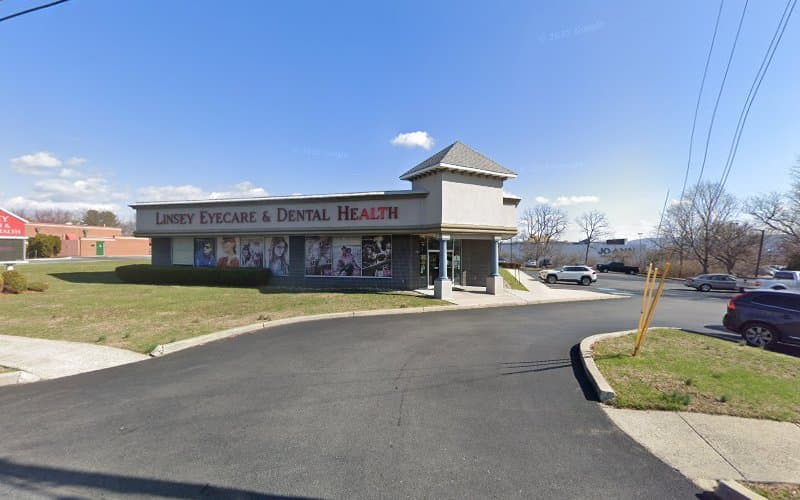
Parsons Nicole L OD
Parsons Nicole L OD in Wyomissing provides expert optometry services, offering comprehensive eye exams and personalized vision care.
About Parsons Nicole L OD
Overview
Parsons Nicole L OD is an optometry practice located in Wyomissing, Pennsylvania, providing eye care services to residents of Berks County and the surrounding Reading metropolitan area. The practice operates under the direction of Dr. Nicole L. Parsons, a Doctor of Optometry, offering professional vision care services at its Ridgewood Road location.
Location and Setting
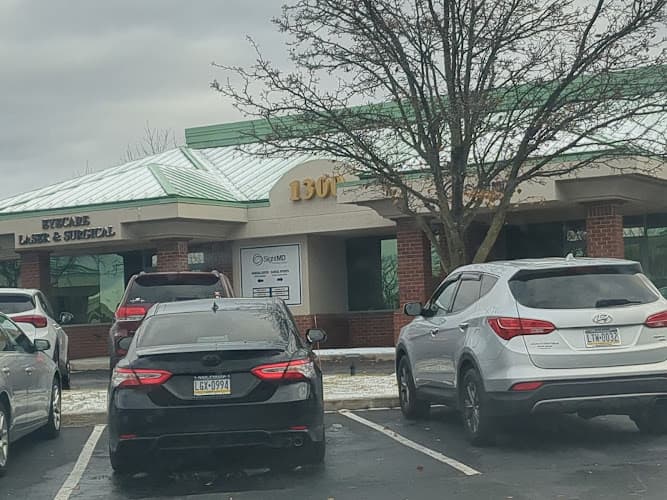
The practice is situated at 1901 Ridgewood Road in Wyomissing, a borough in Berks County that borders the city of Reading. Wyomissing has developed as a commercial and residential center within the greater Reading area, with Ridgewood Road serving as one of the community's primary thoroughfares. The location places the practice within reach of patients from Reading, West Reading, Shillington, Sinking Spring, and other neighboring communities in the region.
Wyomissing itself is known for its blend of retail districts, professional services, and residential neighborhoods. The borough hosts a variety of medical and healthcare practices, making it a destination for patients seeking professional services throughout Berks County. The Ridgewood Road corridor in particular has become an established location for healthcare providers and professional offices.
Optometry Services
As an optometry practice, Parsons Nicole L OD provides eye and vision care services that fall within the scope of optometric practice. Optometrists are primary healthcare providers specializing in the examination, diagnosis, and treatment of visual system disorders and eye diseases. The range of services typically offered by optometry practices includes comprehensive eye examinations, vision testing, prescription of corrective lenses, and management of various eye conditions.
Comprehensive eye examinations form the foundation of optometric care. These examinations assess visual acuity, evaluate eye coordination and focusing ability, test peripheral vision, and examine the internal and external structures of the eye. Such examinations can detect not only vision problems requiring correction but also signs of systemic health conditions such as diabetes and hypertension, which often manifest in changes to the eye's blood vessels and tissues.
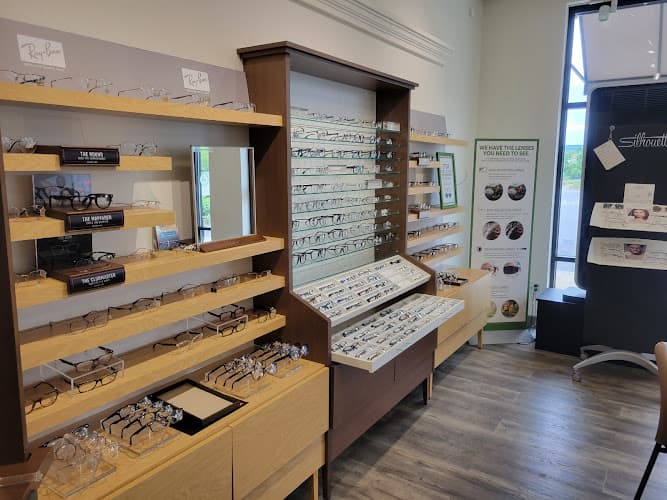
Vision correction services represent another core component of optometric practice. This includes determining prescriptions for eyeglasses and contact lenses, as well as fitting patients with appropriate corrective eyewear. Optometrists work with patients to select lens types, frame styles, and contact lens options that suit individual visual needs and lifestyle requirements.
Optometrists also diagnose and manage various eye conditions and diseases. Common conditions addressed in optometric practice include dry eye syndrome, conjunctivitis, glaucoma, cataracts, macular degeneration, and diabetic retinopathy. Depending on the condition and its severity, treatment may involve prescription medications, therapeutic interventions, or referral to ophthalmologists for surgical procedures when necessary.
The Role of Optometrists in Healthcare
Doctors of Optometry complete a four-year professional doctoral program following undergraduate education, earning the OD (Doctor of Optometry) designation. This training encompasses the diagnosis and treatment of eye diseases, vision disorders, and related systemic conditions. Optometrists serve as primary eye care providers for many patients, often serving as the first point of contact for individuals experiencing vision changes or eye-related concerns.
The distinction between optometrists and other eye care professionals is worth noting for patients seeking appropriate care. Optometrists differ from ophthalmologists, who are medical doctors specializing in eye and vision care with the ability to perform surgery. They also differ from opticians, who are trained to fit and dispense eyeglasses and contact lenses based on prescriptions written by optometrists or ophthalmologists. Many patients receive the majority of their eye care from optometrists, with referrals to ophthalmologists occurring when surgical intervention or specialized medical treatment becomes necessary.
Accessibility Features
The practice has implemented accessibility accommodations to serve patients with mobility limitations. The facility includes a wheelchair accessible entrance, allowing patients using wheelchairs or other mobility devices to enter the building without barriers. The parking lot has been designed with wheelchair accessible parking spaces, providing convenient access for patients who require such accommodations.
Inside the facility, the restroom has been equipped for wheelchair accessibility, ensuring that patients with mobility challenges can use these facilities comfortably. These accessibility features reflect compliance with the Americans with Disabilities Act and demonstrate consideration for patients who may face physical challenges in accessing healthcare services.
The Importance of Regular Eye Care
Eye care professionals generally recommend that adults receive comprehensive eye examinations on a regular basis, with the frequency depending on age, risk factors, and existing eye conditions. For adults without known eye problems or risk factors, examinations every one to two years are often recommended. Individuals with diabetes, a family history of eye disease, or existing vision problems may require more frequent monitoring.
Children should receive eye examinations at key developmental stages, as undetected vision problems can affect learning and development. Many vision issues in children can be corrected or managed more effectively when identified early. School-age children in particular benefit from regular vision screening, as vision problems can impact academic performance.
For older adults, regular eye examinations become increasingly important as the risk of age-related eye conditions rises. Conditions such as cataracts, glaucoma, and macular degeneration become more common with advancing age, and early detection through routine examinations can help preserve vision and quality of life.
Contact Information
Patients can reach Parsons Nicole L OD by telephone at +1 610-373-3720. The practice is located at 1901 Ridgewood Road in Wyomissing, Pennsylvania, with the ZIP code 19610. Prospective patients are encouraged to call the practice directly to inquire about services offered, insurance acceptance, appointment availability, and any specific questions regarding their eye care needs.
The Wyomissing location serves the broader Reading metropolitan area, making the practice accessible to residents throughout Berks County seeking optometric services. The availability of accessible parking and building features makes the practice a viable option for patients with various mobility needs.
Unique Details About Parsons Nicole L OD
Amenities
- Restroom
Accessibility
- Wheelchair accessible entrance
- Wheelchair accessible restroom
- Wheelchair accessible parking lot
Contact Information for Parsons Nicole L OD
Wyomissing, PA 19610
United States of America
County: Berks County
Phone: +1 610-373-3720
Customer Reviews
No reviews yet.
Working Hours / Hours of Operation
Location Map
Similar Optometrists Near Wyomissing, PA



BerksConnect: everything local in Berks County, PA.
8,700+ local businesses with AI-summarized reviews, plus local guides, jobs, and what's happening around the county.