PENNVIA Private Railcars is a transportation service based at 4 Verna Drive in Reading, Pennsylvania. The company operates in the private railcar sector, a specialized corner of American passenger rail in which privately owned passenger cars are maintained, chartered, and moved over the national rail network. Reached by phone at +1 610-678-3604, the business maintains information about its operations and equipment online at pennvia.com.
Private railcar operators occupy an unusual position in modern transportation. They are neither traditional charter bus companies nor conventional tour operators. Instead, they own historic or rebuilt passenger equipment, keep that equipment certified to current mechanical and safety standards, and arrange for it to be coupled to scheduled trains or special movements. For travelers, the result is a form of rail travel that largely disappeared from public service after the 1960s: a self-contained car with lounge space, sleeping accommodations, dining facilities, and in many cases an open platform or observation end at the rear of the train.
What a Private Railcar Service Does
The work involved in operating a private railcar extends well beyond hospitality. Companies in this field generally handle several distinct areas of responsibility:
- Ownership and stewardship of one or more passenger cars, many of which were built in the streamliner era by manufacturers such as Pullman-Standard, Budd, American Car and Foundry, or St. Louis Car Company.
- Mechanical maintenance and inspection, including trucks, brakes, wheels, couplers, head end power systems, water and waste systems, and safety appliances.
- Compliance with the technical and insurance requirements that a host railroad imposes before a private car may be added to a train.
- Coordination of movements, which involves reserving space on specific trains, arranging switching at origin and destination, and scheduling servicing stops for water and waste along longer routes.
- On-board service during charters, which can include meals, beverages, linens, and attendant staffing depending on the arrangement.
- Storage and layover arrangements between trips, since private cars require secured track space with utility connections.
Because private cars typically travel attached to scheduled intercity trains, trip planning follows the host railroad's timetable and operating rules rather than an independent schedule. Groups chartering a car generally select an existing route and train, and the car is added at a station equipped to handle the move.
Location and Setting
Reading sits in Berks County in southeastern Pennsylvania, roughly 60 miles northwest of Philadelphia and about 35 miles east of Harrisburg. The city has deep railroad associations. It gave its name to the Reading Company, one of the major anthracite carriers of the nineteenth and twentieth centuries, and the railroad's presence shaped the city's industrial development, its street grid, and its economy for generations. Reading Terminal in Philadelphia, the Reading Railroad's passenger gateway, remains one of the best known pieces of that legacy, and the name is familiar to millions through its place on the American Monopoly board.
That regional history makes Berks County a fitting base for rail-related enterprises. Southeastern Pennsylvania retains an active freight network, a number of shortline and heritage railroads, and a concentration of rail preservation organizations, shops, and suppliers. Reading's position also places it within reasonable driving distance of Amtrak stations at Philadelphia, Harrisburg, Lancaster, and Elizabethtown, along with connections toward New York, Washington, and points west.
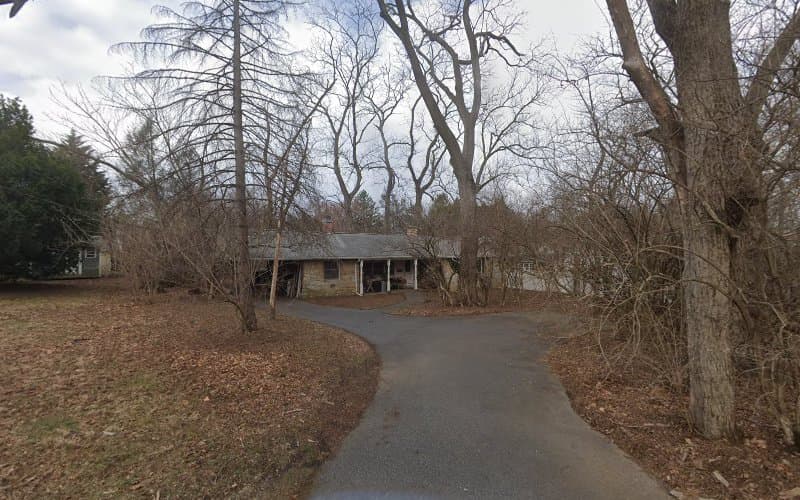
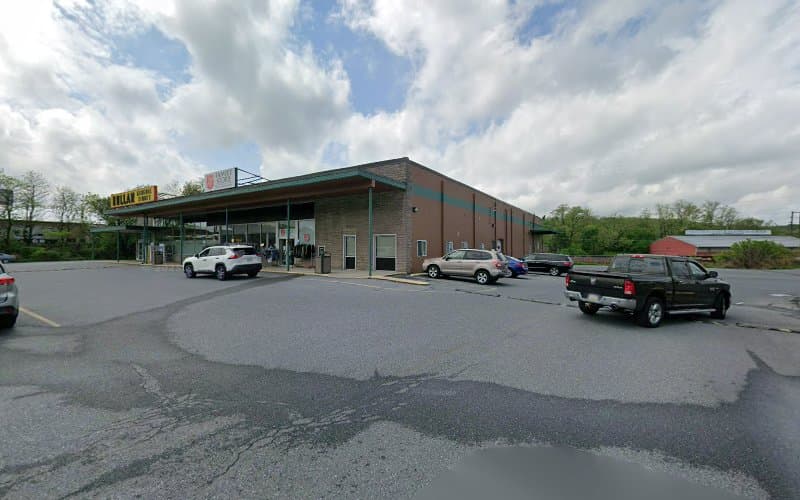
The Verna Drive address lies in the western part of the Reading area, in a section of Spring Township. Visitors arriving by car will find that the location offers wheelchair accessible parking, one of the accessibility details listed for the business.
The Private Railcar Community
Private railcar owners in the United States form a small but organized community. Many are affiliated with the American Association of Private Railroad Car Owners, which was formed in the 1970s as Amtrak consolidated intercity passenger service and set standards for handling privately owned equipment. The association's members collectively preserve several hundred cars, ranging from business cars and dome cars to sleepers, diners, and full-length lounges.
Amtrak has historically been the principal host for private car movements, publishing tariffs that cover per-mile charges, switching fees, station stops, and layover storage. Access varies over time and by route, and operators monitor those policies closely. Private cars have also appeared on excursions hosted by tourist railroads and on special movements arranged with freight carriers.
Each car carries its own identity. Many have names rather than numbers, reflecting the naming conventions of the railroads that first ordered them, and individual cars often have documented service histories with specific named trains. Restoration work frequently involves balancing period interior finishes with modern requirements for wiring, plumbing, fire safety, and glazing.
Who Uses Private Railcar Services
Charters of this kind draw a range of clients. Extended families and groups of friends book cars for milestone celebrations or reunions that double as multi-day journeys. Businesses and organizations use them for meetings, client hosting, and incentive travel. Railway enthusiasts charter cars specifically for the experience of riding at the rear of a train over a particular route. Cars are also occasionally used for filming, photography, and static display at railroad events and festivals.
Group size is limited by the configuration of the individual car. A typical sleeper-lounge might accommodate roughly eight to twelve overnight passengers while seating a larger number during daylight hours. Prospective customers usually discuss dates, routing, group size, meal preferences, and budget directly with the operator, since each trip is assembled individually.
Practical Information
- Address: 4 Verna Dr, Reading, Pennsylvania 19609, United States
- Telephone: +1 610-678-3604
- Website: pennvia.com
- Business category: Transportation service
- Accessibility: wheelchair accessible parking lot
Because private railcar operations depend on host railroad scheduling, equipment availability, and seasonal demand, advance planning is customary. Inquiries made well ahead of a desired travel date give the operator time to confirm train space, arrange switching, and coordinate provisioning. Contacting the business by phone or through its website is the most direct way to check availability, ask about specific equipment, and understand how a proposed itinerary would work in practice.