Museum
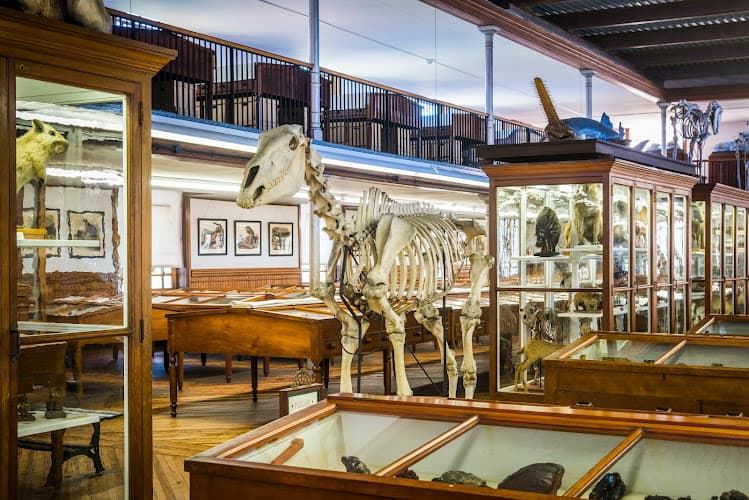
Wagner Free Institute of Science
4.8(112)Philadelphia
The Wagner Free Institute of Science in Philadelphia is a museum dedicated to exploring natural history, offering unique exhibits and educational events.
The Philadelphia Museum of Art in Pennsylvania showcases an extensive collection spanning centuries, offering an enriching cultural experience.
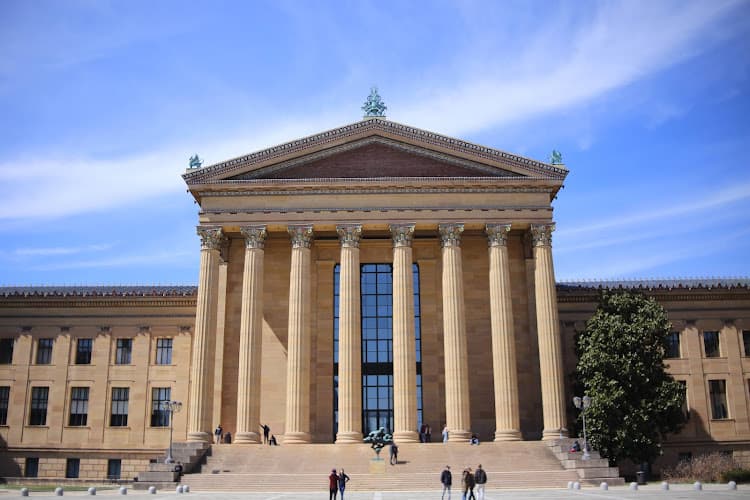
This is mentioned in nearly half of all reviews as a must-do activity that adds cultural significance and fun to the museum visit, connecting art appreciation with Philadelphia's pop culture identity.
Running up the iconic steps for the view of the city skyline is the perfect bonus.
Climbing the iconic 'Rocky Steps' and seeing the city view from the top makes the experience even more memorable.
No reason provided.
There are certain areas literally transporting you to completely different moments in time in the past.
Went straight to the 3rd floor and started the recreated period rooms. Truly amazing world-class collection.
Customers consistently praise the museum's extensive, diverse collection spanning multiple continents, time periods, and art forms—from Van Gogh and Monet to armor, Asian art, and immersive period rooms.
I couldn't believe how many artistic treasures are located under one roof. You could spend a lifetime going back and back.
One moment you are standing in a Japanese teahouse, the next surrounded by French Impressionists, medieval armor, or breathtaking modern design.
Visitors are deeply impressed by the grand neoclassical architecture, the iconic entrance steps, and the overall aesthetic beauty of the museum building itself.
The building itself is impressive even before you go inside—those wide steps and the view of the parkway really set the mood.
Just the building itself is worth admission, to be honest. I have never been so impressed by an art gallery.
The Philadelphia Museum of Art stands as one of the largest and most significant art museums in the United States. Located at the terminus of Benjamin Franklin Parkway in Philadelphia, Pennsylvania, the museum occupies a commanding position atop Fairmount, offering panoramic views of the city's downtown skyline. The institution houses a collection of more than 240,000 objects spanning over 2,000 years of creative achievement, representing artistic traditions from across the globe.
The museum's main building, a Greek Revival structure designed by architects Horace Trumbauer, Julian Abele, and the firm of Zantzinger, Borie and Medary, opened to the public in 1928. The building's distinctive honey-colored Minnesota dolomite facade and columned entrance have made it an architectural landmark recognizable far beyond Philadelphia's borders. The entrance steps, consisting of 72 stone risers, gained international fame through their appearance in the 1976 film "Rocky" and have since become a destination in their own right for visitors to the city.
The museum's permanent collection encompasses an extraordinary range of artistic expression, from ancient artifacts to contemporary works. European painting holdings include significant works by masters spanning the Renaissance through the modern era, with particularly strong representation of French Impressionist and Post-Impressionist artists. American art occupies a prominent position within the collection, featuring paintings, sculpture, and decorative arts that trace the nation's artistic development from the colonial period forward.
Asian art constitutes another major strength of the collection, with galleries devoted to Chinese, Japanese, Korean, and South Asian works. The museum holds important examples of ceramics, textiles, sculpture, and painting from these traditions. Arms and armor from both European and Asian traditions are displayed in dedicated galleries, presenting these objects as both functional equipment and artistic achievement.
One of the museum's most distinctive features is its collection of architectural installations and period rooms. Rather than simply displaying objects in cases, the museum has incorporated entire rooms and architectural elements from historic buildings around the world. Visitors can walk through a medieval cloister, stand in a Japanese teahouse, or examine the interior of a French chateau. These immersive spaces transport viewers into historical environments, providing context that conventional gallery displays cannot replicate.
The museum's modern and contemporary art holdings include works by major figures of the twentieth and twenty-first centuries. Marcel Duchamp's work is particularly well represented, and the museum holds important examples of Surrealism, Abstract Expressionism, and subsequent movements. Photography, prints, and drawings round out the collection, with works spanning the entire history of these media.
The Philadelphia Museum of Art operates as more than a single building. The institution encompasses several related sites, including the Rodin Museum, located nearby on Benjamin Franklin Parkway. This facility houses the largest collection of Auguste Rodin's work outside Paris, including casts of many of the sculptor's most celebrated pieces. The Perelman Building, a renovated Art Deco structure across the street from the main building, provides additional gallery space for special exhibitions, photography, costume, and design collections.
Historic houses in Fairmount Park also fall under the museum's stewardship, including Mount Pleasant and Cedar Grove. These preserved colonial and early American residences offer visitors the opportunity to experience domestic architecture and decorative arts in their original context.
The museum's interior encompasses approximately 200 galleries distributed across multiple floors and wings. The layout reflects the building's organic growth over decades, with interconnected spaces that can require some navigation to traverse completely. Gallery maps and staff members stationed throughout the building assist visitors in finding their way to specific collections or works.
Given the collection's scope, a single visit rarely allows for comprehensive viewing. Many visitors focus on particular areas of interest or plan multiple trips to explore different sections. The museum's admission tickets remain valid for two consecutive days, acknowledging the practical difficulty of experiencing everything in a single visit.
Dining options within the museum include both casual and sit-down restaurants. The museum cafe provides lighter fare and beverages, while a full-service restaurant offers more substantial meals. These facilities allow visitors to take breaks during extended viewing sessions without leaving the building.
A gift shop stocks art books, prints, jewelry, and merchandise related to the collection and special exhibitions. Educational materials and children's items are also available, supporting the museum's role as a learning institution.
The museum maintains comprehensive accessibility features throughout its facilities. Wheelchair-accessible entrances, restrooms, and parking accommodate visitors with mobility limitations. Wheelchairs are available for loan at no charge. Elevators connect all public floors, and accessible routes exist throughout the galleries.
Gender-neutral restrooms are available, and the museum has established itself as a welcoming environment for LGBTQ+ visitors. Facilities for families with young children include a dedicated nursing room designed with privacy and comfort in mind, featuring appropriate seating and lighting for parents who need to feed infants or express milk.
Active military personnel receive discounted admission, and children under eighteen enter free of charge. The museum periodically offers pay-what-you-wish admission days, reducing financial barriers to access. These pricing structures reflect the institution's public mission to make art available to the broadest possible audience.
Guided tours led by trained docents provide structured introductions to the collection or focused examinations of particular themes and periods. These tours offer context and interpretation that enhance understanding of the works on display. The museum also hosts live performances, lectures, and special events that extend engagement with art beyond passive viewing.
Educational programming serves audiences ranging from school groups to adult learners. Family-oriented activities make the museum accessible to younger visitors, encouraging engagement with art from an early age.
The museum recommends purchasing tickets in advance, particularly during peak visitation periods and for special exhibitions. The building offers free Wi-Fi, allowing visitors to access digital resources and information during their visit.
The museum's location at 2600 Benjamin Franklin Parkway places it within Philadelphia's cultural corridor, near other major institutions including the Franklin Institute and the Barnes Foundation. Visitors to the city often incorporate multiple cultural destinations into their itineraries, with the Philadelphia Museum of Art serving as a centerpiece of such explorations.
County: Philadelphia County
Phone: +1 215-763-8100
Website: Visit Website
4.8 out of 5 stars
Based on 21526 reviews
5 star reviews
4 star reviews
3 star reviews
2 star reviews
1 star reviews
Museum
The Wagner Free Institute of Science in Philadelphia is a museum dedicated to exploring natural history, offering unique exhibits and educational events.
Tourist attraction
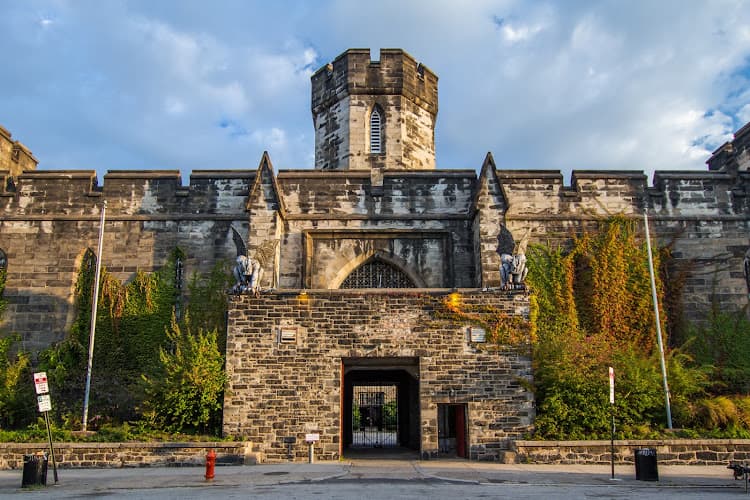
Eastern State Penitentiary in Philadelphia is a historic tourist attraction offering visitors a glimpse into America's past with its remarkable architecture and rich history.
Art museum
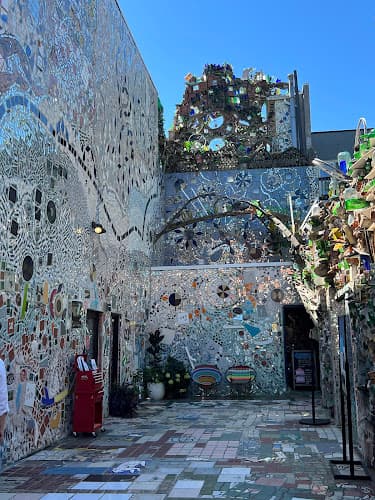
Philadelphia's Magic Gardens in Philadelphia is an immersive art museum renowned for its vibrant mosaic galleries and community-focused cultural experiences.