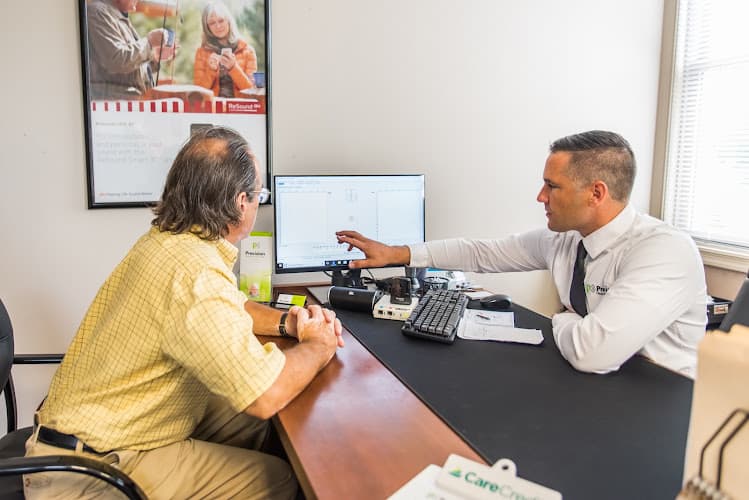
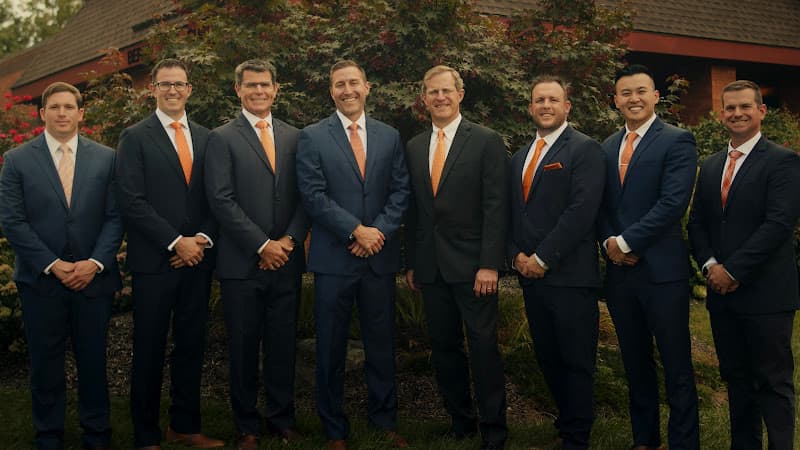
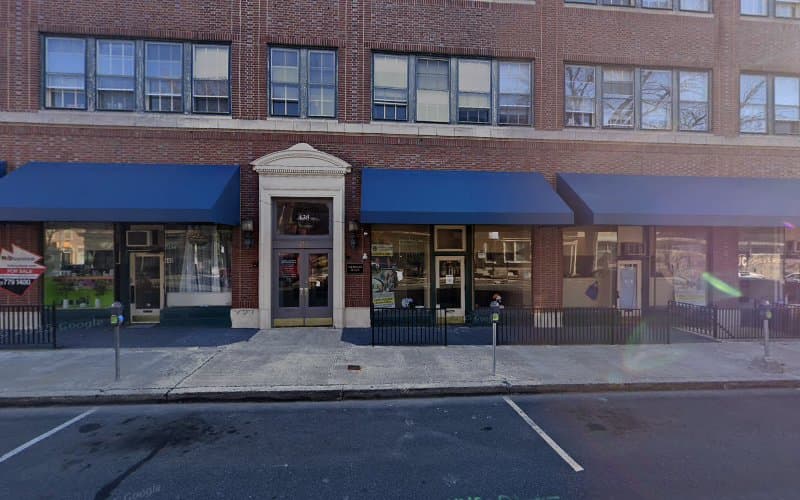
Precision Hearing Aid Center is an independent hearing healthcare practice and hearing aid retailer located at 6 Hearthstone Court, Suite 204, in Reading, Pennsylvania. The business operates as a small, locally owned practice rather than a branch of a national chain, and its day-to-day work is handled by hearing instrument specialist Adam Wentling. The practice combines diagnostic hearing testing with the selection, fitting, programming, and long-term servicing of hearing aids, meaning a client generally works with the same person from the initial evaluation through years of subsequent adjustments and maintenance.
In Pennsylvania, hearing instrument specialists are regulated professionals who must be registered with the Commonwealth to fit and dispense hearing aids, and their scope of practice centers on testing hearing for the purpose of selecting and fitting amplification. Practices of this type occupy a middle ground between large retail hearing aid outlets and hospital-based audiology departments: they offer clinical testing and manufacturer-backed devices, but in a small office setting where scheduling, follow-up, and pricing decisions are made locally.
Location and Access
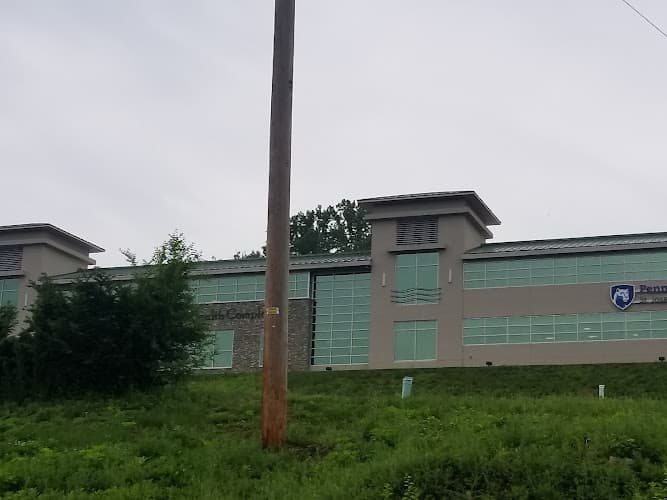
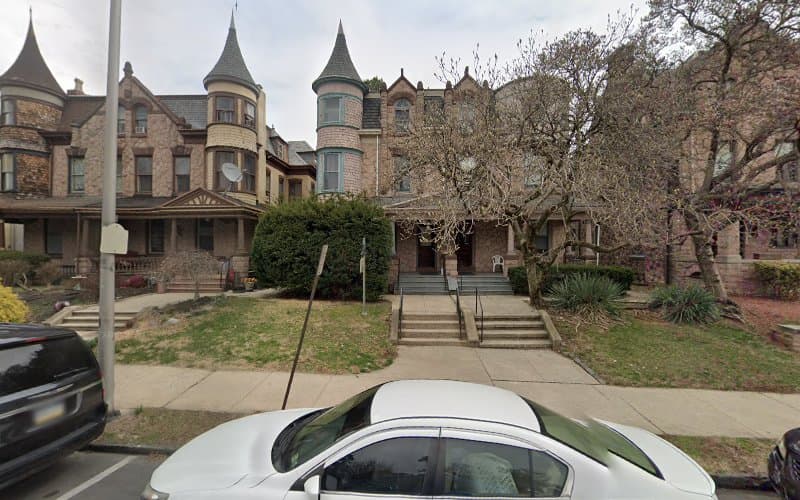
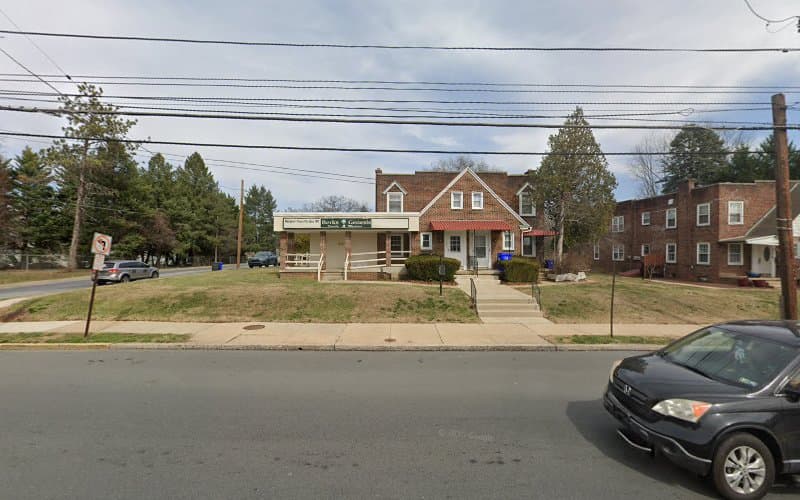
The office sits in the 19606 ZIP code on Reading's eastern side, an area that includes St. Lawrence, Exeter Township, and the neighborhoods stretching toward Birdsboro and Douglassville. Hearthstone Court is a small professional court off the corridor near Route 422 and Perkiomen Avenue, which makes the office reachable without navigating downtown Reading traffic. Suite 204 is located on an upper level of the building.
Practical access details include:
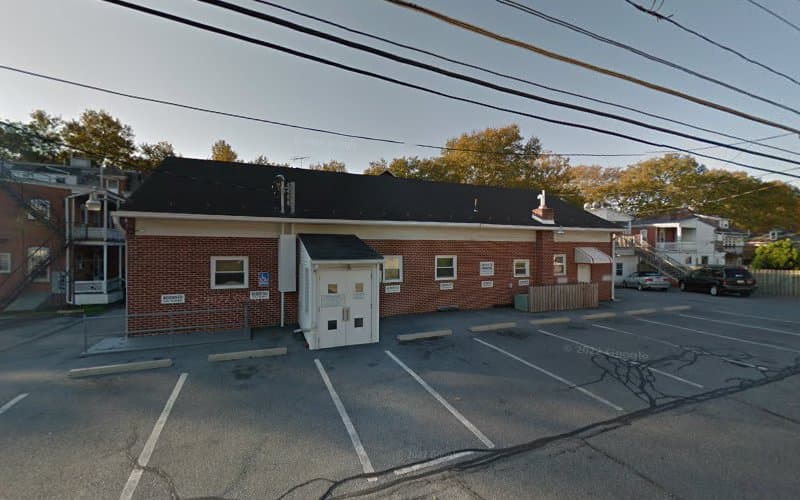
- A free parking lot on site, with designated wheelchair accessible parking
- A wheelchair accessible entrance
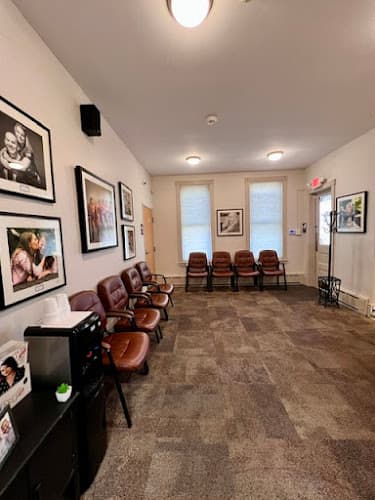
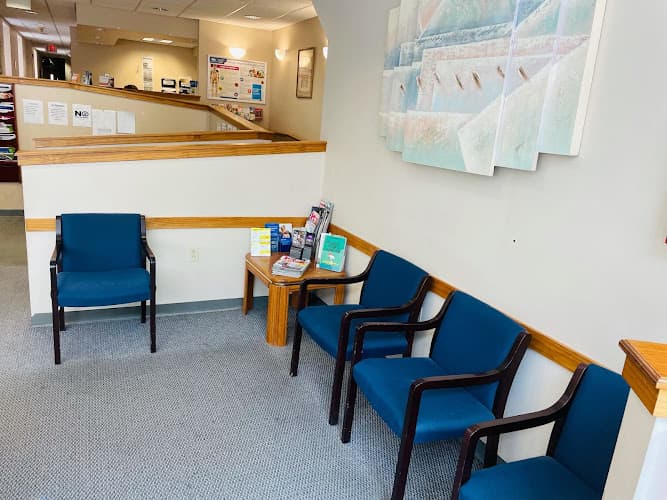
- Wheelchair accessible seating in the waiting and consultation areas
- A wheelchair accessible restroom
- In-store shopping for devices, batteries, and accessories
- Delivery available for certain items
Because hearing loss disproportionately affects older adults, and many clients arrive with mobility aids or with a family member driving them, the combination of surface parking directly outside and a step-free entry is a meaningful logistical consideration for the practice's patient population.
Hearing Evaluations
The starting point for most new clients is a hearing evaluation. A typical assessment at a practice of this kind includes a case history covering medical background, noise exposure, medications, tinnitus, and the specific listening situations where a person struggles; an otoscopic inspection of the ear canal and eardrum; pure-tone air and bone conduction testing to establish thresholds across the speech frequencies; and speech testing to measure word recognition ability. Results are plotted on an audiogram, which documents the degree and configuration of hearing loss in each ear and indicates whether the loss is sensorineural, conductive, or mixed.
The audiogram also determines what happens next. Some patterns of loss, along with findings such as sudden changes in hearing, asymmetry between ears, drainage, or pain, warrant referral to a physician or ENT rather than immediate amplification. In other cases the obstruction is simple cerumen, and clearing the canal restores hearing without any device at all. Precision Hearing Aid Center provides evaluations at no charge, a common practice among dispensing offices where testing is performed for the purpose of device selection.
Hearing Aids and Fitting
As an independent office, Precision Hearing Aid Center is not restricted to a single manufacturer's catalog. The practice works with major hearing aid brands, including Signia, whose devices pair with a smartphone application that allows both the wearer and the fitter to make adjustments. Current hearing aid technology spans several form factors:
- Receiver-in-canal and behind-the-ear styles, which suit a wide range of hearing losses and accommodate rechargeable batteries
- Custom in-the-ear and in-the-canal instruments made from ear impressions
- Completely-in-canal and invisible-in-canal models for those prioritizing discretion
- Devices with Bluetooth streaming for phone calls, television, and audio, plus remote microphone and TV streamer accessories
Fitting involves programming the instruments to the individual audiogram using manufacturer software, verifying comfort and physical fit, and counseling on insertion, cleaning, charging, and realistic expectations during the acclimatization period. Pennsylvania law provides a statutory cancellation window for hearing aid purchases, and this office additionally offers a trial period so that devices can be tested in real listening environments—work, restaurants, places of worship, and family gatherings—before a purchase is finalized. Pricing is presented without negotiation gamesmanship, and the practice will discuss options at different technology tiers rather than defaulting to the most expensive product.
Repairs, Adjustments, and Ongoing Care
A substantial share of the work at any hearing aid office involves devices already in use. Services in this category typically include reprogramming as hearing changes or as the wearer reports difficulty in particular environments, professional cleaning of receivers and microphone ports, replacement of wax guards, domes, tubing, and earmolds, battery and charger supply, in-office minor repairs, and coordination of manufacturer warranty repairs for devices that must be sent out. The office also handles cerumen removal when wax is interfering with a device or with hearing generally.
Notably, the practice services hearing aids purchased elsewhere in many circumstances, including instruments obtained from other dispensers or through insurance programs, subject to whether the device can be accessed with available programming software.
Appointments and Contact
Precision Hearing Aid Center operates by appointment, and scheduling in advance is required rather than optional. Appointments can be arranged by calling +1 610-779-3205. New clients are generally advised to bring a list of current medications, any previous audiograms, existing hearing aids and chargers, and information about hearing benefits available through their health plan, employer, union, or veterans benefits. Bringing a spouse, adult child, or friend to the first appointment is also useful, since a familiar voice helps during speech testing and a second listener helps retain the information discussed.
Service Area
The practice draws primarily from Berks County, including Reading, Exeter Township, Wyomissing, Shillington, Sinking Spring, Mount Penn, Birdsboro, Douglassville, Fleetwood, Kutztown, Boyertown, and the surrounding townships, with some clients traveling from Montgomery, Chester, and Lancaster counties for follow-up care on devices fitted at the office.