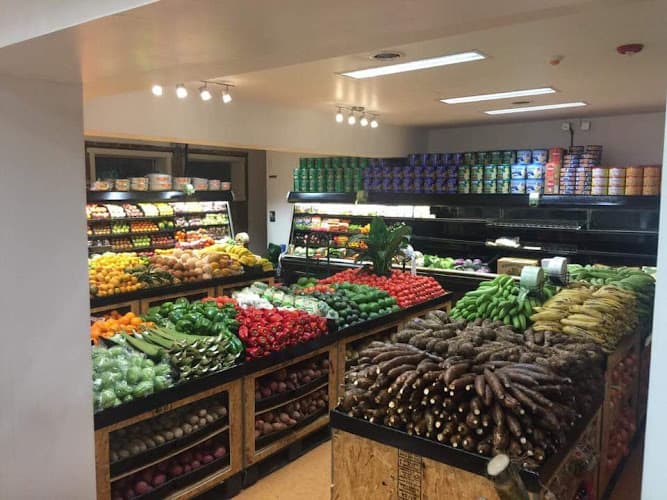
Scrimager Family Meats is a butcher shop located at 2934 N 5th Street Highway in Reading, Pennsylvania, serving customers throughout Berks County. The business operates as a traditional full service meat counter, where cuts are prepared on site rather than arriving pre packaged from a distribution center. Customers can reach the shop by phone at (610) 929-1874.
The shop occupies a stretch of Route 222 Business (North 5th Street Highway) that runs north out of Reading toward Muhlenberg Township and Temple, a corridor that mixes small retail, light industry and residential neighborhoods. That position places the shop within easy driving distance of Reading proper, Laureldale, Temple, Leesport and the surrounding townships, and makes it a practical stop for shoppers traveling between the city and the northern suburbs.
What the Shop Does
Scrimager Family Meats functions as a working butcher shop rather than a grocery store with a meat aisle. The core of the operation is the meat case, where beef, pork and poultry are cut, trimmed and portioned by staff who handle the product directly. This is the fundamental difference between a butcher shop and a supermarket: the person behind the counter can adjust a cut to a customer's specifications, explain how a particular piece of meat behaves under heat, and package it in the quantity a household actually needs.
Typical offerings at a shop of this kind include:
- Beef cuts ranging from everyday ground beef and chuck to steaks and roasts
- Pork in a range of forms, including shoulders, chops, ribs and roasts
- Poultry, both whole birds and portioned pieces
- House made and locally sourced processed meats, including sausage and Pennsylvania Dutch specialties
- A cheese case offering varieties beyond the standard supermarket assortment
- Family sized packs and larger quantities suitable for freezing
The cheese selection deserves particular mention as a point of difference. Many butcher shops limit themselves strictly to meat, so the presence of a curated cheese case gives customers a reason to combine errands and to experiment with pairings they might not otherwise encounter in a chain store.
Butchery and Preparation
One of the practical advantages of buying from a shop that does its own cutting is control over trimming. Excess fat, silver skin and uneven edges affect how a cut cooks, how evenly it renders and how much usable meat a buyer actually takes home. When a butcher trims to a consistent standard, the customer receives a piece of meat that behaves predictably on a grill, in a smoker or in an oven, which matters a great deal for long cook items like pork shoulder and brisket where a single mistake costs many hours.
Portion sizing is a related benefit. Supermarket meat departments generally stock a narrow band of package weights determined by what moves quickly off the shelf. A butcher counter can offer the same cut in a range of sizes, which matters to a customer cooking for two as much as it matters to someone feeding a crowd or filling a smoker. Being able to ask for a specific weight, thickness or number of pieces is the kind of service that disappears as retail consolidates, and it remains standard practice at independent shops like this one.
Regional Specialties
Reading and the surrounding Pennsylvania Dutch region have a deep tradition of pork butchery and preserved meats, and local butcher shops are the primary keepers of that tradition. Scrapple, a regional staple made from pork and cornmeal and sliced and fried until crisp, is one of the clearest examples. Versions made in small batches by local butchers are generally denser and more distinctly seasoned than mass produced alternatives, and they hold their structure better in the pan. Other regional items commonly found in Berks County butcher shops include ring bologna, smoked sausage, ham loaf, pudding meat and dried beef.
For customers who grew up in the area, these products are a matter of continuity. For newcomers, a local butcher shop is often the most direct introduction to what the region actually eats, presented by people who can explain how each item is traditionally cooked and served.
Who Shops Here
The customer base for a shop of this type tends to divide into several groups. Everyday household shoppers come in for the week's dinners and for better quality versions of the basics. Barbecue and smoking enthusiasts come specifically for large format cuts such as pork shoulder, ribs and brisket, where trimming quality and consistent sizing directly affect the outcome of a long cook. Home cooks planning holiday meals order roasts and hams in advance. Customers stocking a chest freezer buy in bulk, taking advantage of larger packages and the ability to have cuts portioned before freezing.
Because independent butcher counters serve all of these groups from the same case, the staff tends to develop a broad working knowledge of cooking methods. Asking questions is expected, and the answers are generally more specific than what a shopper would receive in a self serve aisle.
Visiting the Shop
The property offers a wheelchair accessible entrance and a wheelchair accessible parking lot, so customers using mobility devices can enter and shop without navigating steps or curbs at the entry. On site parking makes the shop convenient for customers picking up bulk orders or multiple packages.
A few practical notes apply to butcher shops generally and are worth keeping in mind:
- Calling ahead is useful for large orders, specialty cuts or holiday items, since these may require advance preparation or a special order
- Arriving earlier in the day usually means a fuller case and a wider choice of sizes
- Weekends and the days before major holidays are the busiest periods
- Asking for a specific trim, thickness or weight is normal and welcomed at a full service counter
- Items intended for the freezer can often be portioned and packaged accordingly at the time of purchase
Place in the Local Food Landscape
Independent butcher shops have become less common across the United States as grocery consolidation has absorbed much of the meat trade. The shops that remain tend to survive on a combination of product quality, personal service and repeat local business rather than on advertising or scale. Scrimager Family Meats fits that pattern, operating as a neighborhood counter where the transaction involves conversation and specification rather than simply selecting a tray from a refrigerated shelf.
For residents of Reading, Muhlenberg Township and the communities along the Route 222 corridor, the shop represents a straightforward alternative to supermarket meat buying: fresher handling, adjustable portioning, regional specialties that chain stores rarely stock, and staff who can answer questions about the product in front of them. Customers seeking specific cuts, planning a smoke or barbecue, preparing for a holiday meal or simply looking to buy better everyday meat will find a counter organized around those needs.